How to Cut Vinyl With a Cricut Cutter
by Alice Davis
Learning how to use and cut with a vinyl cutter like Cricut is simpler than most people expect. Load your vinyl, upload your design, set the blade, press cut — and the machine does the precision work for you. That's the core of it.
From custom decals and wall lettering to iron-on shirt graphics, vinyl cutters handle a wide range of projects with speed and accuracy. Whether you've just unboxed your first Cricut or you're upgrading from a craft knife and patience, this guide covers everything you need to cut cleanly and consistently. PalmGear's heat press and vinyl coverage goes deep on this topic, and this walkthrough gives you the complete picture — setup, technique, material selection, maintenance, and fixes for the problems you'll eventually run into.

According to Wikipedia's overview of vinyl cutters, these machines use a small carbide or steel blade mounted on a moving carriage to cut vector-based designs from sheets of vinyl film. That simple mechanism is behind everything from bumper stickers to professional signage.
Contents
Getting Started: Your First Cut — Step by Step
What You Need Before You Begin
Before you run a single cut, get everything on the table. You need the cutter itself, a compatible cutting mat, your vinyl sheets, a weeding tool, and — for adhesive vinyl projects — transfer tape. A decent pair of scissors and a burnishing tool (or even an old credit card) round out your basic kit.
Install the machine's design software before anything else. Cricut uses Design Space, which runs in a browser or as a desktop app. If you're comparing machines before committing, Cricut vs Silhouette breaks down which cutting machine suits your workflow — both have strong software ecosystems, but they work differently. Connect your cutter via USB or Bluetooth and follow the on-screen calibration steps the first time you set it up.
Loading Vinyl and Sending the Job
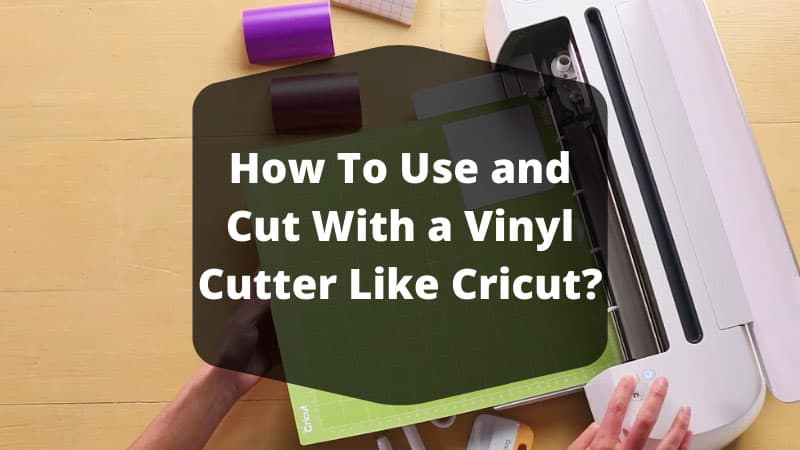
Place your vinyl sheet on the cutting mat with the colored (or coated) side facing up. Press it flat against the mat, starting from the center and working outward to eliminate air pockets. Align the mat to the guide marks on the machine and press the load button — the rollers grip the mat and pull it into position automatically.
In your design software, upload your artwork or build a design from scratch. SVG and PNG files with transparent backgrounds import cleanly. Set the material type from the dropdown — on modern Cricut machines, this adjusts blade pressure and cut speed automatically. For older machines or manual-pressure cutters, start with a blade depth of 2 for standard adhesive vinyl and increase from there in half-step increments.
Press the flashing cut button on the machine. Don't touch the mat while the blade is moving. When the job finishes, press unload, then flex the mat gently backward to release the vinyl without stretching or tearing your design.
Pro Tips for Cleaner, Sharper Cuts
Dialing In Blade Depth and Pressure
Blade depth is the single biggest factor in cut quality. Too shallow and you get incomplete cuts. Too deep and the blade scores the mat, wears it out fast, and can drag the vinyl during cutting. Start at the recommended setting for your material, then run a test cut on a scrap corner before committing the full sheet.
The ideal cut leaves the vinyl fully separated but leaves the backing paper untouched or barely kissed. You should be able to peel the vinyl cleanly with no resistance and see only a faint line on the liner. If you're cutting glitter vinyl, chrome, or specialty materials, bump the pressure up one increment and test again — these materials have thicker coatings that standard settings don't always penetrate cleanly.
Always run a 1-inch test square before cutting your full design. Ten seconds of testing saves an entire sheet of vinyl and a ruined project.
Making Weeding Faster and Easier
Weeding vinyl like a pro is about technique, not just tools. Use a weeding hook or fine-tip pick — not scissors or your fingernails. Grip the edge of the waste vinyl at a low angle and pull slowly. Quick pulls snap fine lines and lift the design with the waste.
Work under a bright light so you can see every cut line clearly. For intricate text or detailed logos, weed from the outside in. Remove large background pieces first, then pick out the small internal pieces (the counters inside letters like O, B, and D). Warming the vinyl slightly with a heat gun for five to ten seconds softens the adhesive and makes weeding noticeably easier on complex cuts.
Picking the Right Vinyl for Every Project
When Adhesive Vinyl Is the Right Call
Adhesive vinyl belongs on hard, smooth surfaces: mugs, tumblers, car windows, signs, laptop lids, and walls. It comes in permanent and removable grades. Permanent adhesive vinyl grips aggressively and holds up to water, UV exposure, and repeated washing — use it anywhere the design needs to last. Sealing vinyl on a mug with a clear coat adds even more protection and extends the life of your design significantly.
Removable adhesive vinyl is the right choice for temporary or repositionable applications. It peels off cleanly from most painted surfaces without leaving residue — ideal for seasonal decorations, event signage, or wall art you plan to swap out. Never use adhesive vinyl on fabric. It doesn't flex with the material and peels off after the first wash.
When HTV Is the Better Choice
Heat transfer vinyl (HTV) bonds to fabric using heat and pressure. You cut it mirrored, weed the design from the liner, position it on the garment, and press it with a heat press or iron. Layering HTV on a heat press opens up multi-color designs without a printer — each color is a separate cut that stacks on top of the previous layer.
HTV works on cotton, polyester, and most blended fabrics. Temperature and time settings vary by material. If you're pressing onto nylon, heat pressing nylon fabric requires lower temperatures and shorter press times to avoid melting or scorching the weave. Always test on a scrap of the same fabric before pressing a finished garment.
| Vinyl Type | Best For | Application Method | Cut Side | Lifespan |
|---|---|---|---|---|
| Permanent Adhesive Vinyl | Mugs, signs, car decals, outdoor surfaces | Peel and stick with transfer tape | Normal (not mirrored) | 5–7 years outdoors |
| Removable Adhesive Vinyl | Walls, windows, temporary labels | Peel and stick with transfer tape | Normal (not mirrored) | 1–2 years, removable |
| Standard HTV | Cotton and polyester garments | Heat press or iron | Mirrored | 50+ washes with proper care |
| Glitter HTV | T-shirts, bags, hats | Heat press (higher pressure) | Mirrored | 30–50 washes |
| Holographic / Chrome Vinyl | Decorative decals, signage | Peel and stick | Normal (not mirrored) | 3–5 years depending on exposure |
Advantages and Drawbacks of Vinyl Cutting
What Vinyl Cutters Do Really Well
Precision is the standout strength. A vinyl cutter reproduces intricate lettering, detailed logos, and complex silhouettes with consistent accuracy — every single time. You're not dependent on steady hands or years of manual craft experience. Once your design file is clean, the machine handles the execution.
The economics work in your favor too. A roll of quality adhesive vinyl costs a few dollars and yields dozens of projects. Startup costs are low compared to screen printing or sublimation printing setups. For small businesses producing custom decals, personalized gifts, or branded merchandise, the return on a mid-range cutter comes quickly. There are also no minimum order requirements — you can cut one piece or one hundred.
Where They Fall Short
Vinyl cutters are limited to solid-color vector shapes. Photographs, gradients, and detailed illustrations don't translate — every element must be a clean, distinct shape. Multi-color designs require separate cuts for each color layer, which adds time and demands precise alignment during application.
The machines also need ongoing attention. Blade wear affects cut quality gradually, and you often don't notice until you're mid-project. Cutting mats lose adhesion, calibration drifts, and software updates occasionally introduce bugs. If photographic image transfers are your primary goal, sublimation or DTF printing is a better-suited technology.
Keeping Your Machine in Peak Condition
Blade Care and Replacement
The blade is the heart of the machine. A worn blade drags instead of cutting — you'll see frayed edges, incomplete cuts, and vinyl lifting off the mat during the job. Replace it every three to six months under regular use, more frequently if you cut abrasive materials like glitter vinyl, cardstock, or leather regularly.
Keep the blade housing clean. Adhesive residue and small vinyl scraps accumulate inside the housing and cause the blade to stick or drag. Remove the housing every few weeks and clear debris with a soft brush or a short burst of compressed air. Don't use water or solvents inside the housing — these can damage the blade spring mechanism.
Mat and Vinyl Storage
Cutting mats lose their tack gradually. When vinyl slides during loading or doesn't lie flat, the mat is the likely culprit. Wash the mat gently with warm water and a soft cloth to remove debris and restore some adhesion. When that stops working, apply a light, even coat of repositionable spray adhesive and let it dry fully before use. Replace the mat entirely when the cutting surface shows deep score marks or grid wear.
Store unused vinyl rolls upright or flat in a cool, dry spot away from direct sunlight. UV exposure degrades both the adhesive backing on permanent vinyl and the heat-bond coating on HTV. Keep vinyl in its original packaging until you're ready to cut — even a few hours of sun exposure in a warm room can affect performance.
Fixing Common Cutting Problems
Vinyl Not Cutting All the Way Through
Start with the blade. Increase depth by one increment and run a test cut on scrap material. If that doesn't fix it, remove the blade housing and inspect the tip under good light — a chipped or dulled tip won't cut cleanly regardless of the pressure setting. Replace the blade and retest before adjusting anything else.
Also check that the vinyl is pressed flat against the mat with no lifted edges or bubbles. Vinyl that shifts mid-cut causes uneven pressure across the design. If the mat has lost significant tack, even a fresh blade won't compensate — replace the mat first, then re-evaluate your blade settings.
Design Tearing or Lifting During Weeding
Tearing during weeding almost always points to blade depth being too high, or design features that are too small to hold together. Reduce blade depth by half a step and recut. For designs with elements smaller than a quarter inch, consider simplifying — the cutter can make the cut, but weeding that scale cleanly is difficult even with the right tools.
If entire sections lift when you pull the waste vinyl, the cut lines are probably running too close together. In your design software, increase the spacing between elements by 1–2mm. This gives you a clean weeding path without adjacent pieces bonding or pulling each other up. For particularly delicate designs, try weeding immediately after cutting while the material is still at a stable temperature.
Frequently Asked Questions
What is the best vinyl cutter for a complete beginner?
The Cricut Explore series is the most beginner-friendly option on the market. It connects via Bluetooth, uses automatic material settings in Design Space, and handles the most common vinyl types without manual blade adjustment. The Cricut Maker is worth the upgrade if you plan to cut thicker materials like chipboard, fabric, or balsa wood down the line.
Can I use any brand of vinyl with a Cricut machine?
Yes. Cricut machines are not locked to Cricut-branded vinyl. Oracal, Siser, and StyleTech are popular third-party brands that cut cleanly on Cricut hardware. The key is to set the material type correctly in Design Space or dial in your blade manually when using non-Cricut presets.
How do I know if my blade depth is set correctly?
Run a test cut on a small square of your vinyl. After cutting, peel up the vinyl. The cut should go cleanly through the vinyl film without penetrating the backing paper more than faintly. If the paper tears or the liner separates, the blade is too deep. If the vinyl doesn't lift cleanly, increase the depth by one increment and test again.
What is the difference between adhesive vinyl and heat transfer vinyl?
Adhesive vinyl has a pressure-sensitive sticky backing and is applied to hard surfaces using transfer tape. Heat transfer vinyl (HTV) has a heat-activated adhesive and bonds to fabric when pressed with heat and pressure. They are not interchangeable — using adhesive vinyl on fabric or HTV on a mug will not produce a lasting result.
Can I cut vinyl without a cutting mat?
On most machines, no. The mat holds the vinyl flat and steady during the cut. Without it, the vinyl shifts and the blade produces ragged, incomplete cuts. Some roll-feed machines designed for sign-making use pinch rollers instead of a mat, but consumer craft cutters like Cricut are designed to work with mats. Use the correct mat type for your material — light-grip for standard vinyl, standard-grip for heavier materials.
How long does vinyl last on a surface?
Permanent adhesive vinyl lasts five to seven years outdoors under normal UV and weather exposure. Indoors, it can last significantly longer. HTV on fabric typically holds for fifty or more washes when applied at the correct temperature and pressure. Removable vinyl is designed for one to two years and will degrade faster in direct sunlight. Sealing adhesive vinyl on frequently washed items like mugs extends its life considerably.
Key Takeaways
- Knowing how to use and cut with a vinyl cutter like Cricut starts with correct blade depth — test on a scrap corner before every full cut.
- Match your vinyl type to your surface: adhesive vinyl for hard surfaces, HTV for fabric, and never swap the two.
- Replace your blade every three to six months and maintain your cutting mat to keep cut quality consistent over time.
- When cuts fail or designs tear during weeding, blade depth and mat adhesion are the first two things to check — fix those before adjusting anything else.


About Alice Davis
Alice Davis is a crafts educator and DIY enthusiast based in Long Beach, California. She spent six years teaching textile design and applied arts at a community college, where she introduced students to everything from basic sewing techniques to vinyl cutting machines and heat press printing as practical, production-ready tools. That classroom experience means she has put more sewing machines, embroidery setups, Cricut systems, and heat press units through real project work than most reviewers ever will. At PalmGear, she covers sewing machines and embroidery tools, vinyl cutters, heat press gear, Cricut accessories, and T-shirt printing guides.
You can get FREE Gifts. Or latest Free phones here.
Disable Ad block to reveal all the info. Once done, hit a button below