RV Gear ›
How to Test If Your RV Surge Protector Is Working
by Jake Mercer
Electrical surges cause an estimated $26 billion in property damage annually across the United States, and RV electrical systems rank among the most vulnerable setups on the road. For full-time travelers and weekend warriors alike, knowing how to test if your RV surge protector is working can be the difference between a smooth camping trip and a costly appliance repair bill. RV surge protectors sit between the campground's power pedestal and the coach's electrical system, absorbing dangerous voltage spikes before they reach sensitive equipment. Yet most RV owners plug them in and never verify the device is still functioning correctly, assuming silence means safety.
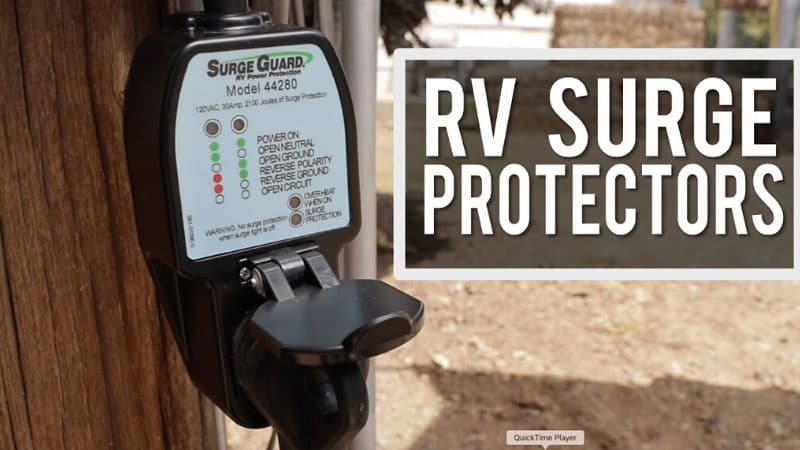
Whether the goal is protecting a rooftop air conditioner, a residential refrigerator, or a bank of sensitive electronics, these devices deserve regular attention and verification. For those also thinking about the broader RV electrical ecosystem, the guide on replacing an RV refrigerator with a standard unit offers useful context about managing power demands inside the coach. Understanding the surge protector's condition is just as important as any other piece of RV maintenance on the road.
Contents
- The Role of a Surge Protector in RV Electrical Safety
- Tools and Equipment for Accurate Testing
- How to Test If Your RV Surge Protector Is Working
- Real-World Failure Scenarios RV Owners Actually Face
- When Testing Becomes Non-Negotiable — And When It Can Wait
- Routine Maintenance That Extends Surge Protector Life
- Beginner Checks vs Advanced Electrical Diagnostics
- Frequently Asked Questions
- Final Thoughts
The Role of a Surge Protector in RV Electrical Safety
How Voltage Spikes Happen at Campgrounds
Campground electrical pedestals vary widely in quality, and older parks often run infrastructure that hasn't been upgraded in decades. Voltage irregularities occur for several well-documented reasons that RV owners should understand before plugging in at any new site:
- Faulty pedestal wiring — Poor connections or corroded contacts create resistance that causes voltage drops or brief but damaging spikes during load changes.
- Neighboring RV load changes — When a large air conditioner on an adjacent site cycles on or off, it creates voltage swings on the shared circuit that can reach sensitive appliances instantly.
- Lightning strikes in the area — Even a strike that lands a significant distance away can send a destructive pulse through the grid and into any connected RV.
- Generator switchover events — Some campgrounds use generators as backup power, and the transition moment can produce transient spikes that exceed safe voltage thresholds.
According to the Wikipedia entry on surge protectors, a transient voltage event can last as little as one microsecond while still carrying thousands of volts — more than enough to destroy unprotected electronics in an instant without any warning whatsoever.
Surge Protectors vs EMS Units
Understanding the distinction between a basic surge protector and an Electrical Management System (EMS) helps RV owners make informed decisions about their actual level of protection at any given campground:
- Basic surge protectors — Absorb voltage spikes using Metal Oxide Varistors (MOVs) but do not disconnect power during sustained high or low voltage events that persist longer than a spike.
- EMS units — Monitor voltage continuously and disconnect the RV from shore power whenever voltage falls outside a safe range, typically 102–132 volts for a standard 120V system.
- Portable vs hardwired — Portable units plug directly into the pedestal and can be used at any campsite; hardwired units mount inside the rig and offer tamper resistance but require professional installation.
Pro tip: MOV-based surge protectors wear out after absorbing large strikes — they do not always show visible damage, which is precisely why routine testing matters so much for continued protection.
Tools and Equipment for Accurate Testing
Basic Tools Every RV Owner Should Have
Testing an RV surge protector does not require a full electrician's toolkit, but having the right instruments on hand makes the process both accurate and safe. The essentials for any RV owner's kit include:
- A quality digital multimeter (DMM) with AC voltage measurement capability up to at least 200V
- A NEMA 5-15 outlet tester — the plug-in type with three indicator lights — for quick campground outlet checks
- A 30-amp or 50-amp RV outlet tester matching the coach's shore power plug type
- A clamp meter for reading current draw without needing to break the circuit open
- A notepad or phone notes app to log voltage readings across multiple trips and spot developing trends over time
Advanced Meters for Deeper Diagnostics
Those who want a more complete picture of their surge protector's condition can invest in additional equipment that provides considerably deeper insight into the electrical system's overall health:
| Tool | Primary Purpose | Skill Level | Approx. Cost |
|---|---|---|---|
| Digital Multimeter (DMM) | Measure input vs. output voltage across the protector | Beginner | $15–$60 |
| 30A / 50A Outlet Tester | Verify campground pedestal wiring before connecting | Beginner | $20–$45 |
| Clamp Meter | Measure amperage draw in real time without circuit interruption | Intermediate | $30–$80 |
| MOV / Surge Tester | Directly test varistor integrity inside the unit | Advanced | $50–$150 |
| Power Quality Analyzer | Log voltage, frequency, and harmonic data over extended periods | Advanced | $200–$600 |
How to Test If Your RV Surge Protector Is Working
There are several reliable methods for checking surge protector function, ranging from a quick visual inspection to a thorough multimeter test that delivers independent numerical confirmation. Walking through each approach gives RV owners a complete toolkit for any situation they might encounter at a campground.
The LED Indicator Method
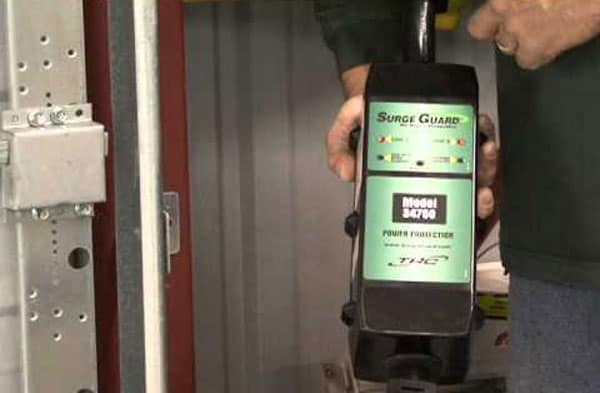
Most modern surge protectors include built-in LED indicators that communicate the unit's status at a glance, and reading them correctly is the fastest first step in any testing routine:
- Plug the surge protector into the campground pedestal outlet as normal before connecting the RV.
- Observe the LED panel — most units use a green light to indicate "protected" status and a red or amber light to signal an active fault condition.
- If the "protected" LED is lit and no fault indicators are active, the unit is passing power and reporting normal protection status through its self-diagnostic system.
- If no lights appear at all despite the pedestal being switched on, use a separate outlet tester to confirm pedestal power first — the issue may be entirely upstream of the surge protector.
- If a fault LED is active, consult the unit's manual for specific codes — common faults include open ground, reversed polarity, and open neutral at the pedestal wiring.
It is important to note that LED indicators only reflect the unit's own self-reported status, while a multimeter test provides fully independent verification that goes well beyond what indicator lights alone can reliably confirm.
Using a Multimeter for Verification
A multimeter test provides a direct measurement of whether the surge protector is actually passing and conditioning voltage correctly, without relying on the unit's own internal reporting system:
- Set the multimeter to AC voltage measurement, selecting a range above 150V for a 120V system or above 250V for a 240V system to ensure accurate readings.
- Measure voltage at the campground pedestal outlet before connecting the surge protector, and record the reading carefully for later comparison.
- Connect the surge protector to the pedestal, then place the multimeter probes into the protector's output outlet to take an output reading.
- Compare the two readings — a healthy surge protector should show output voltage within 1–2 volts of the input under normal, non-surge conditions with a connected load.
- If output voltage reads significantly lower than input or reads zero while the input is confirmed live, the surge protector's internal fusing or MOV components have likely failed and the unit needs replacement.
Warning: Never probe a live 30A or 50A outlet with standard multimeter leads — use only purpose-built RV outlet testers or leads rated for the amperage being measured to avoid a serious shock hazard at the pedestal.
Real-World Failure Scenarios RV Owners Actually Face
Campground Wiring Issues That Expose Surge Protectors
The campground environment creates conditions that push surge protectors to their limits on a regular basis, and recognizing common problem patterns helps owners understand why their device may be displaying fault codes at certain sites:
- Open ground — One of the most common pedestal faults; a quality surge protector will detect and report this condition rather than silently allow the RV to operate on an ungrounded circuit.
- Reverse polarity — Hot and neutral wires swapped at the pedestal; dangerous for unprotected rigs but detectable immediately by a good surge protector's LED fault panel.
- Low voltage (brownout) — Sustained voltage below 104V can damage the compressor motors in rooftop air conditioners; an EMS-equipped unit disconnects automatically before damage occurs.
- High voltage (overvoltage) — Voltages above 132V can destroy sensitive electronics in seconds; only an EMS unit provides the critical automatic disconnect that a basic surge protector cannot.
For those who want to take additional steps to protect their investment at the pedestal itself, the guide on securing an RV surge protector from thieves covers cable locks and enclosure solutions that keep the device safely in place between campground connections.
What a Failed Surge Protector Actually Looks Like
A surge protector that has absorbed a significant strike often gives physical and functional signs that are straightforward to recognize with a careful inspection:
- A burning or acrid plastic smell emanating from the unit after a storm or a known power event at the campground
- Visible discoloration, melting, or scorch marks on the housing — particularly concentrated near the prong connections
- The "protected" LED no longer illuminates even when the pedestal is confirmed live with a separate outlet tester
- RV appliances receive power normally but the surge protection indicator shows a fault or remains completely dark during operation
- A multimeter test showing that output voltage exactly matches input voltage while the unit's protection indicator is dark — a sign that silent bypass has occurred after MOV failure
When Testing Becomes Non-Negotiable — And When It Can Wait
Situations That Demand Immediate Testing
Certain events should trigger a full surge protector inspection before the RV is connected to shore power again, and bypassing this step carries real and measurable financial risk:
- After any lightning storm, particularly when the unit was plugged into the campground pedestal during the event
- After arriving at a new campground for the first time — especially at older, rural, or privately operated parks with aging electrical infrastructure
- After the RV has been in storage for an extended period, especially if the surge protector was stored separately from the coach
- When any appliance inside the RV fails unexpectedly — a failed appliance may indicate the protector already failed silently before the damage occurred
- When the surge protector is two or more years old and has never been formally tested with a multimeter or outlet tester beyond its own LEDs
When a Visual Check Is Sufficient
Not every connection demands a full multimeter session, and a rapid visual check covers routine situations adequately without consuming significant time at the campsite:
- Returning to a familiar, trusted campground where the pedestal wiring has been verified correctly on multiple previous visits
- Short overnight stays at established, modern campgrounds with newer electrical infrastructure and a well-maintained service record
- Plugging in at a private residential property with known-good household wiring and a modern circuit breaker panel
Even in low-risk situations, checking the LED indicator panel takes only a few seconds and provides a meaningful baseline level of confidence before leaving the RV unattended for extended periods during a stay.
Routine Maintenance That Extends Surge Protector Life
Cleaning and Storage Best Practices
Physical maintenance of the surge protector often gets overlooked during trip planning, but the device performs more reliably and lasts considerably longer when given basic care between outings:
- Wipe the housing and prongs with a dry cloth after each use — road grime and moisture accelerate contact corrosion that degrades the electrical connection over time.
- Inspect the prongs for pitting, discoloration, or bent contacts before each plug-in session, since damaged prongs create resistance and heat at the connection point during operation.
- Store the unit in a padded bag or a hard case rather than loose in a storage bay where it can be scratched or impacted by other tools and gear.
- Avoid coiling the cord tightly around units that have an attached power cord, as repeated tight coiling can stress and eventually damage the internal wiring near the strain relief point.
- Keep the unit dry during transit — many RV storage bays are not fully sealed and can accumulate moisture during rain that compromises internal components over time.
RV owners who also manage other connected accessories and coach systems may find it useful to review the guide on pointing an RV TV antenna for better signal quality, since consistent power delivery — the kind a functioning surge protector helps ensure — directly affects the performance of every powered system in the rig.
Setting a Testing Schedule
Consistency is the most effective protective approach available, and a simple written schedule removes the guesswork from surge protector maintenance across the entire travel season:
- Before each trip — Quick visual inspection of the housing, prong contacts, and indicator LEDs to catch any obvious physical deterioration before departure.
- At each new campground — Use a dedicated 30A or 50A outlet tester on the pedestal before connecting the surge protector to the RV's shore power cord.
- Monthly during active use — Run a full multimeter test comparing pedestal input voltage to the surge protector's output voltage with a load applied.
- Annually — Research the unit's rated joule capacity and assess the cumulative severity of any known surge events encountered throughout the season to determine whether replacement is prudent.
- After any significant electrical event — Full physical inspection plus a multimeter test; consider immediate replacement if the event involved a direct lightning strike or an extended overvoltage condition.
Beginner Checks vs Advanced Electrical Diagnostics
What Beginners Can Handle on Their Own
The encouraging reality is that the most important testing steps are accessible to anyone who is comfortable plugging in appliances and reading a basic digital display without any formal electrical training. Beginner-friendly checks that cover the vast majority of real-world situations include:
- Reading the surge protector's LED indicator panel and correctly interpreting the difference between green protection status and active fault lighting
- Using a plug-in outlet tester on the campground pedestal to confirm correct wiring polarity and grounding before connecting the RV
- Performing a basic multimeter AC voltage comparison — the meter displays voltage in plain numbers, and comparing two readings requires no electrical background beyond following a simple procedure
- Visually inspecting the unit for physical damage, discoloration, burn marks, or unusual odors after any known power event at the campground
These four steps handle the vast majority of real-world testing scenarios that RV owners will ever encounter, and most users will never need to go further than a solid multimeter check combined with a thorough visual inspection of the unit's exterior and contacts.
When to Call in a Professional
Some situations fall outside what basic testing tools can resolve, and recognizing those moments clearly saves significant time and prevents potentially serious electrical mishaps inside the coach:
- Hardwired EMS units that require removal from the electrical panel for component-level inspection or internal fuse replacement by a qualified technician
- Repeated fault codes that persist even after the campground pedestal wiring has been confirmed correct — the source of the fault may lie within the RV's own wiring harness or breaker panel
- Suspected internal wiring problems inside the coach that the surge protector alone cannot diagnose or address regardless of its condition
- Any situation where physical disassembly of the surge protector is being considered — these units are not designed to be field-repaired and should be replaced outright when internal damage is suspected
A licensed RV electrician or a certified technician at a dedicated RV service center can perform a full panel inspection and current-flow analysis that goes considerably further than what portable handheld test equipment can reveal on its own during a campsite inspection.
Frequently Asked Questions
How often should an RV surge protector be tested?
Most RV technicians recommend a quick LED check at every campground connection and a full multimeter test at least once per month during active travel season. After any known electrical event — such as a nearby lightning strike or a noticeable campground power fluctuation — a full inspection should be completed before the next shore power connection is made.
Can a surge protector fail silently without any visible signs?
Yes, and this is one of the most critical things to understand about MOV-based surge protectors. Once the internal varistors have absorbed their full rated joule capacity, the unit will continue to pass power completely normally but will offer zero surge protection going forward. Only an independent multimeter test or a dedicated MOV tester can confirm whether meaningful protection is still active inside the unit.
What does it mean when all the LEDs on a surge protector go dark?
Dark LEDs while the unit is connected to a confirmed live pedestal typically indicate that an internal fuse has blown, that the MOV components have failed completely, or that the pedestal itself is not actually delivering power despite appearing to be switched on. Using a separate outlet tester on the pedestal first helps isolate whether the fault is in the pedestal connection or inside the surge protector itself.
Is a surge protector the same as an EMS unit for an RV?
No — a basic surge protector absorbs voltage spikes using MOV components but does not disconnect power during sustained high or low voltage conditions that last beyond a brief transient. An Electrical Management System actively monitors incoming voltage in real time and cuts power to the RV when voltage falls outside a predetermined safe operating range, providing considerably broader protection against campground wiring deficiencies.
How long does an RV surge protector typically last before needing replacement?
Most quality portable surge protectors are rated for roughly two to three years of regular use, though actual lifespan depends heavily on the number and severity of surge events the unit has absorbed during that period. Units used at campgrounds with frequent electrical instability may consume their rated joule capacity far faster than those used exclusively at modern, well-maintained parks with stable power infrastructure.
Can the surge protector itself cause damage to the RV's electrical system?
A correctly functioning surge protector should not cause any damage to the RV's electrical system under normal operating conditions. However, a unit with a failed internal component, a compromised ground connection, or a shorted MOV could theoretically introduce a fault into the circuit rather than preventing one. Regular testing is the most reliable way to confirm the unit is operating correctly rather than silently contributing to a problem.
What voltage range is considered normal at an RV campground pedestal?
A healthy 120V RV shore power connection should consistently deliver voltage in the range of 108 to 126 volts, with 120 volts representing the ideal target reading. Sustained readings below 104 volts or above 132 volts indicate a campground wiring problem that warrants immediate disconnection and a report to the park management office before any RV systems are operated from that pedestal.
Final Thoughts
Regular testing is the most straightforward way to confirm that an RV surge protector is genuinely doing its job, and the process requires nothing more than a multimeter and a few focused minutes of attention before each shore power hookup. RV owners who explore the full range of available RV gear and accessories will find that a reliable, routinely tested surge protector stands as one of the most cost-effective investments in the entire coach's electrical health. Taking the time to verify the unit's condition now is considerably less expensive than replacing a damaged air conditioner, refrigerator, or inverter after a preventable surge event far from home — so make testing a standard part of every trip's arrival routine.


About Jake Mercer
Jake Mercer spent twelve years behind the wheel as a long-haul trucker, covering routes across the continental United States and logging well over a million miles. That career gave him an unusually thorough education in CB radio equipment — he has tested base station antennas, magnetic mounts, coax cables, and handheld units in real-world conditions where reliable communication actually matters. After leaving trucking, Jake transitioned to full-time RV travel and has since put hundreds of RV accessories through their paces across national parks, boondocking sites, and full-hookup campgrounds from Montana to Florida. At PalmGear, he covers RV gear and accessories, CB radios, shortwave receivers, and handheld radio equipment.
You can get FREE Gifts. Or latest Free phones here.
Disable Ad block to reveal all the info. Once done, hit a button below