How to Connect a Vinyl Cutter to a Computer
by Alice Davis
A crafter sat down with a brand-new vinyl cutter still in the box, ready to cut custom decals for a small side business. The USB cable went in, the power button lit up — and the computer showed nothing. No device detected, no driver prompt, no error message. That experience is far more common than most tutorials admit. Knowing how to connect vinyl cutter to a computer the right way eliminates that guesswork from the start. This guide covers every connection method, the software involved, real-world applications, and the fixes that matter when things go sideways. The heat press and vinyl category covers the broader craft workflow for anyone exploring this further.

Contents
How to Connect Vinyl Cutter to a Computer: The Full Process
Most vinyl cutters ship with a USB cable. The process looks simple on paper — plug in the cable, install a driver (software that lets the computer recognize the machine), install cutting software, and send a design. In practice, skipping any single step creates a frustrating loop of silent errors. Understanding the sequence matters more than any individual step.
USB Connection, Step by Step
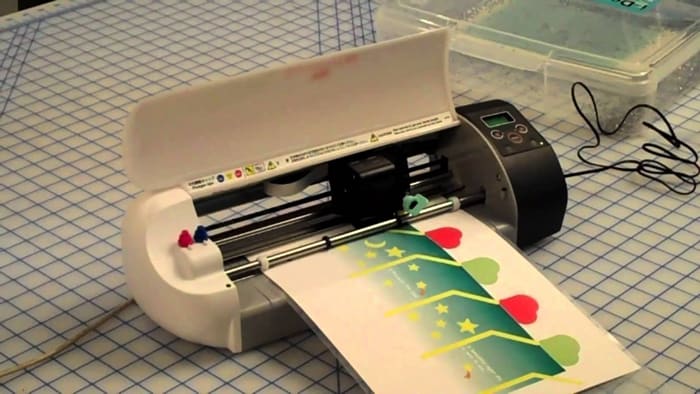
The standard process for USB-connected cutters starts before the cable is even plugged in. Power off the cutter first. Then plug the USB-B end (the square-shaped connector) into the machine, and the USB-A end into the computer. Power on the cutter. Windows or macOS will attempt to detect the device. At this point, the driver must already be installed — either from the disc that ships with the machine or downloaded directly from the manufacturer's website. Without the driver, the operating system sees only an unknown device, and the cutting software cannot communicate at all.
Once the driver installs successfully, open the cutting software — such as Graphtec Studio, Sure Cuts A Lot, or SignMaster. Navigate to machine settings and select the correct cutter model and COM port (the communication channel the computer assigned to the device). A test cut, usually a small square or circle, confirms everything is talking correctly before any real material goes in.
Serial Ports and Wireless Alternatives
Older vinyl cutters use a serial port (RS-232) rather than USB. Modern laptops rarely include serial ports, so these machines require a USB-to-serial adapter. Adapters are inexpensive but do require their own separate driver installation. The COM port assignment matters here — if the cutting software is set to COM3 but the adapter shows up as COM5 in Device Manager, the connection fails without any useful error message.
Some newer machines offer Bluetooth or Wi-Fi. These wireless methods reduce cable clutter, but they introduce one more point of failure: connection drops during a cut. For any production environment where reliability matters, a wired USB connection is the right choice. Wireless is convenient. Wired is dependable. There is no debate.
Always install the driver before connecting the USB cable for the first time. Plugging in the cable first causes Windows to assign a generic driver that often cannot be cleanly replaced without a full uninstall and reboot.
Beginner Setup vs. Professional Configuration
The Minimal Setup for First-Timers
A beginner needs three things: the machine, the USB cable, and the bundled software. Entry-level cutters like the Cricut Explore or Silhouette Cameo ship with their own design applications — Cricut Design Space and Silhouette Studio, respectively. These apps handle driver detection automatically in most cases. The user creates or imports a design, clicks "Send," and the machine cuts. The learning curve is minimal by design, and that is deliberate.
Heat transfer vinyl projects, like those covered in the guide on applying heat transfer vinyl with an iron, pair naturally with these beginner setups. The cutter handles the precision; the iron handles the press. Most first-time users are cutting shirts or decals within an hour of unboxing.
What Experienced Users Do Differently
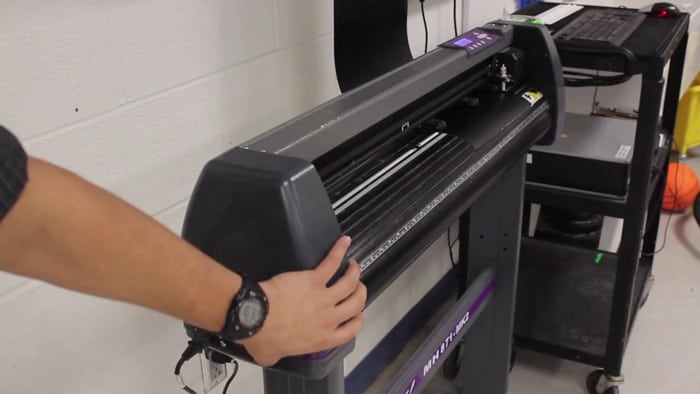
Professional setups look quite different. Experienced users typically run dedicated cutting software like FlexiSIGN, CorelDraw with a vinyl plugin, or Adobe Illustrator with SignTools. These programs allow precise control over blade offset (how far the blade overcuts at corners to prevent tearing), overcut settings, and speed-pressure profiles tuned to specific vinyl types. They also support cutting directly from vector files — SVG, EPS, and AI formats — without re-importing or converting.
Advanced users maintain separate driver profiles for different materials: thin calendered vinyl (for short-term decals) versus cast vinyl (for wraps and outdoor use). Switching profiles takes seconds. It prevents the trial-and-error of adjusting pressure settings by hand every single time the material changes.
| Setup Level | Typical Software | Connection Method | Driver Handling |
|---|---|---|---|
| Beginner (Cricut, Cameo) | Design Space / Silhouette Studio | USB (auto-detected) | Automatic via app |
| Intermediate | Sure Cuts A Lot, SignMaster | USB with COM port selection | Manual driver install |
| Professional | FlexiSIGN, CorelDRAW + plugins | USB or serial adapter | Manual + profile management |
| Production Shop | SCAL Pro, Graphtec Studio Pro | USB or network | IT-managed, centralized |
What Vinyl Cutters Are Actually Used For
Software Options by Machine Brand
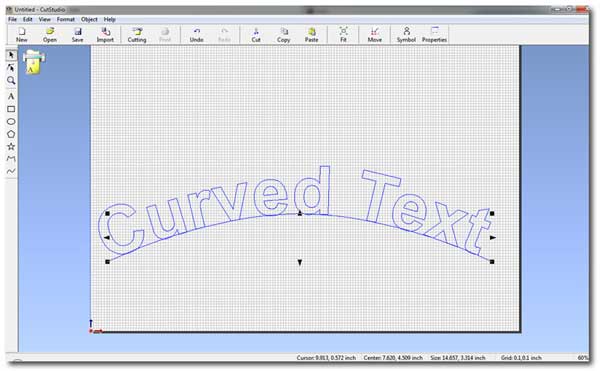
The machine brand largely determines software options. Cricut machines work exclusively with Cricut Design Space — a cloud-based application with no full offline mode. Silhouette machines default to Silhouette Studio but also accept third-party software like Sure Cuts A Lot. Graphtec, Roland, and USCutter machines are more open and compatible with a wider range of professional applications, which is a meaningful advantage for anyone running a business.
For anyone running a custom apparel or decal operation, understanding the financial side matters. The guide on how much profit a t-shirt business makes in a year puts the cost of professional software into real context. Spending $300 on cutting software is reasonable when the machine runs daily. It is poor value when the cutter sits idle most of the week.
According to Wikipedia's overview of vinyl cutters, these machines operate by moving a blade mounted on a carriage across the material, guided entirely by digital instructions sent from the connected computer. The precision of every cut depends on the quality of that computer-to-machine communication link.
File Formats and Design Sources
Vinyl cutters work with vector files — SVG, EPS, DXF, and AI formats. Raster images (JPG, PNG) must be converted through a process called tracing, which converts pixel-based images into cuttable vector lines. Most cutting software includes an auto-trace function, but complex photographs rarely trace cleanly. High-contrast artwork with clear edges always produces better results.
For heat transfer vinyl, designs must also be mirrored (flipped horizontally) before cutting. Forgetting this step means letters and graphics read backwards after pressing onto fabric. The software handles mirroring automatically when the correct media type is selected, but manually checking the preview before sending the cut job is a habit worth building early. Anyone exploring embroidered designs alongside vinyl work will find the design conversion concepts familiar — the guide on how to applique with an embroidery machine covers that side of the craft in depth.
Building a Reliable Cutting Workflow

Organizing Files and Designs
The biggest long-term mistake is poor file organization. Users who save designs with names like "final_USE_THIS_v3.svg" spend more time searching than cutting. A clean folder structure — organized by client, project type, or material — eliminates that friction. Backing up design files to a cloud drive adds minimal effort and protects against hard drive failures that would otherwise require recreating dozens of designs from scratch.
Keeping the finished product in mind from the design stage pays off. The post on how to retain graphics on t-shirts covers the downstream end of that process — after the cut, after the press, and into long-term wear and washing. A design that survives 50 wash cycles is worth more than one that looks perfect on day one.
Keeping Drivers and Software Current
Driver updates fix known communication bugs. Software updates add support for newer vinyl types and improve cut quality algorithms. The recommendation is to update both immediately after any operating system update — not weeks later. OS updates frequently break driver compatibility without warning. A cutter that worked perfectly Monday may fail Tuesday morning after an automatic Windows update overnight.
Maintaining a simple text file that records the current driver version, COM port assignment, and software version takes five minutes to set up and saves hours of troubleshooting later. When something breaks after an update, having a baseline record makes it immediately clear what changed.
Never run an operating system update the night before a large production job. OS updates can silently break driver compatibility — always run a test cut after any system update before committing real material to the machine.
When Things Go Wrong: Common Connection Problems
Driver Installation Failures
The most common issue is a driver that fails to install correctly. On Windows, Device Manager (accessed by right-clicking the Start button) shows the cutter as either an unknown device with a yellow warning icon, or not at all. The fix in most cases: uninstall any partial driver entry in Device Manager, disconnect the USB cable, reboot the computer, then reinstall the driver from the manufacturer's site before reconnecting. Attempting to force-install over a partial installation almost never works.
On macOS, driver conflicts are less frequent but still happen — particularly after major macOS version upgrades. Checking the manufacturer's site for a macOS-specific driver version is always the first step. Most manufacturers lag several months behind new macOS releases. Running an unsupported driver version on a new OS build causes unpredictable behavior.
Software Not Detecting the Cutter
Even with the driver installed correctly, cutting software sometimes cannot find the machine. The usual cause is an incorrect COM port selection inside the software settings. Opening Device Manager and identifying the exact COM port number assigned to the cutter — then matching it in the software — resolves this in the majority of cases. COM port numbers sometimes change after rebooting, especially with USB hubs. Plugging directly into the computer's built-in USB port rather than through a hub solves this more reliably than any setting adjustment.
If the software still fails to detect the cutter after confirming the correct COM port, restarting both the computer and the cutter — computer first — resolves most remaining cases. On some older cutter models, the cutting software must be fully loaded before the machine powers on for the initial handshake (the opening communication exchange between two devices) to complete successfully.
Keeping the Setup Running Smoothly
Cable and Port Care
USB cables fail more often than most users expect. The cable that ships with a vinyl cutter is adequate but rarely durable for heavy daily use. Replacing it with a high-quality braided USB cable eliminates a surprising number of intermittent connection failures. Ports wear out too — after years of plugging and unplugging, USB connectors on both the cutter and the computer develop loose contacts. A gentle side-to-side wiggle of the cable while the machine is powered on reveals whether the connection is intermittent rather than solid.
Dust accumulation inside USB ports causes contact failures that look exactly like driver problems. A short burst of compressed air clears debris without damaging the connector. The same maintenance discipline that applies to keeping precision tools clean — such as the routine described in the guide on cleaning a sewing machine — applies here. Regular physical upkeep prevents the majority of connection problems before they start.
Periodic Software Checks
Running a test cut at the start of each work session is the fastest quality check available. It takes under a minute. It confirms blade pressure, cutting speed, and computer-to-machine communication are all working before any real material enters the machine. Skipping the test cut to save time is exactly how expensive vinyl ends up wasted mid-job on a failed cut that could have been caught in thirty seconds.
Checking for software and driver updates once a month — rather than waiting for something to break — keeps the entire system stable. Setting a recurring calendar reminder on the first of each month costs nothing and replaces hours of reactive troubleshooting with a brief, routine check. A vinyl cutter that cuts reliably every session is one that gets maintained proactively, not reactively.
Frequently Asked Questions
What cable does a vinyl cutter use to connect to a computer?
Most modern vinyl cutters use a standard USB-B to USB-A cable — the same square-connector type used by many desktop printers. Older machines use RS-232 serial cables, which require a separate USB-to-serial adapter on any computer without a built-in serial port.
Does a vinyl cutter need special software to work with a computer?
Yes. A driver is required so the computer can recognize the machine, and cutting software is required to send design instructions. Consumer machines like Cricut and Silhouette bundle their own dedicated software. Professional-grade cutters from Graphtec and Roland work with a wider range of third-party applications.
Why does the computer not recognize the vinyl cutter after plugging it in?
The most common cause is a missing or incorrectly installed driver. The driver should be installed from the manufacturer's site before the USB cable is first connected. If the cable was connected before driver installation, uninstall any partial driver entry in Device Manager, disconnect the cable, reboot, and reinstall the driver before reconnecting.
Can a vinyl cutter connect to a computer wirelessly?
Some newer cutter models support Bluetooth or Wi-Fi. However, wired USB connections are significantly more reliable for any production use. A wireless connection that drops mid-cut wastes material and can cause the blade to drag across the vinyl without instructions, potentially damaging the blade or the cutting mat.
What is a COM port and why does it matter for vinyl cutting?
A COM port (communication port) is the specific channel Windows uses to communicate with a connected device. The cutting software must be configured to use the exact same COM port number that Device Manager assigned to the cutter. A mismatch means the software cannot locate the machine even if the driver installed without errors.
Next Steps
- Download the correct driver for the specific vinyl cutter model from the manufacturer's official website — before connecting the USB cable for the first time.
- Install the cutting software, open machine settings, and confirm the COM port number inside the software matches exactly what Device Manager shows for the connected cutter.
- Run a test cut on a small piece of scrap vinyl to verify blade pressure, cutting speed, and computer-to-machine communication before starting any real project or production run.
- Create a simple, clearly named folder structure for all design files and back them up to a cloud drive — start this habit now, before the design library grows too large to organize.
- Set a recurring monthly reminder to check for driver and software updates, and always run a test cut immediately after any operating system update to confirm the connection is still stable.


About Alice Davis
Alice Davis is a crafts educator and DIY enthusiast based in Long Beach, California. She spent six years teaching textile design and applied arts at a community college, where she introduced students to everything from basic sewing techniques to vinyl cutting machines and heat press printing as practical, production-ready tools. That classroom experience means she has put more sewing machines, embroidery setups, Cricut systems, and heat press units through real project work than most reviewers ever will. At PalmGear, she covers sewing machines and embroidery tools, vinyl cutters, heat press gear, Cricut accessories, and T-shirt printing guides.
You can get FREE Gifts. Or latest Free phones here.
Disable Ad block to reveal all the info. Once done, hit a button below