Why is Sportswear Made of Polyester?
by Alice Davis
Polyester makes up over 52 percent of all fiber produced globally each year, making it the world's most-used textile material. If you have ever wondered why is sportswear made of polyester, the answer lies in its unique physical properties. No other affordable fiber manages sweat, holds its shape, and survives hundreds of washes quite the same way. This guide breaks down the science behind polyester's dominance in athletic wear and helps you shop smarter. If you customize gear at home, our heat press and vinyl resources cover the tools that pair best with polyester fabrics.
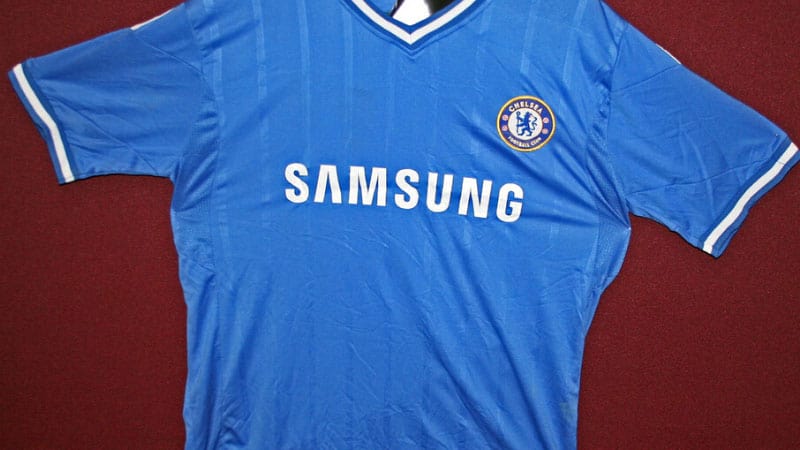
Polyester is a synthetic fiber (a man-made material derived from petroleum-based chemicals). It was first patented in the 1940s and hit mainstream fashion by the 1970s. Its reputation took a hit back then — people associated it with stiff, sweaty disco suits. But modern polyester is a different material entirely. Today's versions are engineered at the fiber level for specific athletic functions.
You'll find polyester in running shirts, cycling gear, yoga pants, team jerseys, and swimwear. Its versatility is unmatched. According to Wikipedia's overview of polyester, the fiber's resistance to shrinking, stretching, and wrinkling makes it ideal for high-performance garments. Understanding why matters if you want to buy better gear and take care of it properly.
Contents
Polyester Sportswear: Basics vs. Advanced Considerations
Not all polyester is the same. If you are new to athletic wear shopping, knowing the basics saves you from bad purchases. If you are more experienced, understanding fiber engineering helps you target performance features that actually matter for your activity level.
How Polyester Is Made
Polyester starts as a petroleum-based compound called PET (polyethylene terephthalate — a plastic polymer). Manufacturers melt this compound and push it through tiny holes to form long, thin strands. Those strands are spun into yarn and woven or knitted into fabric.
The process gives manufacturers precise control over the final product. They can change fiber thickness, texture, and internal structure. That's why there are dozens of different "types" of polyester — all made by the same basic process but engineered for different outcomes.
- Microfiber polyester — Ultra-thin fibers that feel soft against skin; often used in base layers and compression shorts
- Recycled polyester (rPET) — Made from recycled plastic bottles; same performance profile with a lower environmental footprint
- Knitted polyester — Has stretch and recovery; used in compression gear and yoga wear
- Woven polyester — Stiffer and more structured; used in jackets and outerwear shells
As a beginner, focus on fit and moisture-wicking labels. As a more advanced buyer, look at GSM (grams per square meter — a measure of fabric weight and density) and fiber composition percentages on the care tag. Higher GSM means a heavier, more durable fabric. Lower GSM means lighter and more breathable.
Polyester vs. Cotton vs. Nylon: A Quick Comparison
Knowing how polyester stacks up against common alternatives helps you pick the right fabric for the right activity. Here is a direct side-by-side comparison:
| Property | Polyester | Cotton | Nylon |
|---|---|---|---|
| Moisture wicking | Excellent | Poor | Good |
| Drying speed | Fast | Slow | Very fast |
| Durability | High | Medium | Very high |
| Stretch and recovery | Moderate | Low | High |
| Cost | Low | Low to medium | Medium to high |
| Odor retention | Higher risk | Lower risk | Moderate |
| UV protection | Good | Fair | Good |
| Heat sensitivity | Melts at high heat | Tolerates heat well | Melts at high heat |
Cotton absorbs moisture rather than moving it away from your skin. A soaked cotton shirt stays wet and heavy during exercise. Nylon performs similarly to polyester but costs significantly more. For most athletes on a budget, polyester delivers the best performance-to-price ratio available.
Why Is Sportswear Made of Polyester? The Key Benefits
The question of why is sportswear made of polyester has a direct answer: polyester solves the specific problems athletes face during exercise. It manages moisture. It holds its shape under stress. It survives repeated machine washing without falling apart. Here is a closer look at the two most critical performance advantages.
Moisture Wicking and Breathability
Polyester does not absorb water the way cotton does. Instead, moisture travels through the fabric to the outer surface, where it evaporates. This process is called moisture wicking. It keeps your skin drier and your body temperature more stable during intense activity.
Manufacturers improve this effect by engineering the fiber's cross-sectional shape. Some polyester fibers have star-shaped or grooved profiles that increase surface area and accelerate moisture transport. High-end athletic brands use these engineered fibers to justify premium price tags. But even budget polyester performs far better than cotton in sweat management.
Pro tip: Look for labels that say "moisture-wicking," "dri-fit," or "quick-dry" — these signal polyester fabrics with improved fiber profiles designed for faster sweat removal during training.
Durability and Shape Retention
Polyester fibers resist stretching, shrinking, and creasing better than natural fibers. A polyester jersey keeps its shape after 100 washes. A cotton equivalent may shrink, fade, and distort within the first ten. This durability matters especially for athletes who train daily and cycle through gear constantly.
Polyester also resists UV degradation better than cotton. If you train outdoors regularly, this protects your gear from sun damage. Colors stay vibrant longer. This is particularly important for custom team uniforms — you want logos and color blocks to stay sharp across an entire season.
Polyester is also the preferred fabric for sublimation printing — a heat-transfer process where dye bonds directly into the fiber at a molecular level. If you are interested in applying custom graphics to polyester surfaces, our guide on sublimation heat transfer steps walks through the process in detail. Sublimation only works on polyester — it will not bond to cotton or other natural fibers.

Where Polyester Sportswear Performs Best
Polyester is versatile, but it does not perform equally across every context. Understanding where it excels — and where it has trade-offs — helps you build a smarter athletic wardrobe without overspending.
Team Sports and Custom Uniforms
Team uniforms are one of polyester's strongest use cases. Here is why coaches and athletic directors consistently choose it:
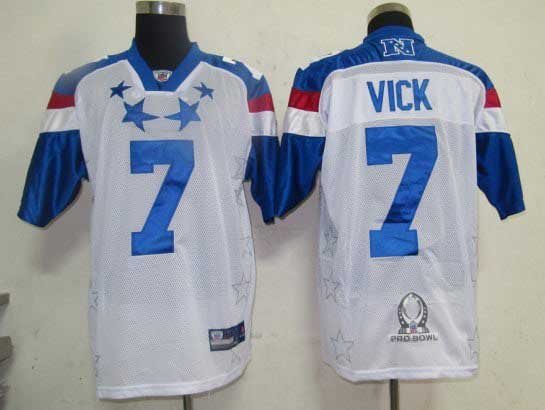
- Consistent sizing — Polyester doesn't shrink, so a size medium stays a size medium across the full season
- Print compatibility — Sublimation and heat-transfer vinyl bond reliably to polyester surfaces for sharp, lasting graphics
- Low cost at volume — Polyester fabric is inexpensive to produce, which matters when outfitting a 30-person roster
- Colorfastness — Colors resist fading through repeated high-frequency washing
If your team wants to add custom logos or player numbers using vinyl, a dedicated cutting machine makes the job cleaner and faster. If you're running into problems during production, our troubleshooting guide on why your vinyl cutter isn't working properly covers the most common causes. For those shopping for a new machine, our best vinyl cutting machine reviews rank the top options specifically for custom jersey and apparel work.
Heat transfer vinyl (HTV) is another widely used method for decorating polyester uniforms. For best results on polyester, use a low-temperature HTV formulation. Standard HTV applied at too high a heat setting can shrink or permanently distort polyester fabric. Our guide on why eco-solvent heat transfer papers are more popular explains why lower-temperature transfer methods are gaining ground for exactly this reason.
Gym Workouts, Running, and Yoga
Polyester dominates gym and studio wear for a different set of reasons. In a yoga class, you need fabric that moves with your body and doesn't cling uncomfortably when wet. Polyester-spandex blends — where spandex adds four-way stretch — deliver both. In a weight room, you want gear that stays in place during heavy lifts and bounces back after being compressed under a heavy backpack. Polyester handles both situations reliably.
For running, moisture management is the primary concern. A soaked shirt adds drag and increases chafing risk at friction points. Polyester base layers move sweat away before it accumulates at the surface. Many runners also value polyester's light weight — at low GSM weights, it adds almost nothing to the body.
Mistakes to Avoid When Buying Polyester Activewear
Even though polyester is a forgiving material, common shopping mistakes still cost you comfort and money. Here are the ones worth knowing before your next purchase.
Ignoring Fabric Blends
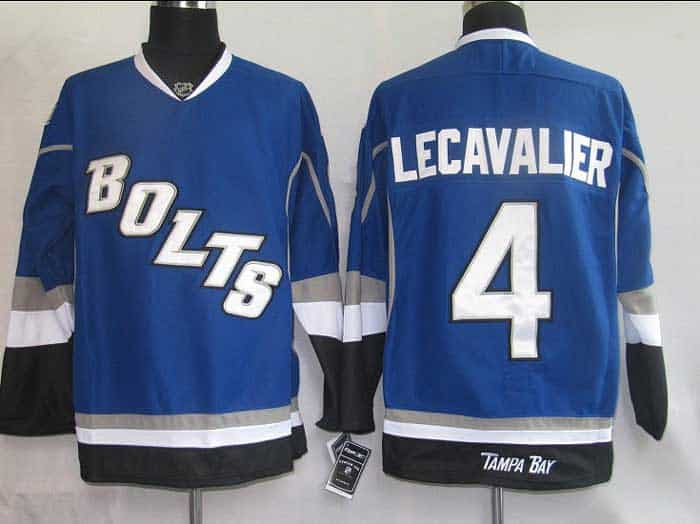
Pure polyester can feel slightly stiff or plasticky against bare skin, especially in cheaper garments. Most manufacturers blend polyester with other fibers to improve the wearing experience. The most common blends are:
- Polyester + spandex (elastane) — Adds four-way stretch; essential for yoga, cycling, and compression gear
- Polyester + cotton — Adds softness and a more natural feel; trade-off is reduced moisture management compared to pure polyester
- Polyester + merino wool — Premium option that adds natural odor resistance and temperature regulation; best for multi-day outdoor activities
Don't assume a garment labeled "polyester" is 100 percent polyester. Check the care label. A tag reading 92% polyester / 8% spandex tells you the garment will have significant stretch and recovery. A 60/40 polyester-cotton blend will feel softer but wick less aggressively. Neither is wrong — they are simply different tools for different activities.
If you're buying gear for children to use during school sports, keeping track of individual items across a locker room can be a challenge. A dedicated label maker solves this quickly. Our guide to the best label makers for teachers includes models that print on fabric-safe adhesive labels tough enough to survive wash cycles on polyester uniforms.
Skipping Quality Checks
Not all polyester fabric is created equal. Budget sportswear may use lower-grade polyester that pills (forms small fiber balls on the surface), fades faster, and degrades after fewer washes. Before buying, run through these quick checks:
- Pull test — Stretch the fabric and release. It should snap back quickly with no visible distortion in the weave.
- Light test — Hold the fabric up to a light source. A well-constructed piece should block most light evenly. Very sheer fabric at thinner areas signals low GSM construction.
- Surface texture — Rub the fabric between your fingers. Quality polyester feels smooth and consistent. Rough or scratchy texture suggests lower-grade fiber or substandard finishing.
- Seam inspection — Check that seams are flat and reinforced. Flatlock seams (where two fabric edges meet flat instead of overlapping) reduce chafing during sustained movement.
Warning: Never expose polyester sportswear to high heat — the fiber can melt or warp permanently. This includes leaving gear in a hot car, using a high-heat dryer cycle, or pressing with a household iron without a protective pressing cloth between the iron and the fabric.
How to Wash and Care for Polyester Sportswear
One of the reasons why sportswear made of polyester is so widely adopted is its reputation for easy care. But easy care does not mean zero care. A few consistent habits extend the life of your gear significantly and protect any custom decoration applied to it.
Washing and Drying Tips
Polyester is machine washable, but there are right and wrong approaches:
- Wash in cold water (30°C / 86°F or lower) — hot water can permanently set odors into synthetic fiber
- Turn garments inside out before washing — reduces surface pilling and protects printed or heat-pressed designs
- Use a gentle cycle for compression gear or any blended item containing spandex
- Avoid fabric softener — it coats the fiber and blocks the moisture-wicking channels, degrading performance over time
- Air dry whenever possible — if you must use a dryer, select the lowest heat setting available
- Wash gear promptly after use — leaving sweat-soaked polyester in a closed bag allows odor-causing bacteria to multiply rapidly
If you have applied heat transfer vinyl or custom labels to your polyester gear, follow washing instructions carefully after decoration. High heat from both washing and drying can cause vinyl edges to lift or bubble. If you print your own care labels for decorated garments, our comparison of thermal vs. inkjet label printers covers the options that produce durable, waterproof garment tags.

Long-Term Care Strategy
Building a deliberate long-term strategy for your polyester sportswear wardrobe saves money and reduces waste over time. Here are the habits worth developing.
Rotate your gear. If you train daily, rotating between three or four sets lets each piece recover fully between uses. Constant wear without rotation accelerates breakdown in elastic fibers and seams.
Store it properly. Fold or hang polyester gear in a dry, ventilated space. Avoid compressing gear at the bottom of a gym bag for extended periods — it can cause creasing or deformation in structured pieces with internal foam or padding.
Treat odors early. If polyester develops persistent odor — a common issue because bacteria bond more readily to synthetic fibers than natural ones — soak the garment in a diluted white vinegar solution before washing. This neutralizes odor without damaging the fiber structure. Adding baking soda to the wash cycle is another low-cost option.
Address pilling proactively. Once pilling starts, use a fabric shaver (a small electric device that trims fiber balls from the surface) to restore a smooth appearance. Address it early — the longer you wait, the more fiber is lost in the repair process.
Know when to replace. Polyester gear has a practical lifespan. Once moisture-wicking performance degrades noticeably — the fabric stays wet longer than it used to — or once pilling is too severe to reverse, replacing is more economical than continued repair. Most quality polyester activewear holds up for 300 to 400 wash cycles before performance visibly declines.
Frequently Asked Questions
Is polyester good for all types of exercise?
Polyester works well for most activities — running, gym training, cycling, and team sports. It manages moisture effectively and holds its shape under repeated stress. For activities requiring maximum stretch, a polyester-spandex blend is a better pick than pure polyester. For cold-weather outdoor use, a polyester-merino wool blend adds natural odor resistance and insulation that pure polyester cannot match on its own.
Does polyester cause skin irritation?
Some people find pure polyester uncomfortable, particularly those with sensitive skin. The issue is usually friction rather than a true allergic reaction. Look for garments with flatlock seams and microfiber polyester construction, both of which feel noticeably softer against skin. Blends that include a percentage of cotton or merino wool also reduce irritation risk significantly. If skin issues recur, consulting a dermatologist before ruling out a contact sensitivity is worth considering.
Can you print custom designs on polyester sportswear?
Yes — polyester is the ideal fabric for sublimation printing, where dye bonds directly into the fiber at a molecular level. The result is a permanent, vivid print that won't crack, peel, or fade the way screen printing can. Heat transfer vinyl is another popular option, but you should use low-temperature HTV products specifically formulated for synthetic fabrics. Applying standard HTV at too high a temperature can melt or distort the polyester underneath.
Why does polyester sportswear sometimes smell even after washing?
Polyester fibers trap odor-causing bacteria in their structure more readily than natural fibers, particularly after repeated use. Fabric softener worsens the problem by coating fibers and reducing breathability. To address persistent odor, wash in cold water without softener, add white vinegar to the rinse cycle, and air dry rather than machine dry. Some brands treat polyester with antimicrobial finishes — silver ion or zinc pyrithione treatments — that reduce bacterial growth and are worth seeking out if odor is a recurring issue for you.
Key Takeaways
- Polyester dominates sportswear because it wicks moisture away from skin faster than cotton and retains its shape through hundreds of wash cycles without shrinking or fading.
- Fabric blends matter — polyester-spandex adds stretch for yoga and compression use, polyester-merino adds odor resistance for outdoor wear, and polyester-cotton softens the feel at the cost of some moisture management.
- Three habits shorten polyester's lifespan fastest: using fabric softener, drying on high heat, and leaving sweat-soaked gear sealed in a bag — avoid all three.
- Polyester is the only fabric fully compatible with sublimation printing, making it the standard choice for custom team uniforms and any garment decorated with dye-based heat transfer methods.


About Alice Davis
Alice Davis is a crafts educator and DIY enthusiast based in Long Beach, California. She spent six years teaching textile design and applied arts at a community college, where she introduced students to everything from basic sewing techniques to vinyl cutting machines and heat press printing as practical, production-ready tools. That classroom experience means she has put more sewing machines, embroidery setups, Cricut systems, and heat press units through real project work than most reviewers ever will. At PalmGear, she covers sewing machines and embroidery tools, vinyl cutters, heat press gear, Cricut accessories, and T-shirt printing guides.
You can get FREE Gifts. Or latest Free phones here.
Disable Ad block to reveal all the info. Once done, hit a button below