How to Quilt with a Sewing Machine
by Alice Davis
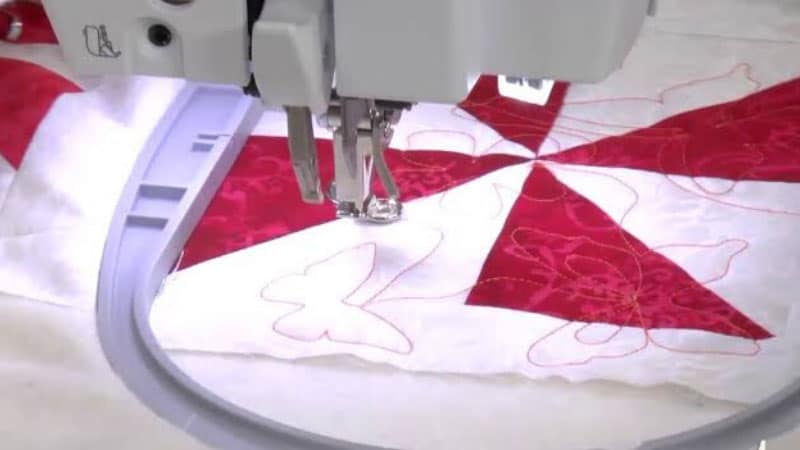
What separates a quilt that holds its shape through years of washing from one that puckers, shifts, and falls apart at the seams? The answer is technique — and our team is convinced that understanding how to quilt with a sewing machine at a technical level, not just a procedural one, is what makes the difference between a frustrating first attempt and a genuinely satisfying finished project. Machine quilting brings together precise piecing, controlled layering, and deliberate stitching in a way that rewards careful preparation more than raw speed or expensive equipment. Explore everything in our sewing crafts guide collection for broader context on where machine quilting fits within the fabric arts.
Contents
- Essential Gear for Machine Quilting
- From Beginner Foundations to Advanced Machine Quilting
- Quick Setup: Layering and Basting the Quilt Sandwich
- Stitching Techniques That Deliver Professional Results
- Common Mistakes That Ruin Machine-Quilted Projects
- Troubleshooting Thread Breaks, Puckering, and Skipped Stitches
Essential Gear for Machine Quilting
Getting the right equipment in place before the first stitch is what our team insists on, because quilting places more sustained demand on a sewing machine than standard garment construction, and a machine that struggles with layered fabric weight will create problems that no amount of skill can fully compensate for once the project is underway.
The Machine and Its Settings
Our team recommends any mid-range domestic machine with a throat space of at least 6 inches, because quilting large pieces requires enough clearance to maneuver the quilt bulk without fighting the machine housing on every pass. Feed dogs, stitch length control in the 2.5–3.5mm range, and a reliable drop-feed mechanism for free-motion work are non-negotiable features for anyone serious about machine quilting. Machines like the Brother CS6000i, Janome HD3000, and Singer Quantum Stylist handle the full range of quilting applications without requiring a commercial-grade investment.
Supporting Tools Every Quilter Needs
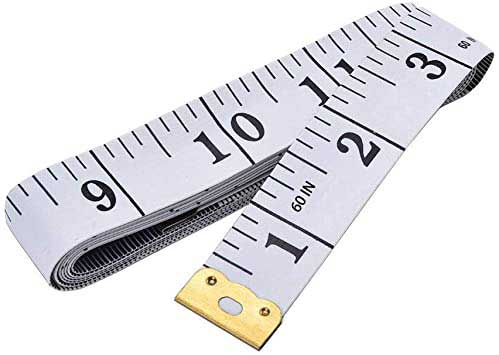
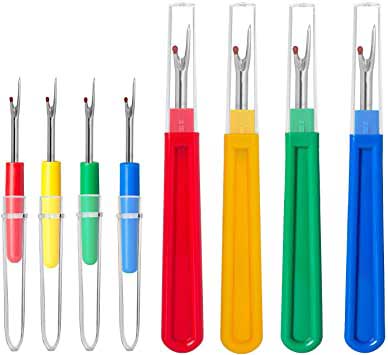
Beyond the machine itself, the essential toolkit includes a walking foot, a darning foot, sharp quilting needles in size 75/11 or 90/14 depending on fabric weight, a rotary cutter with a self-healing mat, and a long acrylic quilting ruler. Our team keeps a seam ripper on the worktable at all times, because even experienced quilters need to remove and redo stitches when tension or alignment drifts mid-project. For anyone who has explored our coverage of making a hooded cloak with or without sewing, the overlap in precision cutting tools between that project and machine quilting is considerable.
| Presser Foot | Best Application | Skill Level | Key Advantage |
|---|---|---|---|
| Walking foot (even-feed) | Straight-line quilting, stitch-in-the-ditch | Beginner | Feeds all layers at identical speed, eliminates top-layer creep |
| Darning / free-motion foot | Stippling, custom freehand designs | Intermediate–Advanced | Allows full directional control with dropped feed dogs |
| Open-toe appliqué foot | Border quilting, decorative lines | Intermediate | Maximizes sight lines directly over stitching path |
| Quarter-inch foot | Precise seam allowances in block piecing | Beginner | Essential for accurate, reproducible block assembly |
| Big stitch / hand-look foot | Decorative hand-quilting appearance | Intermediate | Accommodates heavier thread weights without tension issues |
From Beginner Foundations to Advanced Machine Quilting
The distance between beginner straight-line quilting and advanced free-motion work is a matter of deliberate practice and understood mechanics, and our team is direct about this: the full technical range of machine quilting is accessible to anyone who starts with the right foundational approach and builds systematically rather than skipping ahead.
Starting with Straight-Line Quilting
Straight-line quilting with a walking foot is the correct entry point for anyone learning how to quilt with a sewing machine, because it builds the muscle memory for managing quilt bulk and teaches proper tension calibration on real layered fabric under working conditions. Our team recommends starting with a lap quilt or table runner rather than a full bed quilt, since the larger format introduces too many variables simultaneously for someone still developing fundamental control. Mastering consistent stitch length and line accuracy on a 36-by-48-inch practice piece delivers more durable skill than jumping into complex patterns before the basics are solid.
Moving into Free-Motion and Complex Designs
Free-motion quilting requires dropping the feed dogs, attaching a darning foot, and guiding the quilt sandwich manually to create stippling, feathers, or entirely custom designs — and the learning curve is real but manageable with dedicated practice on test squares before working on actual projects. Our team has found that practicing free-motion on 12-inch fabric sandwiches consistently produces faster skill development than practicing directly on finished quilt tops where errors are costly. For those interested in combining textile crafts, our guide on how to heat press a hat explores heat transfer embellishment applications that some quilters incorporate onto completed quilt surfaces.
Quick Setup: Layering and Basting the Quilt Sandwich
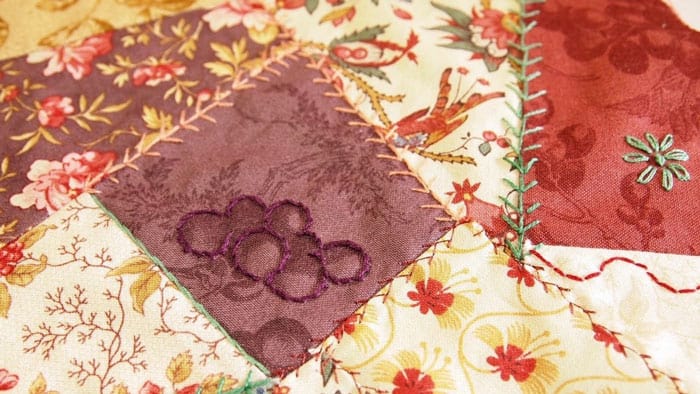
The quilt sandwich — top, batting, and backing layered with precision — is what everything else depends on, and our team consistently identifies poor basting as the single most common source of puckering, shifting, and structurally compromised quilts, so we give this phase significantly more time than most guides suggest is necessary.
Cutting and Squaring the Layers
Our team cuts batting and backing at least 2 to 4 inches larger on all sides than the quilt top, which provides material to grip during quilting and compensates for any minor shifting that occurs during the basting process itself. A rotary cutter and acrylic ruler on a self-healing mat produce cleaner, more consistent edges than scissors on any fabric weight, and the investment in a 24-by-36-inch cutting mat pays back immediately on the first project. For context on how fabric weave construction affects cutting behavior and layer handling, our article on how a 100% cotton t-shirt is made covers the weave structures most commonly used in quilting cotton.
Basting for Stability
Pin basting with curved safety pins placed every 4 to 6 inches is the method our team recommends for machine quilting, because it locks all three layers without the added bulk that spray basting adhesive can introduce to dense batting. Thread basting is appropriate for hand quilting but creates consistent obstacles for machine quilting by catching on the presser foot during stitching runs across large areas. A thorough pin-basting pass on a queen-size quilt takes 45 to 60 minutes and prevents multiple hours of disassembly and repair work later in the project.
Stitching Techniques That Deliver Professional Results
Technique selection drives the final appearance and structural durability of any machine-quilted project, and our team has developed clear preferences across all major approaches — stitch-in-the-ditch, echo quilting, parallel grid lines, and free-motion stippling each have specific situations where they genuinely outperform the alternatives in both efficiency and visual impact.
Stitch-in-the-Ditch and Walking Foot Work
Stitch-in-the-ditch involves stitching directly into the seam line between quilt blocks, anchoring all three layers without adding visible design lines to the quilt surface, and our team uses this approach on first passes over large quilts before adding decorative free-motion work on top. The walking foot's even-feed mechanism prevents the upper fabric layer from advancing faster than the lower layers, which is the primary mechanical cause of surface puckering on machine-quilted projects. For anyone who has worked through our article on hemming jeans with and without a sewing machine, the walking foot serves the identical even-feed function in both applications.
Free-Motion Quilting with a Darning Foot
Free-motion quilting gives machine quilters complete design control over their stitching, and our team treats it as the defining skill that separates functional quilts from genuinely artistic ones. Stippling — the irregular, non-overlapping curved lines that fill quilt areas with texture — is the most practical free-motion pattern to master first, because it tolerates minor inconsistencies that show up immediately in more geometric designs like feathers or clamshells. Managing thread tension during free-motion work shares conceptual overlap with managing thread behavior in hand embroidery, which is why our guide on how to keep embroidery floss from tangling builds transferable thread-control instincts that apply directly here.
Common Mistakes That Ruin Machine-Quilted Projects
Our team has reviewed enough failed machine-quilted projects to recognize the recurring patterns, and the same errors appear consistently across skill levels — mostly because they involve setup and planning decisions made before the first stitch, not execution problems during quilting itself where skill and experience could actually compensate.
Tension and Thread Selection Errors
Mismatched thread weight between the top thread and bobbin creates tension imbalances that appear as surface loops or thread breaks under load, and our team is categorical about using the same thread weight in both positions for standard machine quilting work. Bobbin tension specifically should be tested on a scrap fabric sandwich before beginning any real project, because bobbins from the same brand can carry manufacturing variations that affect tension noticeably at quilting speeds. Wikipedia's overview of quilting history notes that thread standardization has been a fundamental concern across both hand and machine quilting traditions for well over a century.
Inadequate Basting and Measuring Mistakes
Under-basted quilts shift during machine quilting and produce diagonal back puckering that cannot be fixed without complete disassembly and re-layering, and our team views any time saved by skipping thorough basting as a net loss given the repair hours required afterward. Measuring and squaring errors in the quilt top compound during quilting because the presser foot amplifies any initial misalignment across the full length of each stitching pass. For comparable precision requirements in a different craft context, our article on making vinyl letters stick to wood covers the measuring and alignment discipline that transfers directly to quilting preparation work.
Troubleshooting Thread Breaks, Puckering, and Skipped Stitches
Even thoroughly prepared quilts encounter technical problems during machine quilting, and the ability to diagnose and resolve these issues quickly determines whether a project recovers cleanly or stalls into a costly partial failure — our team considers troubleshooting fluency a core part of understanding how to quilt with a sewing machine at any level beyond beginner.
Diagnosing Thread and Needle Issues
Thread breakage during machine quilting traces back to one of four causes in our experience: needle too fine for the thread weight, tension set too high, incorrect threading through the tension discs, or a needle eye burr from accumulated use. Our team changes needles every 8 to 10 hours of sewing time regardless of visible damage, because needle fatigue affects stitch quality well before any obvious bending becomes apparent to the eye. Skipped stitches on knit-backed batting are almost always a needle type issue rather than a tension problem, and switching to a stretch needle resolves this in the vast majority of cases.
Fixing Puckering and Fabric Shift
Puckering on the quilt back almost always signals insufficient basting density, while puckering on the quilt top typically points to incorrect presser foot pressure or walking foot calibration specific to the machine being used. Our team addresses persistent back puckering by removing the affected basting pins, smoothing the layers flat from center outward in overlapping strokes, and re-pinning in a denser grid before continuing. For anyone who has found our DIY project guides useful, our article on how to make a doormat at home applies the same center-out smoothing logic to working with layered flat surface materials.

Frequently Asked Questions
What sewing machine is best for quilting beginners?
Our team consistently recommends a mid-range domestic machine with at least 6 inches of throat space and a dedicated drop-feed mechanism — models like the Brother CS6000i or Janome HD3000 handle all beginner and intermediate quilting tasks reliably without requiring an upgrade for several years of serious use.
Do most people need a special needle for machine quilting?
Our team uses quilting-specific needles in size 75/11 for lightweight cotton and 90/14 for heavier batting combinations, because the tapered point geometry of a quilting needle pierces multiple compressed layers cleanly without deflecting or dragging thread through the fabric.
How does free-motion quilting differ from straight-line quilting?
Straight-line quilting uses a walking foot with active feed dogs to produce consistent, parallel rows, while free-motion quilting drops the feed dogs and uses a darning foot to allow manual directional control — both are essential techniques for anyone learning how to quilt with a sewing machine at an intermediate level or beyond.
What causes thread breakage during machine quilting?
In our experience, thread breakage almost always comes from one of four sources: tension set too high for the thread weight, a needle burr from overuse, incorrect threading through the tension discs, or a thread weight mismatch between the top spool and the bobbin — addressing these in sequence resolves the problem in virtually every case.
How long does basting a full quilt actually take?
Our team budgets 45 to 60 minutes for thorough pin basting on a queen-size quilt when using curved safety pins spaced every 4 to 6 inches — this time investment is non-negotiable, because under-basted quilts almost always require far more time to repair than was saved during the basting phase.
Next Steps
- Confirm the throat space and drop-feed capability on the current machine, and source a walking foot and darning foot if either is missing from the toolkit before beginning any quilting project.
- Cut a practice quilt sandwich from scrap cotton — top, batting, backing — at 36 by 48 inches, and complete a full straight-line quilting session before working on any real project.
- Test bobbin tension on a folded scrap sandwich at quilting speed, adjusting until no loops appear on either fabric surface, and record the correct tension setting for future reference.
- Practice free-motion stippling on six 12-inch fabric sandwiches in dedicated sessions until stitch length consistency across direction changes feels natural and controlled.
- Review the presser foot comparison table above and identify any missing feet, prioritizing the walking foot and darning foot as the two highest-impact additions for anyone learning how to quilt with a sewing machine.


About Alice Davis
Alice Davis is a crafts educator and DIY enthusiast based in Long Beach, California. She spent six years teaching textile design and applied arts at a community college, where she introduced students to everything from basic sewing techniques to vinyl cutting machines and heat press printing as practical, production-ready tools. That classroom experience means she has put more sewing machines, embroidery setups, Cricut systems, and heat press units through real project work than most reviewers ever will. At PalmGear, she covers sewing machines and embroidery tools, vinyl cutters, heat press gear, Cricut accessories, and T-shirt printing guides.
You can get FREE Gifts. Or latest Free phones here.
Disable Ad block to reveal all the info. Once done, hit a button below