How to Make a Hooded Cloak With or Without a Sewing Machine
by Alice Davis
According to estimates from the global costume and cosplay market, handcrafted garments account for over $4.5 billion in annual spending, with the hooded cloak ranking consistently among the top five most-requested DIY sewing projects worldwide. Understanding how to make a hooded cloak with or without sewing is a practical and rewarding skill that serves cosplayers, theatrical performers, Renaissance fair participants, and anyone drawn to dramatic outerwear. The construction process demands far less technical precision than most beginners fear, and results can rival professionally manufactured garments when the right materials and methods are applied with care.

Contents
- Step-by-Step: Constructing a Sewn Hooded Cloak
- No-Sew Approaches That Produce Reliable Results
- Sewn vs. No-Sew: An Honest Breakdown
- How to Make a Hooded Cloak With or Without Sewing: Comparing Materials and Methods
- When to Commit to Sewing and When to Skip It
- Cloak-Making Myths Worth Dismissing
- Practical Tips for a Finished, Professional Look
Step-by-Step: Constructing a Sewn Hooded Cloak
A cloak is among the oldest garment forms in recorded human history, and modern construction methods have made it straightforward to produce at home. The sewn approach remains the gold standard for durability and silhouette control. The process follows a logical sequence that even first-time sewers can complete with patience and careful measurement.
Materials and Tools
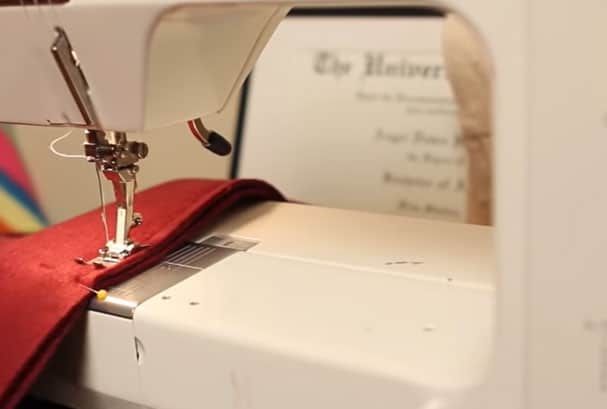
The primary requirement is fabric — ideally 2.5 to 3 yards of medium-weight material such as wool, velvet, or fleece for a full-length adult cloak. Additional needs include matching thread, fabric scissors or a rotary cutter, straight pins, a flexible measuring tape, a sewing machine (or needle for hand-sewing), and a clasp or tie closure. A printed or hand-drafted pattern simplifies the cutting process considerably. For crafters who also work with decorative vinyl elements, consulting PalmGear's guide on how to connect a vinyl cutter to a computer can help produce precise stencil templates for ornamental cloak details.
Cutting the Fabric Panels
The cloak body is typically a semicircle or a rectangle with curved lower edges, depending on the desired silhouette. A full-circle cloak provides maximum dramatic sweep; a semicircle is the more beginner-friendly option. The hood consists of two mirrored rectangular panels — approximately 22 inches by 13 inches for an average adult head — sewn together along the curved top edge. Accuracy at this stage determines the final drape. Mark all panels with tailor's chalk before cutting and allow a half-inch seam allowance on every edge. Irregular cuts at this stage cannot be corrected later without visible fabric loss.
Assembling the Body and Hood
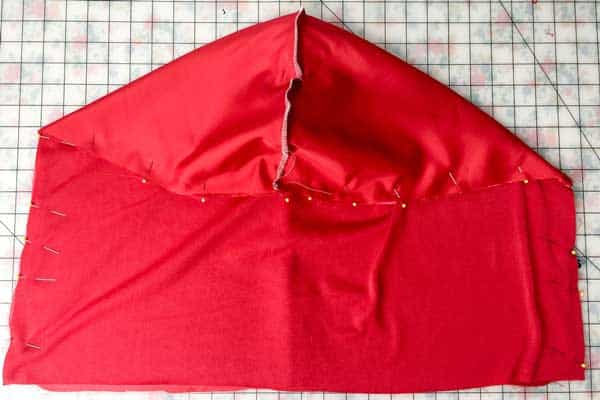
Begin by hemming the outer edges of the cloak body — a task that closely parallels the techniques described in PalmGear's guide on how to hem jeans and pants with and without a sewing machine. Sew the two hood panels together along the curved top seam, then attach the straight bottom edge of the assembled hood to the neckline of the cloak body with right sides facing. Press all seams flat with an iron after stitching. Add a closure — a fabric tie, ribbon, or metal clasp — at the neckline center front. The result is a fully functional hooded cloak built to withstand extended wear and repeated laundering.
No-Sew Approaches That Produce Reliable Results
No-sew construction methods have advanced considerably with the introduction of heat-activated bonding tapes and industrial-grade fabric adhesives. These techniques are well-suited to crafters who lack sewing equipment or face time constraints that demand faster project completion. The finished products, when executed correctly, are visually indistinguishable from their sewn counterparts at casual inspection distances.
Fabric Glue Method
Permanent fabric glue — from brands such as Aleene's Permanent Fabric Fusion or Beacon Fabrics — creates a bond strong enough for lightweight-to-medium fabrics under normal wear conditions. The correct application technique is a thin, even bead along the seam area; pressing the fabric layers firmly together and allowing 24 to 48 hours of full curing time before handling. The most common error is applying excess adhesive, which causes visible stiffness and unsightly bleed-through on the fabric face. This method excels on felt cloaks, which have non-fraying edges and require no hemming whatsoever.
Iron-On Hem Tape Method
Iron-on hem tape produces a clean, flat bond that closely mimics a machine-sewn hem in outward appearance. The process involves positioning the tape between fabric layers, covering the area with a damp pressing cloth, and applying a heated iron for the manufacturer's specified duration. This technique shares foundational principles with heat transfer vinyl application — a process covered in detail in PalmGear's guide on how to apply heat transfer vinyl with an iron. For cloak edges and hood attachment, hem tape delivers a professional seam finish without any visible stitching.
Pro Tip: When using iron-on hem tape on synthetic fabrics such as polyester fleece, reduce the iron to the synthetic setting — applying high heat to these materials causes irreversible fiber distortion that no amount of pressing will correct.
Sewn vs. No-Sew: An Honest Breakdown
Where Sewing Excels
Machine or hand sewing produces seams that are flexible, washable, and durable under prolonged stress. A sewn cloak can be worn, laundered, and worn again hundreds of times without seam separation. For theatrical productions, Renaissance fairs, or any application requiring longevity across multiple seasons, sewing is the only method that delivers consistent long-term performance. Equipment maintenance is essential to stitch quality — keeping a sewing machine in prime condition is addressed comprehensively in PalmGear's article on how to clean a sewing machine.
Where No-Sew Wins
No-sew construction excels in time-sensitive scenarios and for crafters without access to a sewing machine. A no-sew felt cloak can be completed in under two hours from start to finish. These methods also permit easier modifications — fabric glue bonds can sometimes be softened with targeted heat or solvent for repositioning, whereas sewn seams require full removal and re-stitching to alter. For single-use costumes or rapid project delivery, no-sew is the correct and efficient choice.
How to Make a Hooded Cloak With or Without Sewing: Comparing Materials and Methods
Choosing the Right Fabric
Fabric selection exerts the single greatest influence on both process difficulty and the final visual outcome of a hooded cloak. The table below compares the most commonly used materials across key dimensions to inform purchasing decisions before the project begins.
| Fabric | Best Use Case | Ease of Cutting | Durability | No-Sew Compatible |
|---|---|---|---|---|
| Fleece | Casual wear, children's costumes | High | High | Yes |
| Felt | Quick costumes, single-use events | Very High | Low–Medium | Yes (ideal) |
| Velvet | Theatrical, formal events | Medium | Medium–High | Limited |
| Wool | Historical accuracy, outdoor use | Low–Medium | Very High | No |
| Cotton Broadcloth | Beginners, all-purpose projects | High | Medium | Yes |
| Satin | Stage costumes, lining material | Low (slippery) | Low | Limited |
Fleece and felt dominate the beginner market because their edges do not fray, eliminating one of the most labor-intensive steps in garment construction. Wool and velvet deliver superior visual impact but demand greater technical skill and proper sewing equipment to handle cleanly.
When to Commit to Sewing and When to Skip It
Situations That Demand a Needle
Sewing is the correct choice whenever the cloak must endure repeated washing cycles, physical activity, or long-term storage followed by repeated use. A cloak intended for theatrical repertory — worn across multiple productions over several years — should always be machine-sewn with reinforced seam finishes. Decorative embellishments such as embroidered trim also require stitched construction as their foundation; for anyone planning such detail work, PalmGear's article on how to keep embroidery floss from tangling prevents one of the most common frustrations in decorative needlework before it starts.
When No-Sew Is the Smarter Choice
No-sew construction is the intelligent choice for children's Halloween costumes worn once, craft projects facing tight deadlines, or situations where sewing equipment is simply unavailable. It is also appropriate for heavier fleece and felt, where the inherent body of the fabric compensates for the lower tensile strength of adhesive bonds. A dedicated craft workspace with a utility sink simplifies fabric preparation and post-project cleanup — a practical setup explored in PalmGear's tutorial on how to install a utility sink next to a washer.
Warning: Most fabric glues and iron-on hem tapes are not rated for machine washing — always verify the manufacturer's care instructions before laundering any no-sew garment, as seams may separate entirely after the first wash cycle.
Cloak-Making Myths Worth Dismissing
Myth: Sewing Is the Only Path to Durability
This misconception discourages many crafters from attempting no-sew construction altogether. In reality, modern heat-bond tapes and permanent fabric adhesives produce seams that hold through moderate use and even machine washing when appropriate products are selected and applied correctly. The determining factor is not the bonding method but the combination of fabric weight, adhesive quality, and adherence to application instructions. No-sew is not inherently inferior to sewing — it is a different tool engineered for different circumstances, and dismissing it outright is inaccurate.
Myth: Professional Results Require Expensive Fabric
Budget fleece from a fabric retailer, often priced at two to four dollars per yard, produces visually compelling cloaks that photograph well and perform adequately in most costume contexts. The notion that quality outcomes require premium materials conflates cost with craftsmanship. Precise cutting, clean seam finishing, and deliberate construction choices matter far more than the price per yard. Many competitive cosplayers and theatrical costumers rely heavily on mid-range polyester blends for their most visually striking hooded cloak builds.
Practical Tips for a Finished, Professional Look
Precision in Cutting and Measurement
The single most impactful action a crafter can take to improve cloak quality is investing time in accurate measurement and precise cutting. Uneven fabric edges produce crooked hems, misaligned hoods, and a garment that hangs incorrectly regardless of how carefully it is subsequently sewn or bonded. A rotary cutter and self-healing cutting mat deliver clean straight edges; sharp dressmaker's shears handle curved sections. Every cutting line should be marked before any cut is made. Crafters who apply decorative heat-transfer designs to cloak panels should also review the precision principles in PalmGear's tutorial on how to heat press a hat, as the techniques transfer directly to flat fabric work.
Finishing the Edges Properly
Raw fabric edges on a sewn cloak must be finished to prevent fraying over time. The simplest options are a serger overlock stitch, a zigzag stitch on a standard sewing machine, or an application of fray-prevention liquid such as Fray Check along each seam. Velvet and wool in particular demand edge finishing, as their weave structures unravel quickly when left raw. For no-sew projects constructed from non-fleece fabrics, hem tape applied to all raw edges fulfills the same function cleanly. This final finishing step is the difference between a cloak that reads as an amateur product and one that conveys deliberate, professional craft. Understanding how to make a hooded cloak with or without sewing ultimately comes down to matching the right method to the right context — and then executing each step with care.
Final Thoughts
Whether the goal is a single-evening Halloween costume or a durable theatrical garment built to perform across dozens of productions, every crafter has a viable path forward using the methods covered in this guide. Those new to the process should begin with fleece and no-sew techniques to build confidence with the patterns and proportions, then graduate to machine-sewn construction once the fundamentals feel natural. Explore PalmGear's sewing and crafts section for additional project tutorials, material guides, and tool recommendations that make every fabric project more achievable and more satisfying.


About Alice Davis
Alice Davis is a crafts educator and DIY enthusiast based in Long Beach, California. She spent six years teaching textile design and applied arts at a community college, where she introduced students to everything from basic sewing techniques to vinyl cutting machines and heat press printing as practical, production-ready tools. That classroom experience means she has put more sewing machines, embroidery setups, Cricut systems, and heat press units through real project work than most reviewers ever will. At PalmGear, she covers sewing machines and embroidery tools, vinyl cutters, heat press gear, Cricut accessories, and T-shirt printing guides.
You can get FREE Gifts. Or latest Free phones here.
Disable Ad block to reveal all the info. Once done, hit a button below