RV Gear ›
10 Best RV Skylights in 2026 – Reviews & Buying Guide
by Jake Mercer
Which RV skylight actually holds up after years of UV exposure, temperature swings, and highway vibration? If you need a direct answer, the Specialty Recreation N1422D earns our top recommendation in 2026 for its proven durability and straightforward flange installation that fits the most common RV roof openings. But the right skylight for your rig depends on your roof cutout dimensions, whether you need a full kit or just a replacement dome, and how much natural light you want flooding your living space.
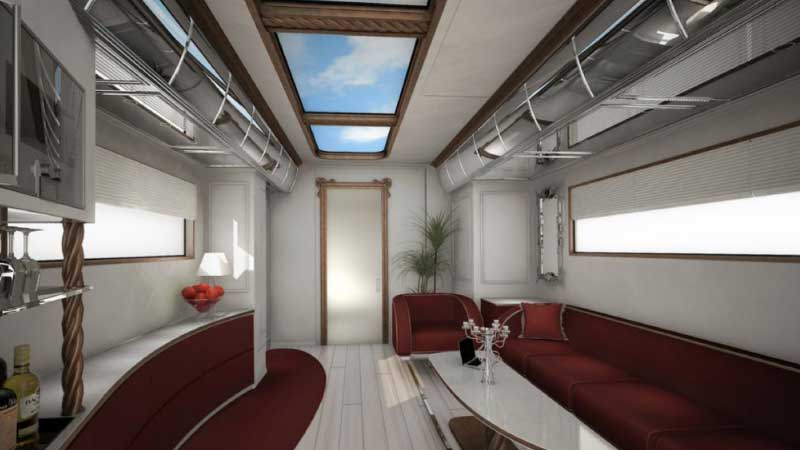
RV skylights serve a dual purpose that standard windows simply cannot replicate: they deliver overhead natural light into bathrooms, kitchens, and hallways while maintaining the sealed roof envelope that keeps water out. Most factory-installed skylights are single-pane thermoformed polycarbonate that yellows and becomes brittle after five to seven years of constant sun exposure. Replacing them before they crack and leak is one of the smartest preventive maintenance steps any RV owner can take, and the aftermarket options available in 2026 offer meaningful improvements in material quality and ease of installation over what came stock on your rig.
We evaluated dozens of RV skylights across the two dominant size categories — 14" x 22" and 14" x 14" — focusing on material clarity, flange fitment, seal integrity, and long-term UV resistance. Whether you own a Class A motorhome, a fifth wheel, or a compact travel trailer, the five products below represent the strongest options on the market right now. If you are also upgrading other RV gear this season, pairing a skylight replacement with fresh roof sealant will save you a second trip to the roof.
Contents
Top Rated Picks of 2026
- #PreviewProductRating
- Bestseller No. 1
 Rating:

- Bestseller No. 2
 Rating:
- Bestseller No. 3
 Rating:
 - Bestseller No. 4
 Rating:
 - Bestseller No. 5
 Rating:
In-Depth Reviews
1. Specialty Recreation (N1422D) 16" x 24" Flange Skylight — Best Overall RV Skylight
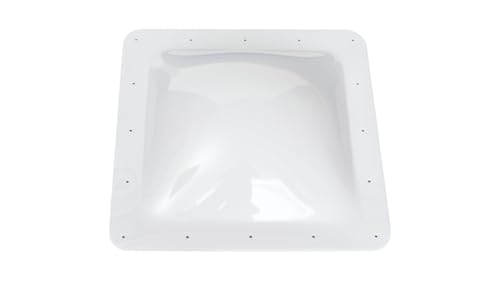
The Specialty Recreation N1422D has been the go-to replacement skylight for RV owners who need a reliable, no-surprises fit for the standard 14" x 22" rough opening. This dome-style skylight measures 16" x 24" at the outer flange, giving you a generous overlap for sealing against the roof surface. The thermoformed polycarbonate construction delivers solid light transmission without the brittleness that plagues cheaper acrylic alternatives, and the smoky tint reduces direct glare while still brightening your interior substantially during daylight hours.
Installation is straightforward for anyone comfortable working on an RV roof. You remove the old dome, clean the flange area, apply a bead of self-leveling lap sealant around the perimeter, and press the new N1422D into place. The package weighs just under three pounds, which makes handling it on a ladder or rooftop manageable for a single person. One detail worth noting is that this is a dome-only replacement — it does not include an inner garnish frame, so you will want to verify that your existing interior trim is still in serviceable condition before ordering.
The N1422D has earned its reputation through years of consistent performance across thousands of RV installations. Its polycarbonate formulation resists yellowing longer than most competitors, and the flange dimensions match the vast majority of factory cutouts from major RV manufacturers including Jayco, Forest River, and Coachmen. For a simple dome replacement on a standard rectangular opening, this is the product we recommend first.
Pros:
- Thermoformed polycarbonate resists yellowing and cracking longer than acrylic alternatives
- 16" x 24" flange fits the most common factory rough opening size across major RV brands
- Lightweight package under three pounds makes solo rooftop installation practical
Cons:
- Does not include an inner garnish frame — you must reuse existing trim or purchase separately
- Smoky tint may not suit owners who prefer maximum clear light transmission
2. ICON RV Skylight SL1414W — Best for Square 14" x 14" Openings
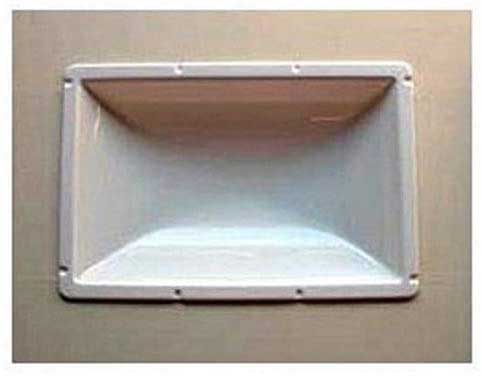
The ICON SL1414W targets the second most common RV skylight format: the 14" x 14" square opening typically found over bathrooms and small hallways. With an outer dimension of 18" x 18", it provides a solid four-inch flange overlap on all sides, creating a wide sealing surface that reduces the risk of water intrusion even if your sealant application is not perfectly uniform. The white dome color matches most factory-original skylights and blends seamlessly with white or light-colored RV roofs.
ICON has positioned this skylight as a direct infusion of natural light into compact RV spaces, and it delivers on that promise. The dome profile is high enough to create a noticeable light-well effect inside the coach, making bathrooms feel significantly less claustrophobic than they do with an opaque vent cover or a yellowed original skylight. The polycarbonate material has a clean, uniform white translucency that diffuses sunlight evenly rather than creating harsh bright spots on your interior walls and fixtures.
Where the SL1414W earns particular respect is in its dimensional consistency. ICON manufactures these skylights to tight tolerances, so the flange sits flat against the roof without the warping or bowing that plagues some off-brand alternatives. If your RV has a 14" x 14" rough opening and you want a replacement that drops in cleanly, seals reliably, and looks factory-original, this is the product to buy. Like the Specialty Recreation options, this is a dome-only unit without interior garnish.
Pros:
- 18" x 18" outer flange provides generous four-inch overlap for secure, watertight sealing
- White translucent dome diffuses natural light evenly without creating harsh interior glare
- Tight manufacturing tolerances ensure the flange sits flat against the roof surface without warping
Cons:
- Only available in white — no smoked or clear options for this particular model
- Square format limits compatibility to 14" x 14" openings, which are less common than rectangular
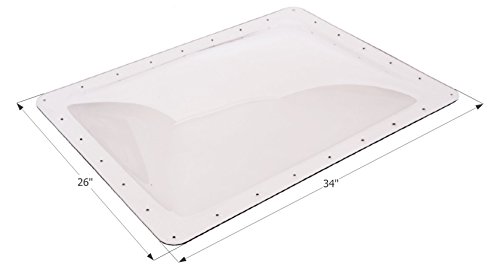
3. Specialty Recreation K1422ELP Low Profile Exterior Skylight Kit — Best Complete Kit
The K1422ELP stands apart from every other product on this list because it is a complete skylight kit rather than a dome-only replacement. You get the exterior dome, the interior garnish frame, and the mounting hardware in a single box. For RV owners whose existing interior trim is cracked, discolored, or missing entirely, this kit eliminates the frustration of hunting down a compatible garnish separately. The low-profile exterior dome sits closer to the roof surface than standard domes, which reduces wind resistance at highway speeds and presents a cleaner visual profile.
Specialty Recreation manufactures the K1422ELP from high-performance thermoformed polycarbonate, the same material used in their dome-only products. The key advantage of the low-profile design is practical rather than aesthetic: a lower dome catches less wind, generates less road noise, and accumulates less debris in the dome cavity. RV owners who have dealt with whistling or vibration from a high-profile dome during highway driving will immediately appreciate the difference. The polycarbonate is also rated for long-term UV exposure and cleans easily with standard RV wash solutions.
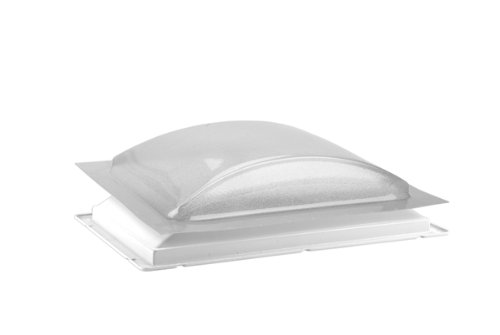
When measuring for the K1422ELP, you need to confirm both the rough hole opening and the overall exterior footprint. Specialty Recreation recommends measuring the rough opening first, then verifying that the exterior flange dimensions will clear any roof obstructions like vent pipes or solar panel mounts. This is solid advice for any skylight replacement, but it is especially critical with a kit purchase because returning a multi-component package costs more in shipping than returning a single dome. If you are replacing both the interior and exterior components of your skylight, the K1422ELP is the most cost-effective path forward.
Pros:
- Complete kit includes exterior dome, interior garnish, and mounting hardware in one purchase
- Low-profile dome design reduces wind noise and debris accumulation at highway speeds
- Thermoformed polycarbonate construction matches the durability of standalone dome products
Cons:
- Kit pricing is higher than a dome-only replacement if your interior trim is still functional
- Requires precise measurement of both rough opening and exterior clearance before ordering
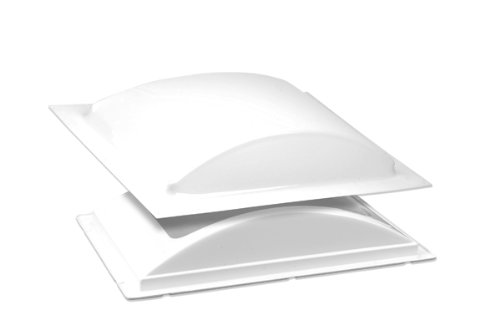
4. Specialty Recreation (N1422) 16" x 24" Flange Skylight — Best Budget Replacement Dome
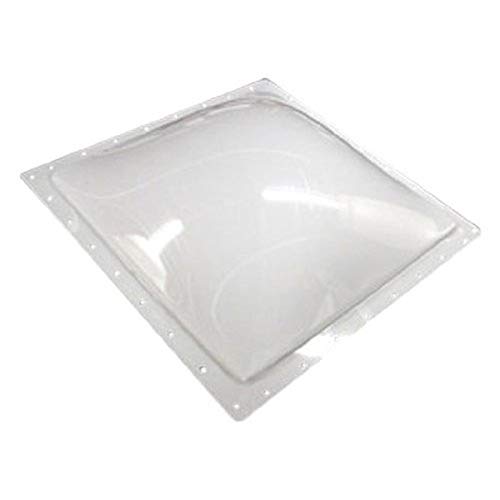
The Specialty Recreation N1422 is the clear-dome counterpart to the smoked N1422D reviewed above. It shares the same 16" x 24" flange dimensions, the same thermoformed polycarbonate construction, and the same fitment for standard 14" x 22" rough openings. The critical difference is light transmission: the N1422 uses no metal flange and features a fully transparent dome that delivers maximum natural light into your RV interior. For spaces like galley kitchens and living areas where you want as much daylight as possible, the clear version is the stronger choice.
At just 2.7 pounds, the N1422 is one of the lightest skylights in this size category. That low weight is not a sign of flimsy construction — it reflects the efficient thermoforming process that creates a structurally sound dome without excessive material thickness. The single-pane design means there is no insulating air gap between layers, which is a trade-off: you get better optical clarity and lower cost, but slightly less thermal insulation compared to a double-pane unit. For RV owners in temperate climates or those who primarily camp in three-season conditions, the single pane performs admirably.
This skylight also includes a Bri-Rus inner garnish for rectangular skylight domes, which provides a clean, finished look on the interior ceiling. That inclusion makes the N1422 a surprisingly complete package at its price point. If your existing interior frame is damaged or missing, you avoid the separate garnish purchase that the N1422D requires. For budget-conscious RV owners who want clear maximum-light transmission and a finished interior appearance, the N1422 offers the best value in this roundup.
Pros:
- Clear dome delivers maximum natural light transmission for kitchens and living areas
- Includes Bri-Rus inner garnish frame, eliminating the need for a separate trim purchase
- Lightweight 2.7-pound construction simplifies solo rooftop installation
Cons:
- Single-pane construction provides less thermal insulation than double-pane alternatives
- Clear dome offers no privacy — you will need an aftermarket shade for bedrooms or bathrooms
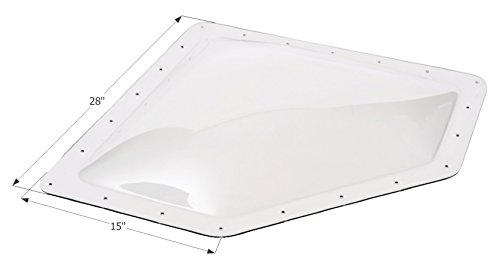
5. HENG'S INDUSTRIES 48621-C2-ES RV Roof Escape Hatch — Best Emergency Exit Skylight
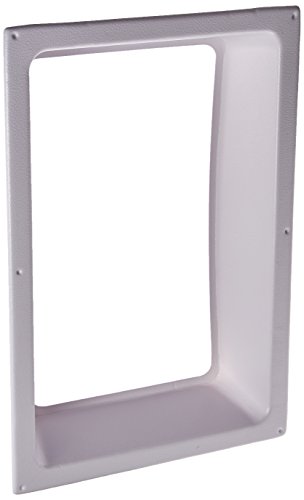
The Heng's 48621-C2-ES occupies a fundamentally different category from the other skylights on this list: it is a roof escape hatch that doubles as a skylight. The National Highway Traffic Safety Administration requires emergency egress points on RVs above certain weight thresholds, and this Heng's unit fulfills that regulatory requirement while adding natural light to your interior. The rough cut-out opening measures 19 1/4" x 26 1/4", and the exterior mounting flange extends to 21" x 28" for a secure roof-surface seal.
The lid itself measures 19 1/2" x 26 3/8" in opaque white, which provides complete privacy since it is not a see-through panel. This makes the 48621-C2-ES particularly well-suited for bedroom installations where you need the dual functionality of an emergency exit and overhead light without sacrificing privacy. The opaque white construction diffuses incoming light in a manner similar to the ICON SL1414W — you get a soft, even glow rather than direct sunlight pouring through a clear dome. In an emergency, the hatch opens from the interior to provide a roof-level exit point large enough for an adult.
Installation of the escape hatch is more involved than a standard skylight replacement because of the larger cutout dimensions and the hatch mechanism itself. You need to verify that your roof structure can accommodate the 19 1/4" x 26 1/4" opening without cutting through any critical framing members. For new installations rather than replacements, this typically requires professional assessment of your roof construction. However, if you are replacing an existing escape hatch of the same dimensions, the Heng's unit drops into the same footprint with minimal modification. The build quality and hardware feel robust, and the latch mechanism operates smoothly without the sticking or binding that cheaper escape hatches often exhibit after a season or two of UV exposure.
Pros:
- Dual-purpose design serves as both an emergency roof exit and a functional skylight
- Opaque white lid provides complete privacy while still diffusing natural light into the interior
- 21" x 28" exterior flange creates a wide, reliable seal against the roof surface
Cons:
- Larger cut-out dimensions require verification that your roof framing can accommodate the opening
- Heavier and more complex to install than a standard dome-only skylight replacement
How to Pick the Best RV Skylight
Measuring Your Roof Opening Correctly
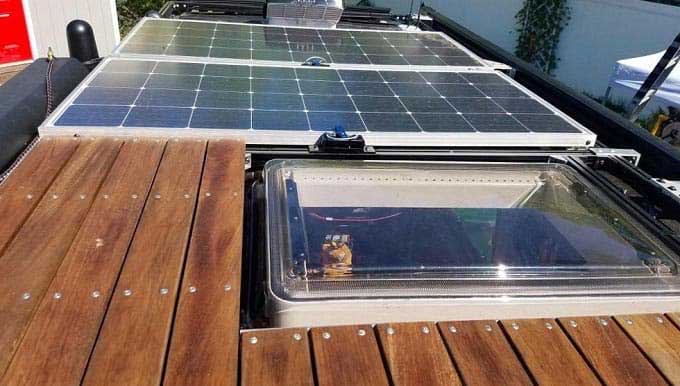
The single most important step in choosing an RV skylight is measuring your existing roof opening accurately. You need two measurements: the rough hole opening (the actual cut-out in your roof) and the exterior flange area (the flat surface surrounding the hole where the new skylight will seat and seal). Manufacturers list their skylights by flange dimensions, not hole dimensions, so a "16 x 24" skylight fits a 14" x 22" rough opening. Always measure from the inside edge of the opening on all four sides, and check for squareness by measuring diagonally — RV roofs can shift over time, and an out-of-square opening may require shimming or trimming for a proper fit.
Dome-Only vs. Complete Kit
If your interior garnish frame is still in good condition — no cracks, no yellowing severe enough to bother you, and all mounting clips intact — a dome-only replacement like the N1422D or ICON SL1414W will save you money. However, if the interior trim is cracked, warped, or missing, buying a complete kit like the K1422ELP is both cheaper and less frustrating than sourcing the garnish separately. Interior garnish frames are notoriously difficult to match across different model years and manufacturers, so a kit purchase eliminates that compatibility risk entirely. This principle applies to other home improvement projects as well — just as you would choose the right deck stain for weathered wood based on your surface condition, you should choose your skylight format based on the current state of all components.
Single Pane vs. Double Pane
All five products in this roundup are single-pane polycarbonate units, which is the standard construction for aftermarket RV skylights in 2026. Single-pane skylights cost less, weigh less, and provide excellent light transmission. Double-pane skylights add an insulating air gap between two layers of polycarbonate, which reduces heat transfer and condensation — meaningful benefits if you camp in extreme temperatures or run your HVAC system heavily. The trade-off is higher cost, greater weight, and a thicker profile that may not fit some interior garnish frames. For the majority of RV owners camping in three-season conditions across temperate climates, single-pane construction delivers the right balance of performance, cost, and compatibility.
Low Profile vs. Standard Profile Domes
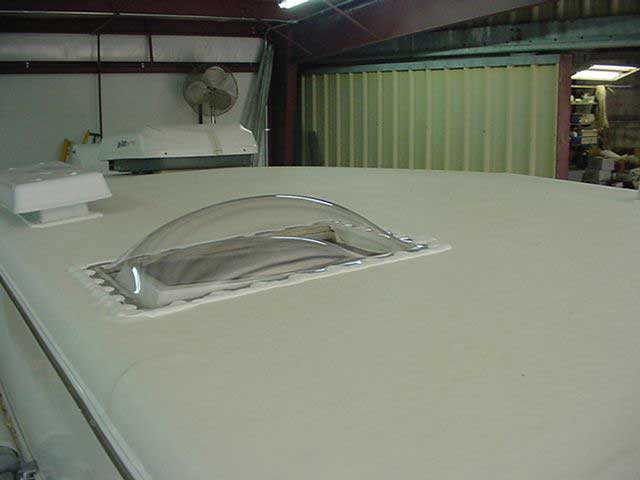
Standard-profile domes rise several inches above the roof surface, creating a bubble that catches wind, accumulates leaves and debris, and can generate a noticeable whistle at highway speeds. Low-profile domes like the K1422ELP sit much closer to the roof plane, reducing aerodynamic drag and wind noise. The trade-off is interior headroom: a standard dome creates a deeper light well that makes the space below feel taller, while a low-profile dome delivers a flatter, more subtle lighting effect. If you spend significant time driving on highways or in windy conditions, the low-profile design pays dividends in reduced noise and improved fuel efficiency. If your RV stays parked at a seasonal site most of the time, the standard dome's deeper light well is the better choice for interior ambiance. These considerations are similar to how you would evaluate bathroom fixture maintenance — choosing the right tool based on your specific usage pattern matters more than following generic advice.
Common Questions
How often should you replace an RV skylight?
Most RV skylights need replacement every five to eight years, depending on your climate and UV exposure. Polycarbonate domes in southern states with intense year-round sun will yellow and become brittle faster than those in northern climates. Inspect your skylights annually for cracks, yellowing, or soft spots by pressing gently on the dome from the roof. If the material flexes more than it did when new, or if you see any hairline cracks, replacement is overdue.
Can you replace an RV skylight yourself, or do you need a professional?
A dome-only replacement is a straightforward DIY project that most RV owners can complete in under two hours with basic tools. You need a putty knife to remove old sealant, a tube of self-leveling lap sealant (Dicor is the industry standard), and a caulk gun. Complete kit installations with interior garnish are slightly more involved but still within reach for anyone comfortable with basic home improvement tasks. Escape hatch installations or new cutouts should involve a professional to avoid compromising your roof structure.
What type of sealant should you use when installing an RV skylight?
Use self-leveling lap sealant specifically designed for RV roofs — Dicor 501LSW is the most widely recommended product for EPDM and TPO roofs. Do not use silicone-based sealants, as they can degrade certain RV roof membranes and are nearly impossible to remove cleanly if you need to reseal later. Apply a continuous bead around the entire flange perimeter, ensuring no gaps where water could penetrate.
What is the difference between a skylight and an escape hatch on an RV?
A standard skylight is a fixed dome that admits natural light but does not open. An escape hatch is a hinged or removable panel that serves as an emergency roof exit while also functioning as a skylight when closed. Federal regulations require at least one emergency egress point on RVs above certain weight and occupancy thresholds, and escape hatches fulfill this requirement. Products like the Heng's 48621-C2-ES combine both functions in a single installation.
Do RV skylights come in custom sizes?
Aftermarket RV skylights are produced in standardized sizes that match the most common factory cut-outs: 14" x 14", 14" x 22", and 22" x 22" are the three dominant formats. Custom-sized skylights are available from some manufacturers on a special-order basis, but they cost significantly more and have longer lead times. Before assuming you need a custom size, measure your rough opening carefully — most RVs use one of the three standard sizes, even if the visible dome dimensions appear different due to varying flange widths.
Can you add a skylight to an RV that does not already have one?
Yes, but adding a new skylight requires cutting a hole in your roof, which is a significant structural modification. You need to locate the roof rafters, ensure the cutout area is clear of wiring and plumbing, reinforce the opening frame if necessary, and seal the installation meticulously to prevent leaks. This is a project best handled by an RV service center or an experienced builder, as improper installation can lead to water damage that costs thousands of dollars to repair. Most owners find it more practical to replace existing skylights with higher-quality aftermarket units rather than adding entirely new openings.
Buy on Walmart
- Specialty Recreation (N1422D 16" x 24" Flange Skylight — Walmart Link
- ICON RV Skylight - SL1414W - White — Walmart Link
- Specialty Recreation K1422ELP Low Profile Single Pane Exteri — Walmart Link
- Specialty Recreation (N1422) 16" x 24" Flange Skylight — Walmart Link
- HENG’S INDUSTRIES 48621-C2-ES RV Roof Escape Hatch Cut-Out 1 — Walmart Link
Buy on eBay
- Specialty Recreation (N1422D 16" x 24" Flange Skylight — eBay Link
- ICON RV Skylight - SL1414W - White — eBay Link
- Specialty Recreation K1422ELP Low Profile Single Pane Exteri — eBay Link
- Specialty Recreation (N1422) 16" x 24" Flange Skylight — eBay Link
- HENG’S INDUSTRIES 48621-C2-ES RV Roof Escape Hatch Cut-Out 1 — eBay Link
Key Takeaways
- The Specialty Recreation N1422D is the strongest overall choice for standard 14" x 22" openings, delivering proven UV-resistant polycarbonate construction in the most common RV skylight size.
- If your interior trim is damaged alongside the dome, the K1422ELP complete kit saves you from the frustration and cost of sourcing a compatible garnish frame separately.
- The ICON SL1414W is your best option for square 14" x 14" bathroom and hallway openings, with tight manufacturing tolerances that ensure a flat, warp-free fit against your roof.
- Always measure your rough hole opening — not the visible dome — before ordering, and use self-leveling lap sealant (never silicone) for a watertight installation that lasts.


About Jake Mercer
Jake Mercer spent twelve years behind the wheel as a long-haul trucker, covering routes across the continental United States and logging well over a million miles. That career gave him an unusually thorough education in CB radio equipment — he has tested base station antennas, magnetic mounts, coax cables, and handheld units in real-world conditions where reliable communication actually matters. After leaving trucking, Jake transitioned to full-time RV travel and has since put hundreds of RV accessories through their paces across national parks, boondocking sites, and full-hookup campgrounds from Montana to Florida. At PalmGear, he covers RV gear and accessories, CB radios, shortwave receivers, and handheld radio equipment.
You can get FREE Gifts. Or latest Free phones here.
Disable Ad block to reveal all the info. Once done, hit a button below