How Is a 100% Cotton T-shirt Made?
by Alice Davis
Global cotton production surpasses 25 million metric tons annually — yet most people who wear a cotton shirt daily cannot explain how is a 100 cotton t shirt made from field to finished garment. The process spans at least seven discrete industrial stages: ginning, carding, spinning, knitting or weaving, dyeing, cutting, and sewing. Each stage typically runs in a separate facility, often across multiple countries, before a shirt reaches a warehouse shelf.
For heat press operators, custom apparel producers, and home crafters, that production chain is directly relevant. It determines which blanks accept heat transfer vinyl cleanly, which fabric weights survive repeated wash cycles, and which cotton grades are worth the sourcing premium. PalmGear covers substrate-specific technique at Heat Press & Vinyl — understanding cotton production underpins all of it.

The seven stages of 100% cotton garment production:
- Field cultivation and mechanical harvest
- Ginning — separating fiber from seed and debris
- Carding and combing — aligning fibers into a continuous strand
- Spinning — twisting strands into yarn
- Knitting or weaving — forming the fabric substrate
- Dyeing and finishing — color, softening, and shrink pre-treatment
- Cutting, sewing, and quality control
Contents
- Common Misconceptions About How a 100% Cotton T-Shirt Is Made
- Where 100% Cotton T-Shirts Perform Best
- When to Choose 100% Cotton — And When to Skip It
- What 100% Cotton T-Shirts Actually Cost to Produce
- Home Crafter vs. Commercial Producer
- Fast Improvements for Better Results with 100% Cotton
- Frequently Asked Questions
- Next Steps
Common Misconceptions About How a 100% Cotton T-Shirt Is Made
"100% Cotton" Always Means Pure Fiber
Not exactly. The FTC's Textile Fiber Products Identification Act requires fiber content labeling by percentage. A garment labeled 100% cotton contains 100% cotton fiber — but the fabric is not chemically inert. Finishing agents, sizing compounds, and softeners applied during mill processing remain on the fabric surface. Pre-washing before heat press application removes these residues and improves HTV adhesion significantly.
All Cotton Is the Same Grade
Staple length — the physical length of individual cotton fibers — varies by cultivar and growing region. Grade determines yarn fineness, surface smoothness, and print quality on finished blanks.
| Cotton Type | Staple Length | Primary Origin | Typical Application | Surface Feel |
|---|---|---|---|---|
| Upland (Short-Staple) | ¾ – 1⅛ in | USA, Brazil, India | Economy blanks, screen-print runs | Textured, rougher hand |
| Pima / Supima | 1⅜ – 1½ in | USA Southwest, Peru | Mid-premium retail blanks | Smooth, soft hand |
| Egyptian (Giza) | 1½ – 2 in | Nile Delta, Egypt | Luxury garments, fine-count yarn | Very smooth, silky |
| Ring-Spun Combed | Varies (process) | Global | DTG and HTV premium blanks | Tight, consistent weave |
| Open-End (OE) Spun | Varies (process) | Global | Economy screen-print blanks | Slightly rougher, thicker |
Organic Cotton Is Structurally Different
Organic cotton is chemically identical in fiber structure to conventional cotton. The distinction is agricultural — no synthetic pesticides, herbicides, or fertilizers. Tensile strength, shrink behavior, and heat transfer compatibility are unchanged. Organic certification affects sourcing ethics and price. It does not affect production performance.
Pro tip: Pre-wash every cotton blank before printing or pressing — mill finishing agents applied during fabric processing reduce HTV adhesion and cause premature edge peel after the customer's first wash.
Where 100% Cotton T-Shirts Perform Best
Heat Press and Custom Apparel
100% cotton dominates the custom apparel substrate market. Plastisol screen printing, DTG (direct-to-garment) printing, and HTV application all perform best on cotton. The cellulose fiber structure absorbs dye and bonds with adhesive layers more reliably than synthetic blends. Polyester-dominant blends above 50% polyester reduce HTV adhesion and lower DTG ink saturation.
For HTV-specific technique, the principles in PalmGear's guide on how to heat press a hat — temperature calibration, pressure, and peel timing — apply directly to t-shirt work on cotton blanks. Vinyl cut on a vinyl cutter before pressing also performs best on ring-spun combed cotton; for cutter setup, see how to connect a vinyl cutter to a computer.
Casual and Outdoor Use
Cotton underperforms in high-sweat athletic contexts. It absorbs moisture and retains it instead of wicking. For casual RV travel wear, moderate outdoor activity, and everyday use, cotton's breathability advantage is decisive. Synthetic moisture-management fabrics win in aerobic athletic contexts. Cotton wins everywhere else.
DIY and Craft Projects
Cotton accepts reactive dye uniformly. Tie-dye, discharge printing, and hand embroidery all perform better on 100% cotton than on any blend. Crafters working with embroidery on cotton fabric should also review how to keep embroidery floss from tangling — thread management directly affects stitch consistency on cotton grounds. Home vinyl crafters cutting their own garment designs can reference how to make car vinyl at home for foundational vinyl-handling skills that transfer directly to apparel work.

When to Choose 100% Cotton — And When to Skip It
Choose It When…
- Applying HTV with a heat press — cotton is the correct substrate
- Running DTG print jobs — inkjet-based inks bond to cellulose fiber
- The end user prioritizes breathability over moisture management
- The garment will be embroidered — cotton holds needle penetration cleanly
- Sourcing blanks for plastisol screen printing runs
- The garment is for casual, everyday, or loungewear use
Skip It When…
- The design requires sublimation printing — sublimation dye bonds only to polyester fiber
- The garment needs performance moisture management for aerobic activity
- Cost is the primary constraint — cotton-poly blends cost less per unit at wholesale
- Significant stretch recovery is required — jersey blends outperform on elasticity
Sublimation on 100% cotton is a common, expensive mistake. The dye does not bond to cellulose. The image fades after one wash. This is not a settings or temperature issue — it is a chemistry issue. Full polyester or polyester-coated substrates are required for sublimation. No workaround exists.
Fabric Weight Considerations
T-shirt fabric weight is measured in GSM (grams per square meter). Weight selection affects print surface quality, garment drape, and long-term durability.
- 140–160 GSM: Lightweight, semi-transparent in white. Lower cost. Economy printing blanks.
- 160–180 GSM: Standard retail weight. Most commercial custom apparel blanks fall here.
- 180–220 GSM: Premium weight. Holds shape. Better hand feel for retail-quality finished garments.
- 220+ GSM: Heavyweight. Structured items, layering-adjacent applications.
Premium blanks — Bella+Canvas 3001, Next Level 3600 — run ring-spun combed cotton at 145–180 GSM with a tight, smooth face ideal for DTG and fine HTV detail. Gildan 5000 runs open-end cotton at 180 GSM at a lower price point suited for standard screen printing volumes.
What 100% Cotton T-Shirts Actually Cost to Produce
| Production Stage | Cost Driver | Approximate Cost Per Shirt | Notes |
|---|---|---|---|
| Raw cotton fiber | ICE commodity futures | $0.25–$0.60 | Fluctuates with market price |
| Spinning and knitting | Mill labor + energy | $0.40–$0.80 | Lower cost in South Asia |
| Dyeing and finishing | Chemical inputs + water | $0.30–$0.70 | Higher for reactive dye processes |
| Cut and sew | Labor hours | $0.80–$3.50 | $4–$8 premium for US production |
| QC and packaging | Inspection labor | $0.10–$0.30 | — |
| Wholesale blank (landed) | All above + margin + freight | $1.80–$5.00 | Economy to premium range |
| Printed retail finished garment | Decoration + markup | $10–$28 | 2–4× blank cost is standard margin |
Raw Material Costs
Cotton futures trade on the Intercontinental Exchange (ICE). Price volatility is significant — cotton has ranged across a wide band within recent commodity cycles. Wholesale blank prices follow commodity moves with a one-to-two quarter lag. Bulk blank sourcing ahead of commodity spikes is a legitimate cost strategy for high-volume producers. Small operators are largely price-takers on raw material costs.
Processing and Labor Costs
The majority of 100% cotton t-shirt manufacturing runs through Bangladesh, India, Vietnam, and China. Labor cost differentials — not lower material costs — drive offshore production concentration. A garment sewn in the US carries a $4–$8 per-unit labor premium over an equivalent offshore-sewn shirt. That premium is defensible for domestic-brand premium positioning. It is not defensible for economy blank sourcing.
Retail Markup Structure
Standard markup for custom-printed t-shirts runs 2–4× blank wholesale cost. A $3 Gildan blank becomes a $10–$12 printed tee at retail. A $5 Bella+Canvas blank becomes a $15–$20 finished garment. Margin expansion comes from design value, not fabric cost reduction. Crafters producing original sewn garments — including structured items like a hooded cloak — scale fabric cost per yard with cotton grade selection rather than blank pricing.
Home Crafter vs. Commercial Producer: The Production Divide
The Home Crafter Approach
Home crafters source pre-sewn blanks. The cotton production pipeline — field to fabric to finished shirt — is handled upstream by the blank manufacturer. The crafter's entry point is printing, pressing, and finishing. The decisions are substrate selection, pre-treatment, and decoration method.
Standard home-crafter workflow for decorated 100% cotton t-shirts:
- Source blanks by weight and ring-spun specification — Bella+Canvas, Gildan, Next Level, or Hanes
- Pre-wash — cold water cycle, tumble dry low — to remove mill finishes and pre-shrink the fabric
- Pre-press the blank for 5–8 seconds at operating temperature to remove residual moisture before HTV application
- Apply decoration via heat press, DTG printer, or screen printing
- Inspect seams, hems, and print registration before packaging the finished garment
Crafters who also sew — hemming alterations, side seam adjustments, adding pockets — should reference how to hem jeans and pants with or without a sewing machine for applicable technique on cotton knit fabric. Machine maintenance between cotton sewing sessions matters: see how to clean a sewing machine for lint management protocol specific to cotton work.
The Commercial Producer Approach
Commercial producers operate at scale. They source raw cotton or spun yarn in bulk, contract with textile mills for knitting and dyeing, and run cut-and-sew facilities with industrial machines operating at 3,000+ stitches per minute. QC checkpoints run at every production stage:
- Fiber grade verification at raw material intake
- Yarn tensile strength testing before knitting commences
- GSM sampling of finished fabric rolls before the cutting room
- Defect inspection of finished garments before packing and shipment
According to Wikipedia's overview of cotton, the fiber has been cultivated for textile use for over 7,000 years. Modern industrial production compresses those stages into a matter of weeks across a global supply chain.
Small-Batch Cut and Sew
Advanced crafters who move beyond blank decoration into original garment construction enter small-batch cut-and-sew territory. This requires sourcing fabric by the yard, pattern drafting, precise cutting, and garment assembly on a home or semi-industrial sewing machine.
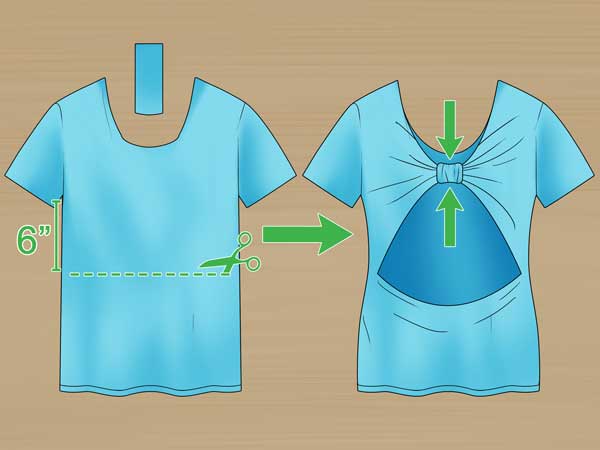
Key disciplines for small-batch cut-and-sew cotton garments:
- Pattern drafting — manual or digital CAD software
- Grain alignment — warp and weft orientation affects drape and stretch behavior in knit cotton
- Seam allowance standardization — typically ⅝ inch for US apparel patterns
- Hemming — cover stitch produces the professional finish standard on commercial knit cotton garments
- Fabric quantity calculation — knit cotton requires 10–15% overage for shrinkage and cutting waste
Fast Improvements for Better Results with 100% Cotton
Pre-Wash Protocol
Cotton shrinks 3–5% in the first wash due to relaxation of tension introduced during knitting. Skip pre-washing and the customer's first laundry cycle produces a garment that no longer fits correctly. Pre-wash all blanks before any decoration is applied. One cold-water cycle followed by tumble dry low is sufficient. The fabric is now dimensionally stable for printing and pressing.
Heat Press Settings for Cotton
Correct heat press parameters for most HTV on 100% cotton:
- Temperature: 305–320°F — check the specific vinyl manufacturer's datasheet for variance
- Pressure: Medium-firm — the platen should compress the fabric surface slightly
- Dwell time: 10–15 seconds for standard cut HTV
- Peel: Cold peel produces sharper vinyl edges on cotton — allow the transfer to cool fully before peeling the carrier sheet
Sewing Machine Maintenance
Cotton lint accumulates inside sewing machine housings faster than synthetic lint. The fiber is shorter and sheds more aggressively during cutting and stitching. Clean the bobbin area, feed dogs, and tension discs after every 4–6 hours of sewing on cotton. Lint buildup causes tension inconsistency and skipped stitches — both are avoidable with routine maintenance.
Storage and Garment Care
Finished cotton t-shirts — decorated or plain — store best folded, not hung. Hanging on thin wire hangers distorts shoulder seams over time. For maximum longevity:
- Wash cold — reduces ongoing shrinkage after the initial pre-wash
- Tumble dry low or hang dry — high heat accelerates cellulose fiber degradation
- Turn decorated shirts inside out before washing — reduces abrasion on pressed or printed surfaces
- Avoid chlorine bleach — degrades cellulose fiber bonds and yellows undyed white cotton
Frequently Asked Questions
Does 100% cotton shrink?
Yes. 100% cotton shrinks 3–5% in the first wash due to relaxation of tension introduced during knitting or weaving. Pre-washing blanks before decoration accounts for this shrinkage before the garment reaches the end customer. Subsequent washes produce minimal additional shrinkage when laundered in cold water on a standard cycle.
Can sublimation printing be used on 100% cotton t-shirts?
No. Sublimation dye requires polyester fiber to bond chemically. On 100% cotton, sublimation ink does not transfer permanently — the image fades or disappears after one wash cycle. Sublimation requires polyester fabric or polyester-coated substrates. HTV, DTG, and plastisol screen printing are the correct decoration methods for 100% cotton garments.
What is the difference between ring-spun and open-end cotton?
Ring-spun cotton yarn is produced by continuously twisting and thinning the fiber strand, yielding a stronger, softer, more uniform yarn with a smoother surface. Open-end (rotor) spinning is faster and cheaper but produces a slightly rougher, less consistent yarn. Ring-spun combed cotton blanks deliver a smoother print surface for DTG and finer HTV detail work. Open-end blanks are the correct choice for economy screen-print runs where surface smoothness is less critical than unit cost.
Next Steps
- Source sample blanks in three weight categories — 160 GSM, 180 GSM, and 200+ GSM — and run test presses with HTV before committing to a production run. Weight affects both adhesion and garment drape in ways that only hands-on testing confirms.
- Pre-wash every cotton blank before any decoration. One cold-water cycle, tumble dry low. This is non-negotiable for customer-facing finished garments — skip it and the first customer wash delivers a shirt that no longer fits.
- Calibrate heat press temperature to 305–320°F for cotton HTV work, set medium-firm pressure, and switch to cold peel for sharper vinyl edge definition on the finished garment.
- Review the Heat Press & Vinyl category on PalmGear for substrate-specific guides covering HTV selection, pressing parameters, and vinyl type comparisons across different fabric weights.
- Clean the sewing machine's bobbin area and feed dogs after every cotton sewing session — cotton lint accumulates faster than synthetic fiber and causes tension inconsistency and skipped stitches within just a few hours of use.


About Alice Davis
Alice Davis is a crafts educator and DIY enthusiast based in Long Beach, California. She spent six years teaching textile design and applied arts at a community college, where she introduced students to everything from basic sewing techniques to vinyl cutting machines and heat press printing as practical, production-ready tools. That classroom experience means she has put more sewing machines, embroidery setups, Cricut systems, and heat press units through real project work than most reviewers ever will. At PalmGear, she covers sewing machines and embroidery tools, vinyl cutters, heat press gear, Cricut accessories, and T-shirt printing guides.
You can get FREE Gifts. Or latest Free phones here.
Disable Ad block to reveal all the info. Once done, hit a button below