How To Make Vinyl Letters Stick To Wood
by Alice Davis
The answer to how to make vinyl letters stick to wood comes down to two non-negotiable fundamentals: a properly sealed surface and a vinyl grade rated for porous or textured materials. Wood grain, ambient moisture, and fiber irregularities are the primary obstacles to a lasting bond, and addressing these characteristics before application separates projects that last years from those that peel within weeks.
Vinyl lettering has become a standard technique in home décor workshops, custom signage studios, and craft spaces around the world. Whether the substrate is rough-sawn barn wood, smooth cabinet-grade plywood, or a piece of sealed furniture, the same foundational adhesion principles apply. Readers who want to explore the broader discipline of vinyl crafting will find the heat press and vinyl section at PalmGear a valuable resource covering related tools, materials, and cutting machine techniques.
Contents
- Common Mistakes That Prevent Vinyl Letters from Adhering to Wood
- Preparation Steps That Deliver Immediate Results
- Comparing Vinyl Types for Wood Surfaces
- How to Make Vinyl Letters Stick to Wood: A Step-by-Step Application Guide
- Essential Tools and Materials for the Job
- Best Practices for Long-Lasting Vinyl Adhesion on Wood
Common Mistakes That Prevent Vinyl Letters from Adhering to Wood
Skipping Surface Preparation
The most frequent cause of premature vinyl peeling is applying adhesive film directly to an untreated wood surface. Raw wood is inherently porous, meaning the adhesive seeps into the grain rather than bonding uniformly across a flat, consistent substrate. Even wood that appears smooth to casual inspection may contain enough microscopic texture variation to leave air pockets beneath the vinyl, and those pockets become lifting edges within days of application.
Many first-time crafters underestimate how much surface chemistry governs adhesive performance. A vinyl letter applied to a dusty, oily, or moisture-laden surface will begin to separate at the edges almost immediately, regardless of how much pressure is applied during installation. Eliminating these variables before the vinyl touches the wood is the single most impactful step in the entire process.
Choosing the Wrong Vinyl Grade
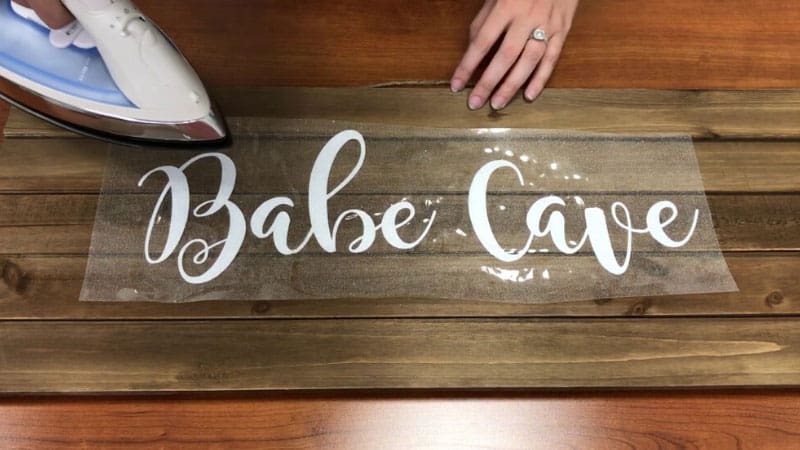
Not all vinyl is manufactured to perform on porous or textured substrates. Standard indoor calendered vinyl — a low-cost, pressure-sensitive film typically used on smooth walls and glass — lacks the conformability necessary to bridge even subtle wood grain patterns. Users who select removable vinyl for a permanent outdoor application, or who attempt to use heat-transfer vinyl on bare wood without an appropriate heat press, consistently encounter adhesion failures that no amount of additional burnishing will resolve.
Pro Tip: Always select permanent adhesive vinyl rated for rough or textured surfaces when working with unfinished or lightly finished wood. The adhesive chemistry differs substantially from standard smooth-surface indoor vinyl formulations.
Preparation Steps That Deliver Immediate Results
Cleaning and Sanding the Surface
Surface preparation begins with the removal of dust, grease, oil, and any remnants of old finish from the wood. A clean microfiber cloth dampened with isopropyl alcohol — rubbing alcohol at a concentration of at least 70 percent — removes most contaminants effectively without introducing excess moisture that could raise the wood grain. After cleaning, the surface must dry completely, with a minimum of 30 minutes at room temperature ensuring no residual solvent remains beneath the adhesive layer.
Light sanding with 220-grit sandpaper smooths raised grain fibers without creating deeper scratches that could trap adhesive unevenly. Sanding should always follow the direction of the grain to avoid cross-grain marks that become visible beneath lighter-colored or transparent vinyl. After sanding, the surface requires a second wipe with a dry, lint-free cloth to remove all sanding dust before sealing begins.
Sealing the Wood Before Application
Applying a thin, even coat of clear acrylic sealer or spray-on primer before placing the vinyl is the most reliable method for achieving durable adhesion on wood surfaces. The sealer fills the porous grain and creates a non-absorbent layer that holds adhesive uniformly across the entire contact area. This principle is foundational to professional sign-making and is consistent with established adhesive science principles documented by Wikipedia. One coat is typically sufficient for smooth to semi-smooth wood; rough-sawn surfaces benefit from two thin coats, with light sanding applied between layers.
Comparing Vinyl Types for Wood Surfaces
Permanent vs. Removable Vinyl
The choice between permanent and removable adhesive vinyl is among the most consequential decisions in any wood lettering project. Permanent vinyl uses an aggressive adhesive formulation engineered to bond reliably on challenging surfaces, including textured and lightly porous wood. Removable vinyl, by contrast, uses a repositionable adhesive suited only to smooth, non-porous substrates and short-term display applications. The table below provides a direct comparison of the vinyl types most commonly used on wood surfaces.
| Vinyl Type | Surface Suitability | Expected Durability | Best Use Case |
|---|---|---|---|
| Permanent Outdoor Vinyl | Rough and smooth sealed wood | 5–7 years | Exterior signs, garden markers |
| Permanent Indoor Vinyl | Smooth sealed wood | 3–5 years | Wall décor, furniture labels |
| Removable Vinyl | Smooth sealed surfaces only | 1–2 years | Temporary signage, seasonal décor |
| Heat-Transfer Vinyl (HTV) | Fabric only; unsuitable for bare wood | Varies by substrate | T-shirts, hats, fabric accessories |
| Specialty / Glitter Vinyl | Smooth sealed surfaces | 2–4 years | Decorative accents, gift items |
Specialty Finishes and Coatings
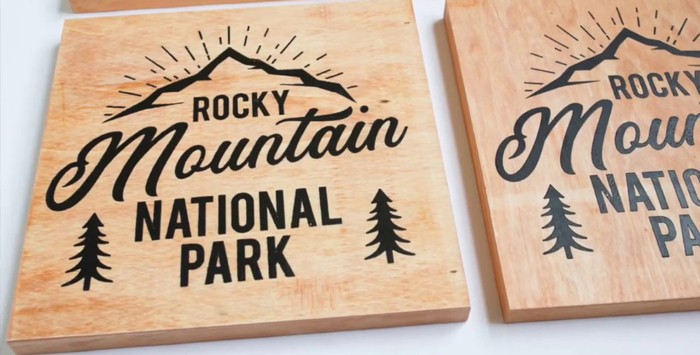
Gloss, matte, and satin finish vinyls each interact differently with wood surfaces during and after application. Gloss vinyl tends to reveal air bubbles and lifting edges more visibly under direct or angled light, making thorough burnishing especially critical with this finish type. Matte vinyl is more forgiving during application and integrates naturally with natural wood grain aesthetics, making it the preferred choice for rustic and farmhouse-style décor projects where a subdued surface appearance is the goal.
How to Make Vinyl Letters Stick to Wood: A Step-by-Step Application Guide
Cutting and Weeding the Design
The application process begins at the cutting machine, where the letter design is programmed and cut from a sheet of adhesive vinyl. Proper calibration of blade depth and cutting pressure is critical to achieving a clean cut that separates the vinyl film from the backing paper without scoring through it. Users who are new to their equipment should consult the guide on how to connect a vinyl cutter to a computer, as software configuration directly affects cut accuracy and consistency across complex letter designs.
Once cutting is complete, weeding begins — the process of removing excess vinyl from around and between the letters using a weeding hook, which is a fine-pointed tool designed to lift and peel unwanted film away from the design area. Careful, patient weeding is essential because small vinyl fragments that remain on the transfer tape will adhere to the wood surface unintentionally, creating marks that are difficult to remove without disturbing surrounding letters.
Transfer Tape and Burnishing
After weeding, the design is covered with application tape — commonly called transfer tape — which holds all letters in their correct relative positions during transfer to the wood. The tape is pressed firmly over the weeded design with a squeegee, the vinyl backing paper is then peeled away at a shallow 45-degree angle, and the entire assembly is positioned over the sealed wood surface. Alignment should be confirmed before any contact is made, as repositioning after initial adhesive contact risks stretching or tearing the vinyl.
With the design in position, pressure is applied from the center outward using the squeegee to eliminate air pockets before the transfer tape is removed slowly at a low angle. The methodical approach required here is comparable to the precision demanded in other DIY adhesive projects, such as those described in the guide on how to make a doormat at home, where consistent surface contact determines whether the final result holds firmly or fails prematurely.
Essential Tools and Materials for the Job
Cutting Equipment
A vinyl cutter — also known as a cutting plotter — is the foundational tool for producing precise letter shapes from adhesive vinyl sheets. Consumer-grade models from brands such as Cricut and Silhouette Cameo offer broad compatibility with beginner-friendly design software and are well-suited to home or small-studio use. For readers who have already explored automotive vinyl work, the cutter selection criteria and blade-depth guidance detailed in the guide on how to make car vinyl at home translate directly to wood lettering projects, particularly regarding film thickness and pressure settings.
Application and Finishing Tools
Beyond the cutting machine, the complete toolkit for a wood vinyl project includes a weeding hook, a hard-edge squeegee or dedicated burnishing tool, medium-tack transfer tape, isopropyl alcohol, 220-grit sandpaper, and spray-on clear acrylic sealer. A heat gun — a handheld device that emits a focused stream of hot air — can assist with pressing vinyl over slightly uneven grain, but must be used at a low temperature setting and kept in constant motion to prevent localized overheating of the adhesive layer.
Warning: Prolonged heat gun exposure in a single spot will cause the vinyl adhesive to soften and shift before it sets, resulting in misaligned letters that cannot be repositioned without damaging the wood surface beneath.
Best Practices for Long-Lasting Vinyl Adhesion on Wood
Applying a Protective Topcoat
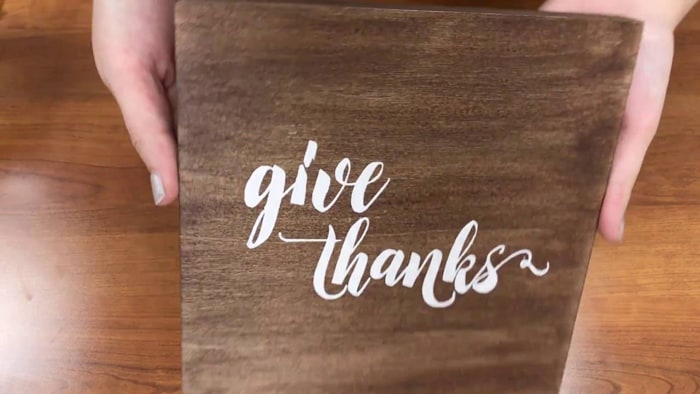
Once the vinyl letters are fully bonded to the wood — a process that benefits from a full 24-hour curing period before any handling or finishing — applying a clear topcoat over the entire surface, including the vinyl itself, dramatically extends the project's useful lifespan. The sealer locks the vinyl edges in place and forms a moisture barrier that prevents the primary long-term cause of adhesive failure on wood. Water-based polyurethane in a spray formulation is recommended because it resists yellowing over time and applies without brush marks that could distort the vinyl beneath.
Environmental and Storage Considerations
Wood expands and contracts with fluctuations in humidity and temperature, and this natural movement places mechanical stress on the vinyl adhesive layer over months and years. Projects intended for outdoor installation require an exterior-grade clear coat with UV inhibitors to prevent vinyl from fading and adhesive from degrading under sustained sunlight. Interior projects stored in climate-controlled environments with stable humidity enjoy significantly longer vinyl lifespans, often surpassing the manufacturer's stated durability rating by a considerable margin.
Readers who regularly work with adhesive-dependent craft materials will recognize this emphasis on environmental care from related disciplines, such as the precision fabric work described in guides on keeping embroidery floss organized, maintaining a sewing machine in proper working order, and constructing a hooded cloak with or without a sewing machine. In all of these disciplines, material care and controlled conditions determine whether a finished project holds together over time. Those who want to extend their vinyl skill set to fabric applications will find the techniques in the guide on how to heat press a hat an immediately useful complement to the wood-based methods covered here.
Next Steps
- Sand the target wood surface with 220-grit sandpaper along the grain direction, wipe away all dust with isopropyl alcohol, and allow the surface to dry for at least 30 minutes before applying any sealer or vinyl.
- Apply one to two thin coats of clear acrylic spray sealer to the prepared wood, allowing full drying time between coats, to create a non-porous, uniform bonding surface for the vinyl adhesive.
- Select a permanent adhesive vinyl rated for textured or rough surfaces, confirm the cutting machine's blade depth and pressure settings are calibrated for the chosen vinyl thickness, and cut and weed the letter design with care.
- Apply the vinyl letters to the sealed wood using transfer tape and a squeegee, working from the center outward to eliminate air pockets, then allow the adhesive to cure for a full 24 hours before proceeding to the finishing stage.
- Apply a clear protective topcoat — exterior-grade with UV inhibitors for outdoor projects, water-based polyurethane for indoor use — over the entire surface to seal the vinyl edges and protect the adhesive layer from moisture and mechanical wear.


About Alice Davis
Alice Davis is a crafts educator and DIY enthusiast based in Long Beach, California. She spent six years teaching textile design and applied arts at a community college, where she introduced students to everything from basic sewing techniques to vinyl cutting machines and heat press printing as practical, production-ready tools. That classroom experience means she has put more sewing machines, embroidery setups, Cricut systems, and heat press units through real project work than most reviewers ever will. At PalmGear, she covers sewing machines and embroidery tools, vinyl cutters, heat press gear, Cricut accessories, and T-shirt printing guides.