RV Gear ›
How to Clean an RV Air Conditioner Filter
by Jake Mercer
Have you ever wondered why your RV feels stuffy even with the air conditioner running at full power? The answer often lies in one overlooked component: the AC filter. Learning how to clean RV air conditioner filter components properly can restore airflow, reduce energy use, and extend the life of your unit. This guide covers everything — from cleaning frequency to step-by-step methods, common mistakes, and a long-term maintenance plan. Whether you are a full-time RVer or a weekend camper, this information applies to your setup. Explore more resources in our RV gear section for additional tips on keeping your rig in top condition.
Contents
Why Your RV AC Filter Matters
The Role of the Filter
Your RV air conditioner filter does more than trap dust. It protects the evaporator coil — the part that actually cools the air — from debris accumulation. It also improves the indoor air quality of your living space. Without a functional filter, allergens, mold spores, and fine particles circulate freely through your cabin.
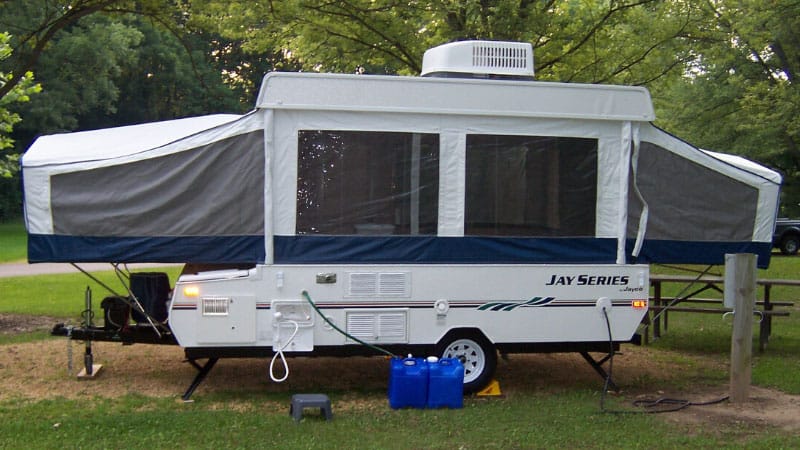
Most RV AC units use a foam or polyester mesh filter located behind the interior return air grille. Some rooftop models have two filters — one on each side of the unit. Consult your owner's manual to confirm the filter type and exact location for your specific model. Common RV AC brands include Dometic, Coleman-Mach, and Advent Air, and each has slightly different filter configurations.
What Happens When You Skip Cleaning
A clogged filter forces the AC compressor to work significantly harder. The consequences compound over time:
- Higher energy consumption and faster battery or generator drain
- Reduced cooling capacity — the cabin remains warmer than your set temperature
- Ice formation on the evaporator coil, which can cause water damage inside the unit
- Premature compressor failure — one of the most expensive RV repairs possible
- Musty or stale odors that circulate through the living space
- Increased humidity levels, which can promote mold growth on walls and upholstery
According to the U.S. Department of Energy, a dirty air filter can lower an AC unit's efficiency by 5–15 percent. In an RV, where power resources are limited, that loss adds up quickly. Just as you would stay on top of other critical systems — such as those covered in our guide on RV furnace troubleshooting — the AC filter deserves consistent attention.
When to Clean Your RV Air Conditioner Filter
Signs the Filter Needs Attention
Do not wait for a visible problem to develop. Watch for these indicators:
- Noticeably reduced airflow from the ceiling vents
- The unit runs longer than usual to reach the set temperature
- Visible gray or brown buildup on the filter mesh when the grille is lowered
- An unusual musty or dusty smell when the AC first starts
- Higher-than-normal power draw from your generator or shore power connection
- Condensation dripping from the interior grille
Any single sign warrants an immediate inspection. Two or more signs mean the filter requires cleaning that same day.
Recommended Cleaning Frequency
The correct cleaning interval depends on your usage pattern and environment. Use the table below as a practical guide:
| Usage Pattern | Recommended Cleaning Interval | Notes |
|---|---|---|
| Weekend camping (occasional use) | Every 30 days during active season | Lower exposure to dust and debris |
| Full-time RV living | Every 2 weeks | High continuous usage accelerates buildup |
| Desert or dusty environments | Weekly | Fine particles clog filters much faster |
| Campgrounds near trees or high pollen | Every 2–3 weeks | Organic debris accumulates quickly |
| Off-season storage | Before storing and before first use | Prevents mold growth during dormancy |

How to Clean RV Air Conditioner Filter: Step by Step
Tools and Supplies You Need
Gather these items before you begin. All of them are inexpensive and likely already in your RV or campsite kit:
- A soft-bristle brush or clean old toothbrush
- A vacuum cleaner with a brush attachment
- Mild dish soap — no harsh chemicals or degreasers
- Warm water in a basin, bucket, or utility sink
- A clean towel or several paper towels
- A flat, dry surface for the filter to air-dry on
- A flashlight for inspecting the filter and coil area
You do not need specialized or expensive equipment. The process is designed to be completed with basic household items in under 30 minutes.
The Cleaning Process
Follow each step in order. Skipping steps — particularly the power shutoff and drying stage — can lead to damage or mold.
- Turn off the AC unit completely. Switch it off at the thermostat, then shut off the breaker for the AC circuit. Do not skip this step.
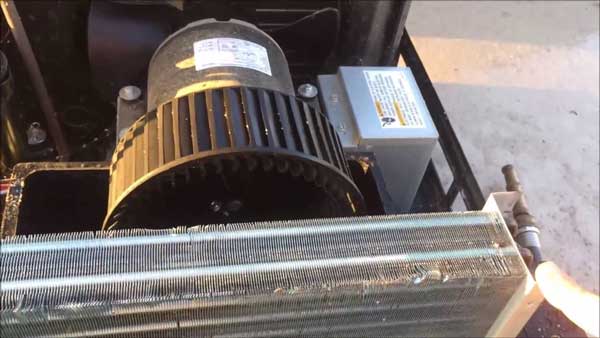
- Locate the interior return air grille. It is typically mounted on the ceiling of your RV, directly below the rooftop unit. Press the release tabs or remove the screws to lower it.
- Slide out the filter. Most foam or mesh filters slide out without tools. Note which direction it faces — you will reinstall it the same way.
- Dry brush or vacuum first. Remove loose dust before adding water. This prevents loose dirt from embedding deeper into the mesh when wet.
- Wash the filter. Submerge it in warm water with a few drops of dish soap. Gently work the soap through the mesh with your fingers or a soft brush. Avoid hard scrubbing.
- Rinse thoroughly. Run clean water through the filter until the water runs completely clear and no soap residue remains. Leftover soap restricts airflow and creates odors.
- Allow complete drying. Lay the filter flat on a clean towel in a ventilated area. Air-dry for a minimum of one to two hours. Installing a damp filter actively promotes mold growth inside the AC housing.
- Inspect before reinstalling. Check the filter for tears, holes, or persistent dark staining. Replace it if the material is compromised.
- Reinstall the filter. Slide it back in with the correct orientation. Snap or screw the grille back into place securely.
- Restore power and test. Turn the unit back on and run it for five minutes. Confirm that airflow is strong and even from all vents.
Cleaning Methods That Deliver Results
Dry Cleaning vs. Wet Cleaning
Both approaches are valid. Each suits a different situation and level of buildup:
- Dry cleaning — Ideal for light surface dust. Use a vacuum with a brush attachment or a soft-bristle brush to remove debris. This is quick and requires no drying time. It works well for maintenance checks between full washes.
- Wet cleaning — Necessary for heavy buildup, grease residue, or allergen contamination. Soap and water dissolve particles that vacuuming alone cannot remove. This method requires patience, as the filter must be completely dry before reinstallation.
For most users, a dry clean every two weeks combined with a full wet wash once per month produces the best results. Adjust this schedule upward if you frequently camp in dusty or high-pollen environments.
Vacuuming vs. Rinsing
Vacuuming is faster but less thorough. It works well for foam filters with light to moderate dust. Rinsing under running water is more effective for removing deeply embedded particles, oils, and biological matter.
Some users alternate between methods — vacuuming one session, rinsing the next. This balanced approach keeps the filter in good condition without requiring a full wet wash every time.
If you are camping in a remote location without access to running water, a dry vacuum session is far better than skipping maintenance entirely. A portable water container also works for rinsing in off-grid situations. Maintaining your RV properly across all systems is a similar principle to keeping internal plumbing clean — much like the practices described in our guide on how to clean and maintain your RV black tank.
Common Mistakes That Damage Your Filter
Mistakes During Removal
Many users inadvertently damage the filter or the surrounding components before the cleaning process even begins. Avoid these errors:
- Forcing the grille open — Plastic release tabs on interior grilles break easily. Inspect all four corners for hidden screws before applying any force.
- Not noting the filter's orientation — Installing it backwards blocks intended airflow and reduces efficiency just as much as a dirty filter would.
- Skipping the power shutoff — A running AC unit can draw loose debris directly into the evaporator coil the moment the filter is pulled away.
- Using sharp tools on foam filters — Screwdrivers, knives, or any pointed object can tear foam mesh permanently in seconds.
Mistakes During Cleaning and Reinstallation
Errors during the cleaning and reinstallation phase are equally damaging:
- Using harsh chemicals — Bleach, ammonia, or commercial degreasers break down foam and polyester mesh. Mild dish soap is sufficient and safe.
- Wringing or twisting foam filters — This tears the material and creates holes that allow unfiltered air through. Squeeze gently and press flat against a surface to drain water.
- Installing the filter while damp — Even slight moisture creates conditions for mildew inside the AC housing within days. Drying fully is not optional.
- Ignoring grille or frame damage — A cracked or warped grille does not seal against the ceiling properly. Replace damaged components before continued use.
- Skipping the post-installation test — Always run the unit for a few minutes after reinstallation. Listen for unusual sounds and confirm that airflow is consistent across all vents.
Pro Tips for Better Filter Maintenance
Quick Inspection Routine
Establishing a brief inspection habit eliminates most filter-related problems before they develop. Each time you arrive at a new campsite, take two minutes to check the filter:
- Lower the return air grille without removing the filter entirely.
- Use a small flashlight to illuminate the filter surface from the side.
- If light passes through the mesh freely and evenly, the filter is acceptable.
- If the mesh appears gray, dark, or patchy, schedule a cleaning that same day.
- While the grille is open, look for moisture, mold spots, or debris on the visible portions of the coil housing.
This inspection takes less time than filling a water tank. It also allows you to address problems before a hot travel day when you depend most on the AC.
Seasonal transitions are another key moment for a thorough filter inspection. Before and after winterizing your rig — as outlined in our step-by-step RV winterization guide — always wash and fully dry the AC filter. Moisture trapped in a dirty filter during months of storage leads to mold that is difficult and expensive to eliminate later.

When to Replace Instead of Clean
Not every dirty filter can be restored to serviceable condition. Replace your filter when any of the following are true:
- The foam or mesh is visibly torn, cracked, or has become brittle
- Repeated cleaning no longer restores a clean, open appearance to the mesh
- Persistent musty or chemical odors remain even after a thorough wash and full drying
- The filter has been in continuous use for more than two to three full camping seasons
- Dark mold staining covers more than one-quarter of the total filter surface area
- The filter has been exposed to flood water, sewage, or chemical spills
Replacement filters for most major RV AC brands are affordable and widely available at RV supply stores and online retailers. Do not postpone a replacement in the interest of saving a small amount of money — a failed filter leads to compressor damage that costs far more.
Cost Breakdown and Long-Term Maintenance Planning
DIY vs. Professional Cleaning
DIY filter cleaning costs almost nothing in materials. The supplies required — mild soap, water, a soft brush — are items you likely already own. The only investment is your time, which averages 20–30 minutes per complete cleaning session, including the drying period.
Professional RV AC servicing includes filter cleaning but goes further — coil inspection, refrigerant pressure checks, electrical connection testing, and drain pan cleaning. A full professional service is worthwhile once per season, typically before the peak summer camping period. Expect to pay between $75 and $175 for a complete RV AC service call, depending on your region and the technician's rates.
The value of professional service is not in filter cleaning alone. It is in the comprehensive inspection that catches issues — such as a developing refrigerant leak or a loose capacitor — before they become system failures mid-trip.
Filter Replacement Costs
Budgeting for periodic filter replacement is straightforward. Most RVers replace one to two filters per season under normal use. Use this as a reference:
- Generic foam filters: $8–$15 each
- OEM foam filters (Dometic, Coleman-Mach): $15–$25 each
- Polyester mesh filters: $10–$20 each
- Two-pack bundles: $18–$35 (the best value option for full-time RVers)
- Annual filter budget (typical): $20–$50 total
Keeping one or two spare filters in your RV storage compartment ensures you are never caught without a replacement during a trip. Pair this practice with stocking other consumables — water filters, fuses, and similar items — for an efficient and organized supply strategy.
Building Your Maintenance Schedule
A consistent schedule prevents the neglect that leads to expensive repairs. Consider the following practical framework:
- Weekly (high-use or dusty environments): Dry vacuum the filter surface. Visually inspect for damage or heavy buildup.
- Monthly (standard use): Complete wet wash and full air-dry. Inspect the return air grille for warping or cracks. Check the drain tray for standing water.
- Seasonal (beginning and end of camping season): Full wash plus coil inspection. Clean the exterior of the rooftop unit with a damp cloth. Replace the filter if it shows signs of wear.
- Annually: Schedule a professional RV AC service. Request a refrigerant level check and a complete electrical inspection of the unit.
Document each cleaning session in a simple log. A note in your phone or a small notebook kept in the RV works well. This record demonstrates responsible maintenance to future buyers if you ever decide to sell. Proactive care across all RV systems — cooling, heating, plumbing, and electrical — is the foundation of reliable travel and long-term ownership value.
Frequently Asked Questions
How often should I clean my RV air conditioner filter?
The recommended interval depends on your usage. Full-time RVers should clean the filter every two weeks. Occasional campers can clean it monthly during the active season. In dusty or high-pollen environments, weekly cleaning is advisable. Always clean the filter at the start and end of each camping season regardless of usage frequency.
Can I use a dishwasher to clean my RV AC filter?
This is not recommended. The high heat and harsh detergents used in dishwashers can warp foam filters and degrade the bonding agents in polyester mesh filters. Hand-washing in warm water with mild dish soap is the safest and most effective method. It takes only a few minutes and preserves the filter's structural integrity.
What type of soap is safe for cleaning an RV AC filter?
Use a mild dish soap such as Dawn or a comparable gentle formula. Avoid bleach, ammonia-based cleaners, enzyme-based degreasers, or any product with a strong chemical smell. Harsh chemicals degrade foam and polyester mesh materials and can leave residues that produce odors when the unit operates.
How do I know when to replace the filter rather than clean it again?
Replace the filter when the material is torn, brittle, or permanently discolored. If cleaning no longer restores a clean appearance to the mesh, or if mold staining covers more than one-quarter of the surface, the filter is no longer serviceable. Most filters last two to three full camping seasons with proper care before replacement becomes necessary.
Is it safe to run my RV AC without the filter installed?
Operating the AC without a filter is not recommended, even briefly. Without the filter, dust, insects, pet dander, and other particles accumulate directly on the evaporator coil. Debris embedded in the coil fins is extremely difficult to remove and significantly reduces cooling performance over time. Always keep a spare filter on hand so you are not tempted to run the unit unprotected.
Can a dirty RV AC filter cause the unit to freeze up?
Yes. A severely clogged filter restricts airflow over the evaporator coil. When airflow drops below the minimum required level, the coil surface temperature falls below the dew point and ice forms on the fins. This ice blockage further restricts airflow, creating a cycle that can damage the compressor. If you see ice or frost around the interior grille, turn off the unit and inspect the filter immediately.
How long does an RV AC filter need to dry before reinstalling it?
Allow at least one to two hours of drying time in a well-ventilated area. In humid conditions, extend the drying period to three to four hours. You can speed up drying by placing the filter near a fan or in direct sunlight. Never use a hair dryer or heat gun, as concentrated heat can warp or melt foam materials. The filter must be completely dry — not just surface-dry — before reinstallation.
Do all RV air conditioners have washable filters?
Most RV AC units designed for residential-style use — including popular models from Dometic and Coleman-Mach — use washable foam or mesh filters that can be cleaned and reused. Some older or commercial-grade units use disposable pleated paper filters that must be replaced rather than washed. Check your owner's manual or the filter itself for a cleaning or replacement indicator. When in doubt, contact the manufacturer directly for confirmation.
Final Thoughts
Knowing how to clean RV air conditioner filter components is one of the simplest and highest-return maintenance tasks available to any RV owner. Start today by lowering your interior grille and inspecting what is inside — if it has been more than a month since your last cleaning, wash the filter this afternoon. A 20-minute investment now protects a system that costs hundreds or thousands of dollars to repair or replace. Do not let a clogged filter be the reason your trip becomes uncomfortable or your cooling unit fails mid-summer.


About Jake Mercer
Jake Mercer spent twelve years behind the wheel as a long-haul trucker, covering routes across the continental United States and logging well over a million miles. That career gave him an unusually thorough education in CB radio equipment — he has tested base station antennas, magnetic mounts, coax cables, and handheld units in real-world conditions where reliable communication actually matters. After leaving trucking, Jake transitioned to full-time RV travel and has since put hundreds of RV accessories through their paces across national parks, boondocking sites, and full-hookup campgrounds from Montana to Florida. At PalmGear, he covers RV gear and accessories, CB radios, shortwave receivers, and handheld radio equipment.
You can get FREE Gifts. Or latest Free phones here.
Disable Ad block to reveal all the info. Once done, hit a button below