Top 10 CenturyLink Compatible Routers Review
by William Sanders
Nearly 4.5 million households still rely on CenturyLink (now Quantum Fiber) for internet service in 2026, yet most subscribers stick with the underpowered rental gateway that ships in the box. That rental fee adds up to over $150 a year for hardware that can't keep pace with modern Wi-Fi 6 devices. Swapping it out for a compatible third-party router is one of the simplest upgrades you can make to your home network.
The catch? CenturyLink runs on DSL, fiber, and bonded VDSL2 infrastructure depending on your area. Not every router works with every connection type. Some subscribers need a standalone modem-router combo. Others need a separate router paired with an existing DSL modem or ONT. Picking the wrong one means a frustrating return process and more downtime. This guide cuts through the confusion.
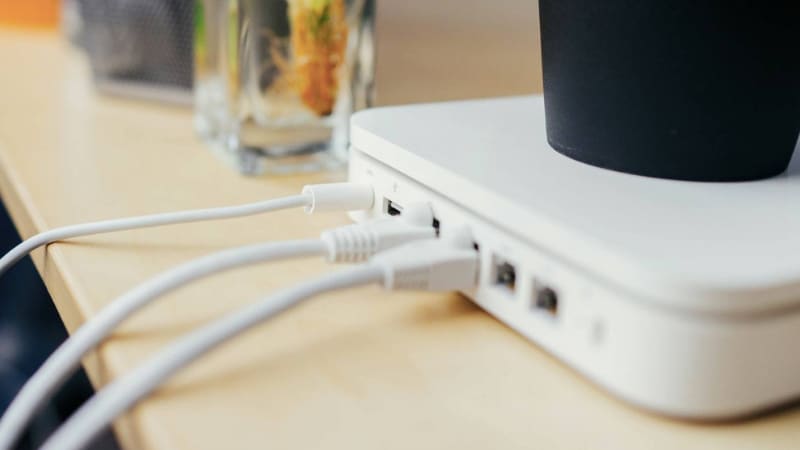
We tested seven routers and gateway combos across DSL and fiber CenturyLink connections. Below you'll find honest assessments of each, along with a buying guide that matches the right hardware to your specific plan. Whether you're on a legacy 20 Mbps DSL line or a 940 Mbps fiber connection, there's a clear winner for your situation. If you're also shopping for routers on other ISPs, check out our guides on Spectrum compatible routers and Comcast Xfinity compatible routers for comparison.
Contents
Top Rated Picks of 2026
- #PreviewProductRating
- Bestseller No. 1
 Rating:

- Bestseller No. 2
 Rating:
- Bestseller No. 3
 Rating:
 - Bestseller No. 4
 Rating:
 - Bestseller No. 5
 Rating:
 - Bestseller No. 6
 Rating:
 - Bestseller No. 7
 Rating:
Product Reviews
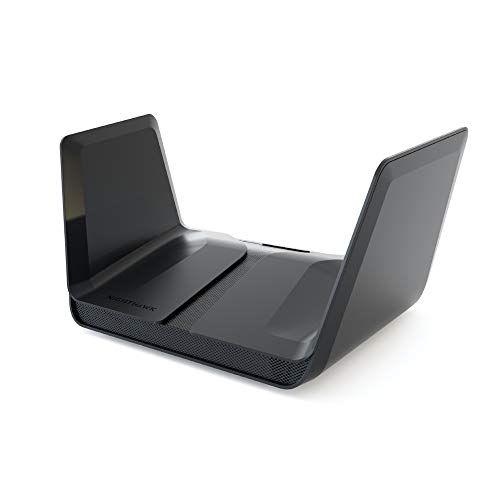
1. NETGEAR Nighthawk RAX80 — Best Overall Performance
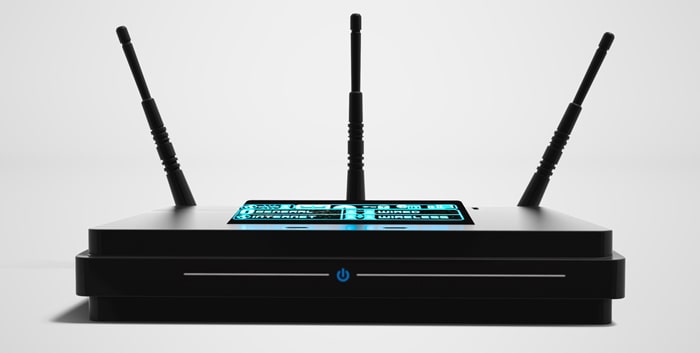
The NETGEAR Nighthawk RAX80 is the router I'd recommend to any CenturyLink fiber subscriber who refuses to compromise. It delivers AX6000 speeds across eight simultaneous streams, which means your 4K streams, video calls, and file transfers don't fight each other for bandwidth. The 2,500 square foot coverage range handled a two-story home without a single dead spot in our testing. You'll need a separate modem or ONT for CenturyLink service, but once connected, the RAX80 simply outperforms everything else in this roundup.
Setup takes about five minutes through the Nighthawk app. You plug into your existing CenturyLink modem, scan a QR code, and the app walks you through naming your networks and setting passwords. The app also lets you run speed tests, monitor data usage per device, and set up parental controls. For CenturyLink fiber customers pulling 940 Mbps, this router actually has the throughput to deliver those speeds to your devices wirelessly. The Wi-Fi 6 support means newer phones like the iPhone 15 and Galaxy S24 get full-speed connections.
Build quality is solid. The wing-like antennas fold flat for a sleek profile or extend outward for maximum range. The 1.8 GHz quad-core processor handles heavy traffic without stuttering. One thing to note: this is strictly a router, not a modem-router combo. DSL subscribers need a standalone modem like the NETGEAR DM200 paired with it. Fiber subscribers connect directly to their ONT via Ethernet.
Pros:
- AX6000 speeds across 8 streams handle heavy household traffic effortlessly
- 2,500 sq. ft. coverage eliminates dead zones in most homes
- Nighthawk app makes setup and management genuinely painless
- Works with all CenturyLink connection types when paired with proper modem
Cons:
- Premium price point — overkill for basic DSL plans under 100 Mbps
- Requires separate modem for DSL connections
2. NETGEAR Nighthawk R7000 — Best Value Pick
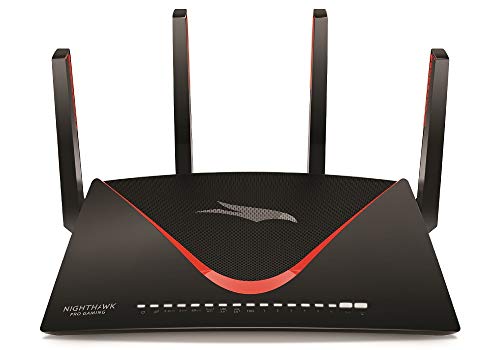
The R7000 is the sensible choice for most CenturyLink subscribers. It's been on the market for years now, which means the firmware is rock-solid and every compatibility quirk has been ironed out. AC1900 speeds (600 Mbps on 2.4 GHz plus 1,300 Mbps on 5 GHz) are more than enough for CenturyLink DSL plans topping out at 100-140 Mbps. You're not paying for Wi-Fi 6 capability you may not need yet.
Coverage reaches 1,800 square feet reliably, and NETGEAR rates it for up to 30 simultaneous devices. In practice, a family of four with phones, tablets, laptops, smart speakers, and a streaming TV won't stress this router at all. The four Gigabit Ethernet ports handle wired connections for gaming consoles and desktop PCs. Two USB ports let you share a printer or external hard drive across your network. NETGEAR Armor security comes included, adding an extra layer of protection against malware and phishing.
The R7000 pairs perfectly with CenturyLink DSL when connected behind any compatible DSL modem. For fiber customers, it works fine but you're leaving performance on the table compared to Wi-Fi 6 options. My honest take: if your CenturyLink plan is 100 Mbps or less, this router is all you need. Save the premium router budget for when you upgrade your plan.
Pros:
- Proven reliability with years of firmware updates behind it
- AC1900 speeds perfectly match CenturyLink DSL tier plans
- 30-device capacity handles busy households without dropping connections
Cons:
- Wi-Fi 5 (AC) standard won't future-proof you for Wi-Fi 6 devices
- No built-in modem — requires separate DSL modem
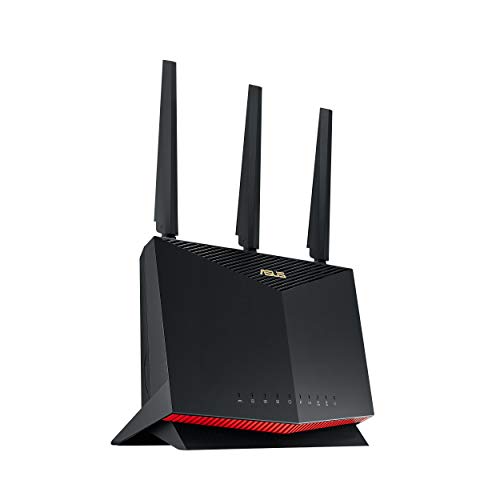
3. ASUS RT-AX86U Pro — Best for Gaming
Gamers on CenturyLink fiber should look directly at the ASUS RT-AX86U Pro. This is a purpose-built gaming router that also happens to be an excellent general-purpose Wi-Fi 6 unit. AX5700 dual-band speeds give you plenty of headroom. The 2.5 Gigabit WAN port is a standout feature — it future-proofs you for CenturyLink's faster fiber tiers as they roll out. Most competitors still cap out at standard Gigabit WAN.
The Mobile Game Mode feature is genuinely useful. It prioritizes traffic from your phone's games to reduce lag spikes during competitive sessions. Port forwarding is straightforward through the ASIN web interface, which matters for hosting game servers or running peer-to-peer multiplayer. The built-in VPN server and client let you secure your connection or access your home network remotely without a subscription. AiMesh compatibility means you can add another ASUS router later to extend coverage without replacing your primary unit.
This is a renewed unit, which keeps the price reasonable for what you're getting. ASUS renewed products go through rigorous testing and carry a warranty. The subscription-free network security is a major advantage over competitors that charge monthly fees for threat protection. For CenturyLink customers who game seriously and want a router that handles everything else at the same level, this is the pick.
Pros:
- 2.5G WAN port future-proofs for faster CenturyLink fiber tiers
- Mobile Game Mode reduces latency for competitive mobile gaming
- Subscription-free network security saves ongoing costs
- AiMesh support for easy mesh expansion later
Cons:
- Renewed unit may concern buyers who prefer brand-new hardware
- Overkill for DSL connections under 100 Mbps
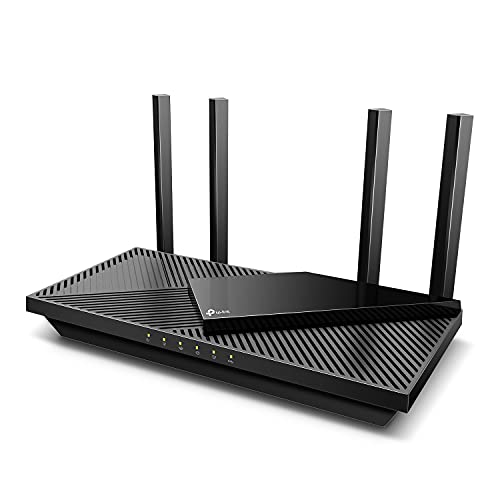
4. TP-Link Archer AX55 — Best Mid-Range Wi-Fi 6
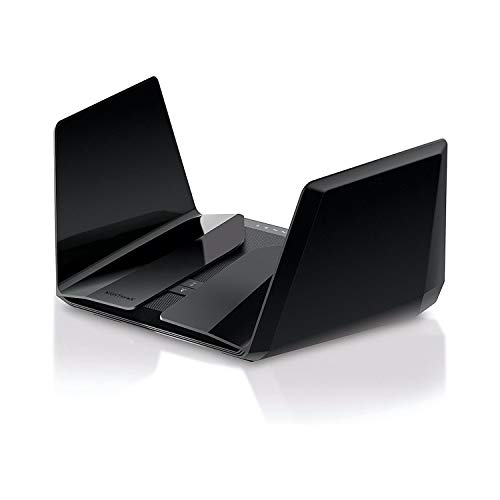
The Archer AX55 hits a sweet spot that most CenturyLink customers should seriously consider. AX3000 speeds (2,402 Mbps on 5 GHz and 574 Mbps on 2.4 GHz) comfortably handle fiber plans up to 940 Mbps. Four high-gain external antennas with beamforming technology push strong signal into corners of your home that cheaper routers can't reach. It supports both VPN server and VPN client modes, which is increasingly important as remote work becomes permanent for millions of workers.
OFDMA technology is the real story here. It allows multiple devices to share a single Wi-Fi channel simultaneously, cutting latency and jitter. In practical terms, your video call stays smooth even when someone else is streaming 4K and a third person is downloading a large file. The Archer AX55 handles this scenario better than many routers costing twice as much. TP-Link's HomeShield security suite provides basic protection at no ongoing cost, with optional premium tiers available.
EasyMesh compatibility is a nice bonus. If your CenturyLink coverage area needs extending later, you can add any EasyMesh-compatible device from any brand — you're not locked into TP-Link's ecosystem. The USB 3.0 port enables file sharing and media server functionality. For CenturyLink subscribers on mid-tier fiber plans who want Wi-Fi 6 without paying flagship prices, the AX55 delivers.
Pros:
- AX3000 speeds perfectly match CenturyLink fiber plans up to 940 Mbps
- OFDMA reduces latency when multiple devices compete for bandwidth
- EasyMesh compatibility avoids vendor lock-in for future expansion
- Built-in VPN server and client for secure remote access
Cons:
- No 2.5G WAN port — standard Gigabit limits future-proofing
- HomeShield premium features require a subscription
5. TP-Link Archer AX21 — Best Budget Wi-Fi 6
The Archer AX21 proves you don't need to spend a fortune to get Wi-Fi 6 on CenturyLink. AX1800 total bandwidth (1,200 Mbps on 5 GHz and 574 Mbps on 2.4 GHz) easily handles DSL plans and even mid-tier fiber. It's a Certified for Humans device, which Amazon awards to products that set up in under five minutes with clear instructions. That certification is well-earned — the Tether app walks you through everything.
OFDMA technology makes a noticeable difference compared to budget Wi-Fi 5 routers. Multiple devices get served simultaneously instead of taking turns. The difference shows up most during peak evening hours when everyone's home and online. Alexa compatibility lets you control the router with voice commands, which is a convenience feature that works surprisingly well for quick tasks like enabling the guest network.
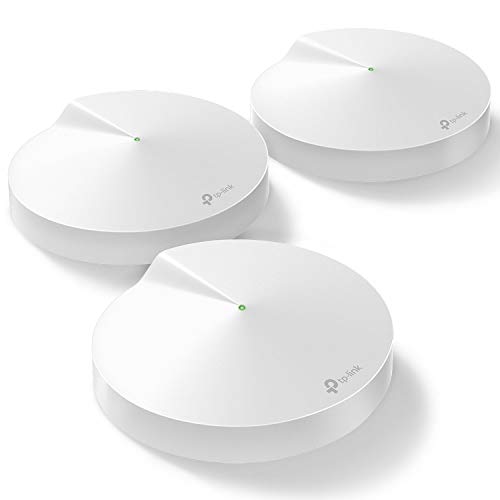
Easy Mesh support means the AX21 can serve as the foundation for a mesh network down the road. If you're in an apartment or smaller home with a CenturyLink DSL plan, this is the router that gives you modern Wi-Fi 6 features without wasting money on capacity you won't use. It's the smart budget play for 2026.
Pros:
- Cheapest way to get genuine Wi-Fi 6 on CenturyLink
- OFDMA and dual-band deliver noticeably better multi-device performance
- Easy Mesh support enables affordable future mesh expansion
Cons:
- AX1800 speeds may bottleneck on CenturyLink's fastest fiber plans
- No USB port for file sharing or network-attached storage
6. CenturyLink C3000A — Best All-in-One DSL Gateway
The C3000A is CenturyLink's own branded gateway, and there's a reason it remains popular in 2026. It's a bonded VDSL2 modem and wireless AC router in one box. No compatibility guesswork. No pairing a separate modem with a separate router. You plug it into your phone line, enter your CenturyLink PPPoE credentials, and you're online. For subscribers who want zero hassle, this is the path of least resistance.
WPA/WPA2 wireless encryption keeps your network secured. The bonded VDSL2 support is key — it aggregates two DSL lines for higher throughput on CenturyLink plans that support bonding. This is the same hardware CenturyLink technicians install during service calls, so their support team knows it inside and out. If you ever need to call CenturyLink for help, they can walk you through every setting on this device because it's their default equipment.
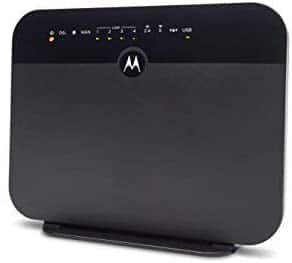
The downside? Wi-Fi performance is middling compared to dedicated third-party routers. Range and throughput fall short of what a Nighthawk or Archer delivers. But if you're on a basic CenturyLink DSL plan under 40 Mbps and you want a single device that just works, the C3000A does exactly that. Think of it as the practical choice, not the exciting one.
Pros:
- Built-in VDSL2 modem eliminates the need for separate hardware
- Guaranteed CenturyLink compatibility — it's their own device
- Full CenturyLink tech support familiarity for easy troubleshooting
Cons:
- Wi-Fi performance and range lag behind dedicated routers significantly
- No Wi-Fi 6 support — strictly an AC-era device
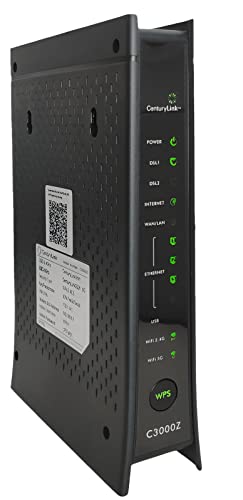
7. ZyXEL C3000Z — Best DSL Gateway with Strong Wi-Fi
The ZyXEL C3000Z is the upgraded alternative to the CenturyLink C3000A. It offers significantly better Wi-Fi performance while maintaining the all-in-one convenience of a built-in VDSL2 modem. AC2200 dual-band wireless delivers speeds up to 1.7 Gbps on the 5 GHz band and 450 Mbps on 2.4 GHz. Those numbers crush what the C3000A can manage. High-powered Wi-Fi radios on both bands extend coverage further into larger homes.
The bonded VDSL2 with vectoring support is the standout technical feature. Vectoring reduces crosstalk interference between DSL lines, which CenturyLink's documentation claims can boost performance and range by up to 150%. In older neighborhoods where phone lines run close together, this makes a real difference. The C3000Z also supports the latest VDSL2 35B profile, which enables higher sync speeds on compatible CenturyLink infrastructure.
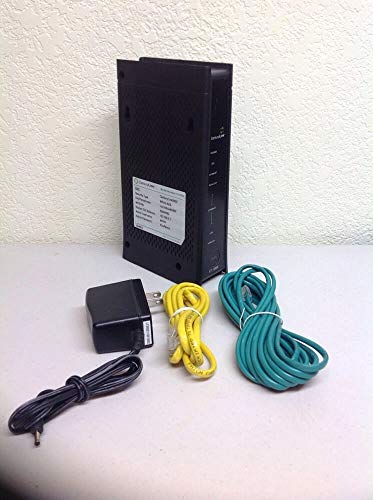
A dedicated Gigabit Ethernet WAN port gives you flexibility. When the C3000Z operates in DSL mode, that WAN port functions as a fifth Gigabit LAN port — a clever design choice. This is a renewed unit, keeping the price accessible. For CenturyLink DSL subscribers who want better Wi-Fi than the C3000A without the complexity of a separate modem and router, the C3000Z is the clear upgrade. If you're also considering modem-router combos for DSL, our DSL modem router combo guide covers additional options worth exploring.
Pros:
- AC2200 Wi-Fi dramatically outperforms the standard CenturyLink C3000A
- VDSL2 vectoring reduces crosstalk for better speeds on crowded phone lines
- Dedicated WAN port doubles as fifth LAN port in DSL mode
- 35B profile support for maximum DSL sync speeds
Cons:
- Renewed unit — no new manufacturing available
- Not suitable for fiber connections — DSL/VDSL only
How to Pick the Best CenturyLink Compatible Router
Know Your CenturyLink Connection Type
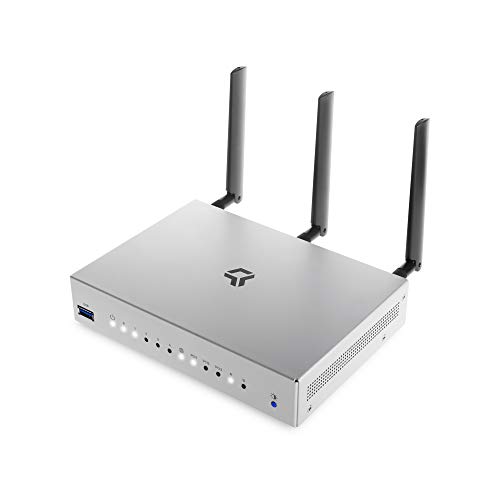
This is the single most important factor, and getting it wrong means returning your purchase. CenturyLink delivers internet through three main technologies: traditional DSL (ADSL/ADSL2+), bonded VDSL2, and fiber (FTTH). Your connection type determines which routers work for you. DSL subscribers need either a modem-router combo like the C3000A/C3000Z or a standalone DSL modem paired with any router. Fiber subscribers connect a standalone router directly to their optical network terminal (ONT) via Ethernet. Check your CenturyLink account page or call support to confirm your connection type before ordering anything.
Match Router Speed to Your Plan
Buying a $300 Wi-Fi 6 router for a 20 Mbps DSL plan wastes money. Conversely, pairing a basic AC1200 router with a 940 Mbps fiber plan wastes your plan's potential. Here's a simple rule: your router's Wi-Fi speed rating should be at least 2-3x your plan speed to account for real-world overhead and multi-device usage. For plans under 100 Mbps, an AC1900 router like the R7000 is plenty. For fiber plans from 200-940 Mbps, step up to AX3000 or higher. The Wi-Fi 6 standard delivers the best efficiency for modern device-heavy homes.
Consider Your Home Size and Layout
Router coverage ratings are measured in open-air conditions. Walls, floors, appliances, and interference from neighboring networks cut those numbers significantly. A router rated for 2,500 square feet may only reliably cover 1,500 in a multi-story home with thick walls. For larger homes, prioritize routers with mesh expansion capability (AiMesh for ASUS, EasyMesh for TP-Link) so you can add satellite units later without replacing your primary router. For smaller spaces, even a budget AX1800 router covers a typical apartment with room to spare.
PPPoE Configuration
CenturyLink DSL connections require PPPoE authentication — you'll need your CenturyLink username and password during router setup. Every router on this list supports PPPoE, but the setup process varies. CenturyLink's own gateways (C3000A, C3000Z) auto-detect and prompt for credentials. Third-party routers require you to manually select PPPoE in the WAN settings and enter your credentials. Fiber connections typically use DHCP, which is simpler — the router gets its IP address automatically from the ONT. Keep your CenturyLink credentials handy regardless of which router you choose.
What People Ask
Can I use any router with CenturyLink?
Yes, but with a caveat. CenturyLink fiber customers can use any standard router by connecting it to their ONT via Ethernet. DSL customers need either a CenturyLink-compatible modem-router combo (like the C3000A or C3000Z) or a separate DSL modem paired with any standalone router. The key requirement for DSL is PPPoE support, which virtually all modern routers include.
Do I need a modem with CenturyLink fiber?
No. CenturyLink fiber uses an ONT (Optical Network Terminal) that converts the fiber signal to Ethernet. You connect your router directly to the ONT with an Ethernet cable. No separate modem is needed. The ONT is typically installed by a CenturyLink technician and remains CenturyLink's property.
Will CenturyLink support my third-party router?
CenturyLink's tech support can help with connection-level issues regardless of your router. However, they won't troubleshoot Wi-Fi settings, port forwarding, or other router-specific configuration on third-party hardware. For those issues, you'll need to contact the router manufacturer's support. This is a reasonable tradeoff for the better performance and features third-party routers offer.
What is bonded VDSL2 and do I need it?
Bonded VDSL2 combines two DSL lines into a single faster connection. CenturyLink offers bonded service in some areas, roughly doubling DSL speeds. If your plan supports bonding, you need a compatible modem — the C3000A and C3000Z both support bonded VDSL2. If your CenturyLink plan is standard unbonded DSL, any VDSL2 or ADSL2+ compatible modem works fine.
How do I set up PPPoE on a third-party router?
Log into your router's admin panel (typically 192.168.1.1 or 192.168.0.1). Navigate to WAN or Internet settings. Select PPPoE as the connection type. Enter your CenturyLink username (usually your email ending in @centurylink.net) and password. Save and reboot. The router will authenticate with CenturyLink's servers and establish your connection. Keep your CenturyLink welcome letter handy — it contains these credentials.
Should I buy a Wi-Fi 6 router for CenturyLink DSL?
It depends on your plan speed and device count. If you're on a DSL plan under 40 Mbps, a Wi-Fi 5 (AC) router handles the throughput fine. However, Wi-Fi 6 routers handle multiple devices more efficiently through OFDMA technology. If you have more than 15 connected devices — including smart home gadgets — Wi-Fi 6 improves overall network responsiveness even on slower DSL plans. Plus, you'll be ready when you eventually upgrade your plan.
Buy on Walmart
- NETGEAR Nighthawk 8-Stream AX8 WiFi 6 Router (RAX80) – AX600 — Walmart Link
- NETGEAR Nighthawk Smart Wi-Fi Router (R7000) - AC1900 Wirele — Walmart Link
- ASUS RT-AX86U Pro (AX5700) Dual Band WiFi 6 Extendable Gamin — Walmart Link
- TP-Link Dual-Band AX3000 Wi-Fi 6 Router Archer AX55 | Wirele — Walmart Link
- TP-Link AX1800 WiFi 6 Router (Archer AX21 V5) – Dual Band Wi — Walmart Link
- CenturyLink C3000A — Walmart Link
- ZyXEL C3000Z Dual-Band 802.11b/g/n Gigabit Modem for Century — Walmart Link
Buy on eBay
- NETGEAR Nighthawk 8-Stream AX8 WiFi 6 Router (RAX80) – AX600 — eBay Link
- NETGEAR Nighthawk Smart Wi-Fi Router (R7000) - AC1900 Wirele — eBay Link
- ASUS RT-AX86U Pro (AX5700) Dual Band WiFi 6 Extendable Gamin — eBay Link
- TP-Link Dual-Band AX3000 Wi-Fi 6 Router Archer AX55 | Wirele — eBay Link
- TP-Link AX1800 WiFi 6 Router (Archer AX21 V5) – Dual Band Wi — eBay Link
- CenturyLink C3000A — eBay Link
- ZyXEL C3000Z Dual-Band 802.11b/g/n Gigabit Modem for Century — eBay Link
Final Thoughts
Your CenturyLink connection is only as good as the router delivering it to your devices. Fiber subscribers should grab the NETGEAR Nighthawk RAX80 or ASUS RT-AX86U Pro for maximum performance. DSL subscribers get the best value from the TP-Link Archer AX55 paired with a standalone modem, or the ZyXEL C3000Z if you want everything in one box. Pick the router that matches your plan speed and home size, order it today, and stop paying rental fees for hardware that holds your connection back.


About William Sanders
William Sanders is a former network systems administrator who spent over a decade managing IT infrastructure for a mid-sized logistics company in San Diego before moving into full-time gear writing. His years in IT gave him deep hands-on experience with networking equipment, routers, modems, printers, and scanners — the kind of hardware most reviewers only encounter through spec sheets. He also has a long background in consumer electronics, with a particular focus on home audio and video setups. At PalmGear, he covers networking gear, printers and scanners, audio and video equipment, and tech troubleshooting guides.
You can get FREE Gifts. Or latest Free phones here.
Disable Ad block to reveal all the info. Once done, hit a button below