RV Gear ›
How Much To Rent An RV For a Week Or a Month?
by Jake Mercer
Renting an RV for a week typically costs $100–$300 per night depending on class and season. A monthly rental runs $1,500–$5,000 or more. Knowing how much to rent an RV for a week or a month — and what drives those numbers — keeps your budget tight and your trip on track.
RV rental pricing is not one-size-fits-all. Class, mileage caps, insurance, generator fees, and peak-season surcharges all stack up fast. This guide breaks down the real numbers, the smart timing windows, and the gear decisions that separate a smooth trip from an expensive one. PalmGear covers the full RV gear ecosystem, so you get the practitioner's view — not the brochure version.
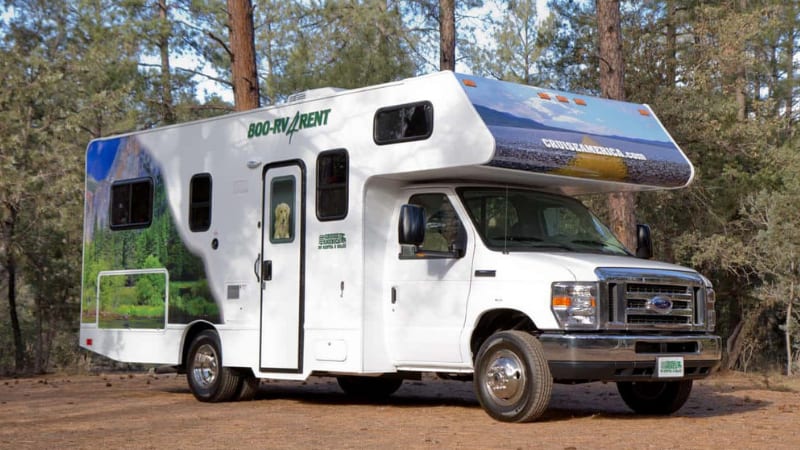
Contents
When RV Rental Makes Sense — And When It Doesn't
The Right Conditions to Rent
RV rental is the right move in specific scenarios. Recognizing them saves you from both over-committing and under-planning.
- Testing the lifestyle. Before spending $50K–$200K on ownership, a rental proves whether you can live in 200–400 square feet for a week.
- One-off annual trips. If you camp fewer than 3 weeks per year, renting almost always beats depreciation on an owned unit.
- Peak-destination timing. National park corridors during shoulder season — spring and fall — offer the best rate-to-availability ratio.
- Group travel. A Class A or large Class C sleeps 6–8. Split per-person costs often undercut hotel plus rental car combinations.
- Avoiding storage fees. RV storage runs $50–$300/month depending on covered vs. outdoor. Renters skip that entirely.
When Renting Costs You More Than It Should
- Peak summer weekends. Memorial Day through Labor Day drives nightly rates 30–60% higher than shoulder season baselines.
- Last-minute bookings. Premium inventory disappears 60–90 days out for popular markets. Late bookers get entry-level units at elevated prices.
- Short sub-3-night rentals. Most platforms enforce 3-night minimums. Booking 2 nights often bills you for 3 anyway.
- High-mileage routes. Many rentals include only 100–150 miles/day. Overages run $0.25–$0.45/mile. A 3,000-mile road trip can add $500+ in fees alone.
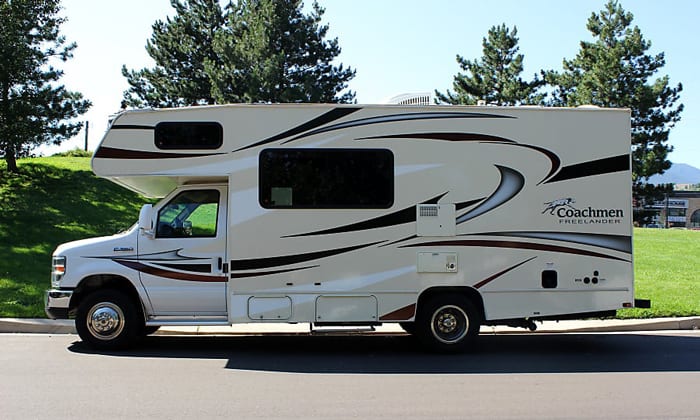
RV Rental Pricing Breakdown by Class and Duration
Understanding how much to rent an RV for a week or a month requires knowing the class tiers. Each tier has a distinct nightly baseline, and duration discounts are real but not guaranteed.
Weekly Rental Rates
| RV Class | Nightly Rate (Off-Peak) | Nightly Rate (Peak) | Estimated Weekly Total |
|---|---|---|---|
| Class B (Campervan) | $100–$150 | $175–$250 | $700–$1,750 |
| Class C (Mid-Size) | $150–$200 | $225–$300 | $1,050–$2,100 |
| Class A (Full-Size) | $200–$275 | $300–$450 | $1,400–$3,150 |
| Travel Trailer (tow) | $75–$125 | $125–$200 | $525–$1,400 |
| Fifth Wheel | $125–$175 | $175–$275 | $875–$1,925 |
These figures exclude generator fees ($25–$40/day), insurance ($15–$40/day), and campsite costs ($20–$80/night). Budget an additional 30–40% above the base rental rate for all-in weekly spend.
Monthly Rental Rates
Monthly rentals typically unlock a 15–25% discount over the equivalent per-night rate. Most platforms offer this automatically after 21–28 consecutive nights.
- Class B campervan: $1,500–$3,500/month
- Class C: $2,500–$5,000/month
- Class A: $4,000–$8,000/month
- Travel trailer: $1,200–$2,800/month
Long-term renters should also factor in propane consumption. Running a standard RV refrigerator in propane mode costs roughly 1–1.5 lbs of propane per day. For more detail, see our breakdown of how much propane an RV refrigerator uses — it affects your monthly fuel budget more than most renters anticipate.
Hidden Fees to Watch
- Mileage overages: $0.25–$0.45/mile beyond the daily cap
- Generator hours: Many units cap free generator use at 3–4 hours/day
- Cleaning fee: $75–$250 flat on return, waived if you clean properly
- Pet fee: $50–$150 per trip — not always disclosed upfront
- Prep/setup fee: Some dealers charge $50–$150 for pre-trip orientation
- Late return: Often billed at 1.5× the daily rate per hour
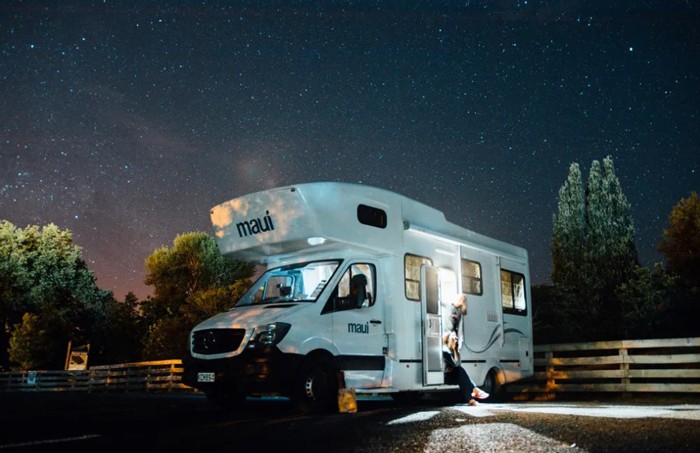
The Best Use Cases for Short vs. Long-Term Rentals
Duration shapes everything: the class you need, the gear you bring, and the sites you target. Match the rental window to the actual mission.
One-Week Trips
A 7-night rental fits the most common use cases:
- National park circuit. Zion–Bryce–Arches in 7 nights is a classic Class C route. Pre-book sites at recreation.gov — the official federal campsite reservation portal for all 400+ national park campgrounds.
- Regional road trip. 1,000–1,500 miles total stays within most mileage allowances.
- Family vacation substitute. One week in a Class C often costs less than a week of hotels plus dining for a family of four.
- Festival or event camping. Rallies, races, and music festivals increasingly cater to self-contained rigs.
For a 7-night trip, a Class C is the best value-to-comfort ratio. It handles most campgrounds, parks easily, and sleeps 4–6.
Month-Long Stays
Monthly rentals demand more planning but open up use cases a hotel can't match:
- Seasonal relocation. Snowbirds heading south for winter or workers on temporary assignment use 30-day rentals as furnished housing.
- Extended family travel. Slow-travel itineraries — 2–5 days per location — suit retirees and remote workers alike.
- Wildfire or disaster displacement. FEMA and insurance programs sometimes cover monthly RV rental as interim housing.
- Full-time trial run. A 30-day rental with your actual gear load reveals whether full-time living works before you sell the house.
On a month-long rental, battery management becomes critical. Lithium-ion house batteries outperform AGM on long stays — read the RV lithium battery vs AGM comparison before committing to a rig with an outdated battery bank. The charging behavior difference matters most when you're boondocking without shore power.
Water quality is equally important on extended trips. A portable filtration system is non-negotiable at campgrounds with older hookups. The RV water filter system guide walks through inline, canister, and whole-rig options by campground type.
Essential Gear and Accessories to Bring (or Add On)
Rental units come equipped with basics. They rarely come equipped with the right basics. Know what to add before you pull out of the lot.
Power and Utilities
- Shore power adapter kit. 30-amp to 50-amp dogbone adapters. Most parks have mixed pedestals. You need both directions.
- Surge protector / EMS. A $80–$200 Progressive Industries or Hughes unit protects the rental's appliances from dirty campground power. Some dealers require it.
- Fresh water pressure regulator. Campground water pressure spikes to 80+ PSI. Rental RV plumbing is rated for 40–60 PSI. A $10 brass regulator prevents burst lines.
- Drinking water hose. White food-grade only. Never use a green garden hose for the fresh tank fill.
- Generator runtime awareness. Track your generator hours carefully against the daily cap. Renters regularly burn through $100+ in overage fees without realizing it.
If the rental has an inverter but you're unsure how it's wired, review how RV inverters are installed — it clarifies which loads run on inverter vs. shore power and helps you avoid overloading the system.
Safety and Navigation
- RV-specific GPS. Standard nav apps route you into low bridges and weight-restricted roads. Use an app or device with RV height/weight profiles entered.
- Backup camera check. Verify the rental's camera is functional before leaving the lot. If it isn't, understand your options — see the RV backup camera guide for what a proper system looks like.
- Wheel chocks and leveling blocks. Many rentals don't include them. A $30 set prevents a lot of inconvenience on unlevel sites.
- CO/propane detector test. Press the test button at pickup. If it doesn't chirp, flag it. Defective detectors are a liability issue on both sides.
- Sewer kit. Nitrile gloves, sewer hose with fittings, elbow adapter. Rentals include a hose but rarely a full kit. Carry your own.
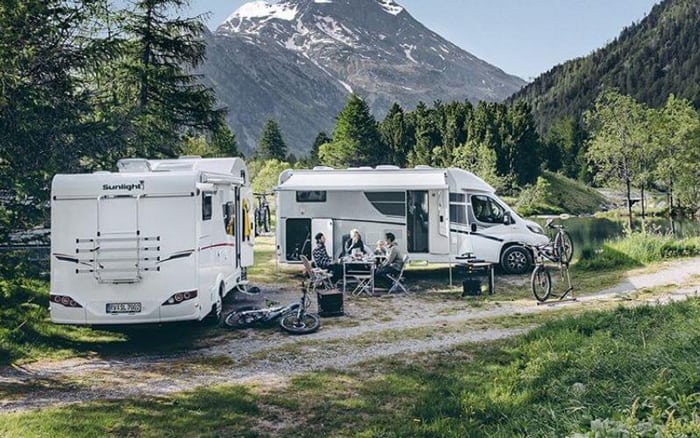
First-Timer vs. Experienced Renter: What Changes
What Beginners Get Wrong
Most first-timers make the same cluster of mistakes. Knowing them in advance is the only protection.
- Booking too large. A 35-foot Class A is not a beginner rig. Tight campground loops, low-hanging branches, and height restrictions make it a liability without tow experience. Start with a Class C under 25 feet.
- Ignoring dump station logistics. You need to dump the black tank before it hits 2/3 full. Budget 20–30 minutes per dump stop. Most campgrounds have a station — know the location on arrival.
- Skipping winterization awareness. Even spring and fall trips can hit freezing nights in elevation camping. Know whether the rental is winterized or has heated tanks. For deeper context, the step-by-step RV winterization guide explains what's at risk below freezing.
- Underestimating setup time. Leveling, hookups, slide-outs, and awning deployment takes 30–45 minutes at each site. Plan arrival before dark.
- Mis-reading the fuel gauge. Motorhome fuel gauges often read incorrectly when parked on a slope. Always fill to known reference points, not the gauge.
How Experienced Renters Cut Costs
Operators who have rented 5+ times use these levers consistently:
- Peer-to-peer platforms. RVshare and Outdoorsy list private-owner units 20–40% below dealer rates. Owners are often more flexible on mileage and duration.
- Deadhead repositioning deals. Rental companies need units moved between depots. Repositioning rentals can run 50–70% off standard rates — ask dealers directly.
- Shoulder season targeting. September–October and April–May cut nightly rates 25–35% while offering better campsite availability than peak summer.
- Bundled insurance via credit card. Some travel cards (Chase Sapphire, Amex Platinum) cover rental vehicle damage. Verify whether your card covers non-traditional vehicles before paying the dealer's daily insurance rate.
- Membership discounts. Good Sam, AAA, and Passport America memberships unlock 10–50% campsite discounts, which often matter more than the rental rate for monthly trips.
- Negotiating the generator cap. For stationary stays (seasonal camping), negotiate unlimited generator hours in writing. Dealers often agree when the unit stays parked.
Frequently Asked Questions
What is the cheapest type of RV to rent for a week?
Travel trailers are the most affordable weekly rental option, running $75–$125/night off-peak. You need a tow vehicle rated for the trailer's weight, which you typically supply yourself. If you don't have a capable tow vehicle, a Class B campervan is the next most affordable self-contained option at $100–$150/night.
Is it cheaper to rent an RV or book hotels for a week-long family trip?
For a family of four, a Class C rental at $150–$200/night plus $30–$50/night campsite often undercuts two hotel rooms ($200–$400/night) plus restaurant meals. The savings grow the larger the group. The math reverses on solo or couple travel unless you're boondocking and avoiding campsite fees entirely.
Do rental RVs include kitchen and bathroom facilities?
Yes. All Class A, B, and C motorhomes and most travel trailers include a full kitchen (stovetop, microwave, refrigerator) and a wet bath or dry bath with toilet and shower. Tank capacity varies — a Class C typically carries 40–50 gallons fresh, 30–40 gallons gray, and 30–40 gallons black. Plan dump stops accordingly on multi-day trips without hookups.
How far in advance should you book an RV rental for summer travel?
Book 60–90 days out minimum for summer peak season at popular destinations. Class A and full-size Class C units at reputable dealers or with strong peer-to-peer platform ratings disappear first. If you're targeting a specific national park corridor, book the campsite reservation simultaneously — popular sites fill within minutes of release on recreation.gov.
Key Takeaways
- Knowing how much to rent an RV for a week or a month starts with class selection — a Class C at $150–$200/night covers most trips without the handling complexity of a full Class A.
- Budget 30–40% above the base nightly rate to cover mileage overages, generator fees, insurance, and campsite costs.
- Monthly rentals unlock 15–25% discounts over per-night rates, making them cost-competitive with short-term furnished housing in many markets.
- Shoulder season booking (spring and fall) cuts rates 25–35% and typically offers better campsite availability than peak summer windows.


About Jake Mercer
Jake Mercer spent twelve years behind the wheel as a long-haul trucker, covering routes across the continental United States and logging well over a million miles. That career gave him an unusually thorough education in CB radio equipment — he has tested base station antennas, magnetic mounts, coax cables, and handheld units in real-world conditions where reliable communication actually matters. After leaving trucking, Jake transitioned to full-time RV travel and has since put hundreds of RV accessories through their paces across national parks, boondocking sites, and full-hookup campgrounds from Montana to Florida. At PalmGear, he covers RV gear and accessories, CB radios, shortwave receivers, and handheld radio equipment.
You can get FREE Gifts. Or latest Free phones here.
Disable Ad block to reveal all the info. Once done, hit a button below