Best Microsoft Office Alternatives 2026
by William Sanders
The short answer: a strong microsoft office alternative exists at every price point, including free. LibreOffice, Google Workspace, and WPS Office cover the overwhelming majority of home office and small business document needs without a recurring subscription. The right pick depends on workflow, platform, and how documents are shared — not brand familiarity.
PalmGear covers everything from tech tips to RV gear, home appliances, and creative hardware. Productivity software fits squarely in that mix — especially for readers running lean operations or simply tired of paying annually for features that rarely get touched.
Contents
- Top Picks at a Glance
- Why Users Are Moving Away from Microsoft Office
- The Best Microsoft Office Alternatives, Reviewed
- Cost and Licensing: Side-by-Side Breakdown
- Picking a Suite That Grows With the Workflow
- Practical Tips for a Smooth Switch
- New Users vs. Power Users: Which Suite Fits
- Frequently Asked Questions
- Next Steps
Top Picks at a Glance

Before the deep dive, here's the condensed verdict on each contender:
- LibreOffice — Best full-featured, 100% free desktop suite. Open-source, no ads, strong .docx/.xlsx fidelity.
- Google Workspace (Docs/Sheets/Slides) — Best for real-time collaboration and cloud-native teams. Free tier handles most home use.
- WPS Office — Closest visual match to classic Microsoft Office. Minimal relearning friction. Free tier available.
- Microsoft Office Online — Best if staying within the Microsoft ecosystem without paying for the full desktop suite.
- Apple iWork (Pages/Numbers/Keynote) — Best for Mac and iPad-only environments. Pre-installed and polished.
- Calligra Suite — Best for Linux power users on KDE desktop environments.
- Dropbox Paper — Best for lightweight collaborative writing. Not a full spreadsheet or presentation replacement.
Each has genuine strengths. None is universally superior. The right fit emerges from an honest assessment of how documents are used, shared, and stored day to day.
Why Users Are Moving Away from Microsoft Office
The Cost Factor
Microsoft 365 subscriptions now run households and small operations into recurring annual costs for features that rarely get touched. A solo user, a small craft business, or a home office can be hard-pressed to justify the expense — especially when multiple mature free options have existed for years.
According to Wikipedia's comparison of office suites, over a dozen well-developed alternatives now compete with Microsoft's offering, many with decade-long track records. This isn't a nascent category.
Small business owners — including those running heat press or screen-printing operations who also produce invoices, client proposals, and shipping documents — frequently cite subscription fatigue as the primary driver for exploring alternatives. Readers who've already consulted guides like finding the best heat press for a small business understand the value of trimming recurring overhead wherever possible.
The Platform Shift
The shift to browser-based and mobile-first workflows changed the competitive landscape permanently. Many users now spend more time in a browser tab than in a native desktop application. Cloud-native suites capitalized on this. Chromebook adoption in education and budget home computing moved entire user segments to Google Workspace as a default.
- Browser-based tools eliminate OS dependency
- Auto-save and version history reduce file-loss exposure
- Real-time co-editing removed a key advantage Microsoft Office once held alone
- Mobile access is now expected — not a premium feature
Pro insight: Cloud office suites are now the default onboarding path for non-technical users. Assuming collaborators or staff will use full Microsoft Office is increasingly a premise that breaks down in the field.
The Best Microsoft Office Alternatives, Reviewed
Google Workspace (Docs, Sheets, Slides)
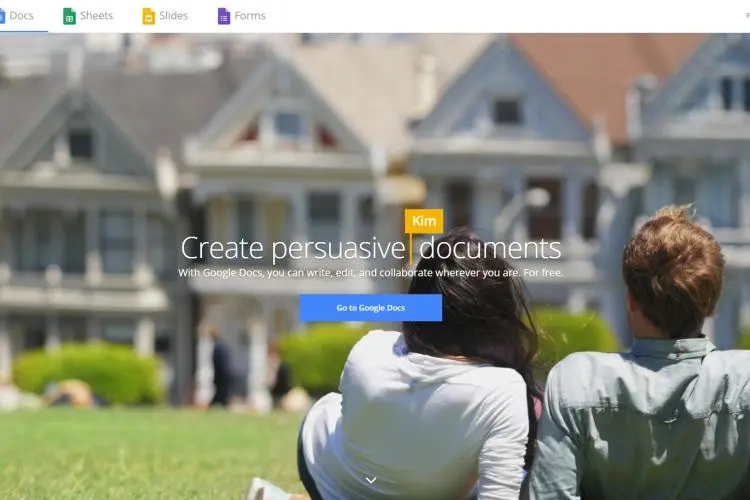
Google Workspace is the dominant cloud-native alternative. The free personal tier covers most home and small-office needs entirely. Docs, Sheets, and Slides handle .docx, .xlsx, and .pptx natively, including clean export back to those formats.
- Strengths: Real-time multi-user editing, robust version history, works on any device with a browser, zero installation, generous free storage tier
- Weaknesses: Full functionality requires internet, advanced formatting fidelity can drift on complex Word documents, 15 GB storage shared across Gmail and Drive
- Pricing: Free (personal) / $6–$18/user/month (Business tiers)
Readers who've explored running desktop communication tools like WhatsApp on PC without a phone number will find Google Workspace's browser-first approach equally approachable.
LibreOffice
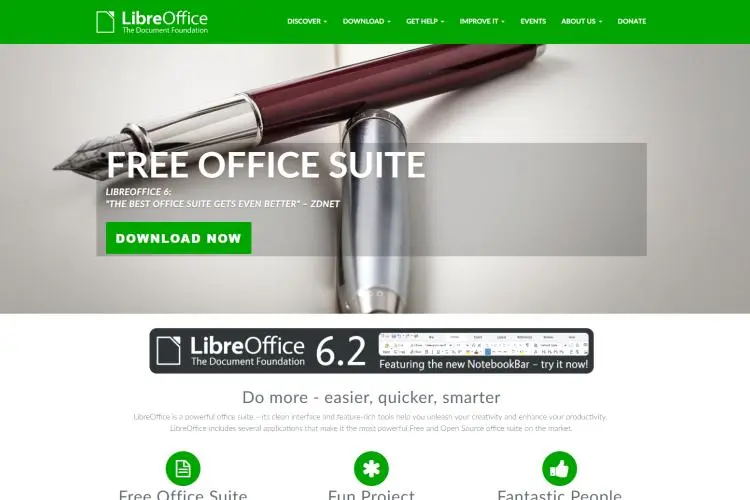
LibreOffice is the gold standard for a free, fully offline Microsoft Office alternative. Developed by The Document Foundation, it includes Writer (word processor), Calc (spreadsheet), Impress (presentations), Draw, Base (database), and Math.
- Strengths: Completely free, open-source, no ads, strong .docx/.xlsx compatibility, active development, extensive macro support, cross-platform (Windows, Mac, Linux)
- Weaknesses: UI feels dated compared to modern ribbon-based software; performance on very large files can lag on older hardware
- Pricing: Free (donation encouraged)
For any user who needs a complete desktop suite without ongoing cost — particularly on Windows or Linux — LibreOffice is the default recommendation from most IT professionals.
Microsoft Office Online
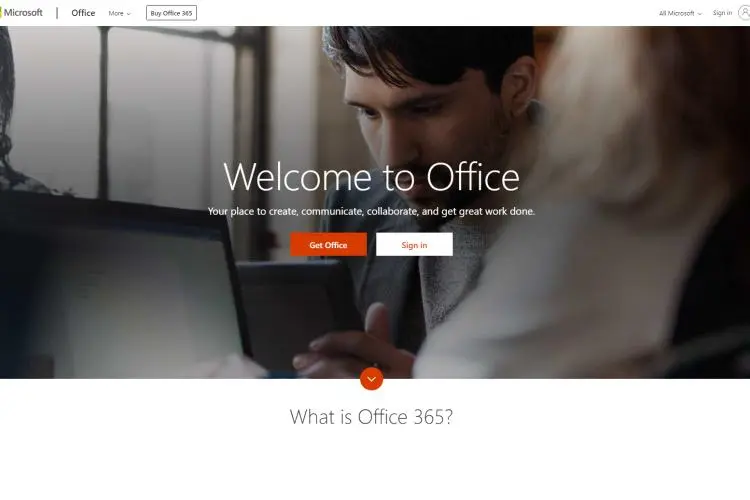
Often overlooked: Microsoft itself offers a free browser-based version of Word, Excel, and PowerPoint. Functionality is reduced compared to the full desktop application, but file format compatibility is native — no surprises opening .docx or .xlsx files.
- Strengths: Native .docx/.xlsx/.pptx handling, integrates directly with OneDrive, familiar UI, no installation required
- Weaknesses: Missing advanced features (mail merge, complex macros, full pivot table depth), requires a Microsoft account
- Pricing: Free with Microsoft account
WPS Office
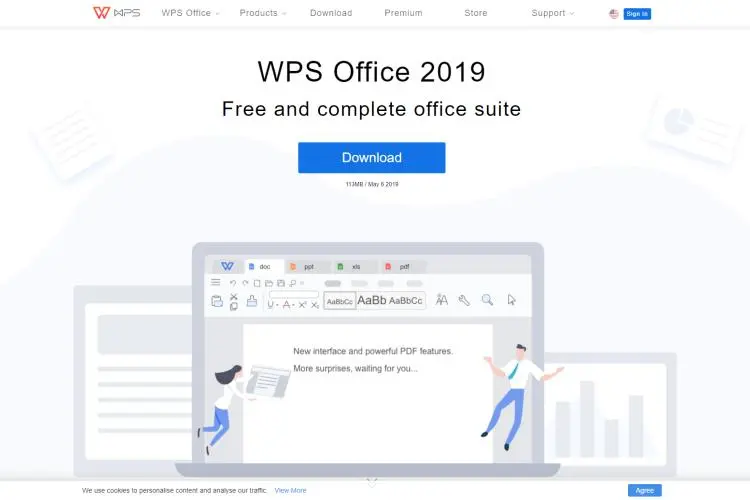
WPS Office is the closest visual and functional match to classic Microsoft Office, making it the preferred choice for users who need minimal relearning friction. Developed by Kingsoft. Available on Windows, Mac, Linux, Android, and iOS.
- Strengths: Familiar ribbon UI, strong file compatibility, solid built-in PDF tools, lightweight installer, genuine cross-platform support
- Weaknesses: Free tier includes persistent ads; cloud features tie to WPS cloud storage by default
- Pricing: Free (ad-supported) / approximately $30/year (WPS Premium)
Warning: WPS Office is developed by Kingsoft, a Chinese company. Users handling sensitive or regulated documents should review the privacy policy carefully and disable cloud sync before use in a business environment.
Apple iWork
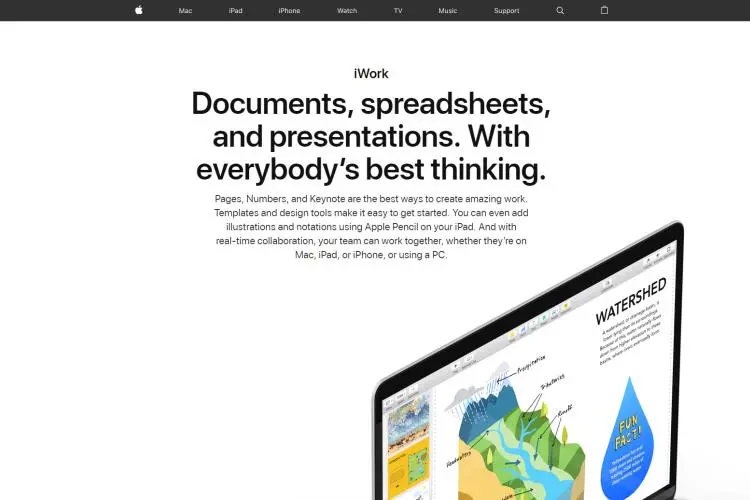
Pages, Numbers, and Keynote come pre-installed on every Mac and iOS device. For Apple-only workflows, it's the strongest free option — polished, deeply integrated with iCloud, and frequently updated.
- Strengths: Beautiful templates, excellent Keynote presentation quality, iCloud sync, Handoff between Mac and iPhone/iPad, free
- Weaknesses: Windows access limited to web-only via iCloud; compatibility with complex Excel or Word documents can break on import
- Pricing: Free on Apple devices
Calligra Suite
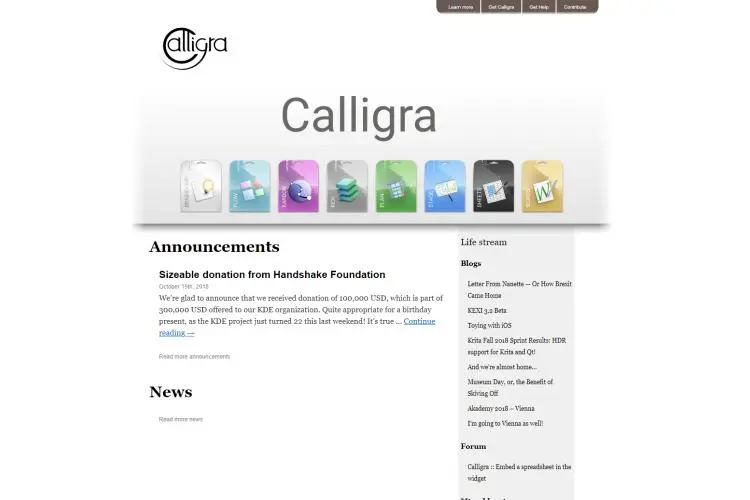
Calligra is a KDE-native office suite for Linux. Less mainstream than LibreOffice but appealing to power Linux users who prefer a native KDE application stack with deep desktop environment integration.
- Strengths: Deep KDE desktop integration, unique Calligra Flow diagram tool, active KDE community, free and open-source
- Weaknesses: Smaller user base, fewer tutorials and third-party resources, less comprehensive .docx compatibility than LibreOffice
- Pricing: Free
Dropbox Paper
Dropbox Paper is a collaborative writing and project notes tool — not a full office suite. There is no spreadsheet engine, no presentation builder. It fits best as a lightweight Notion-style alternative for teams already embedded in the Dropbox ecosystem.
- Strengths: Clean distraction-free editor, well-suited for meeting notes and project briefs, rich media embedding, tight Dropbox storage integration
- Weaknesses: Not a Microsoft Office replacement — fills a specific writing and notes niche only
- Pricing: Free with a Dropbox account
Cost and Licensing: Side-by-Side Breakdown
Pricing transparency varies across office suites. Here's a consolidated comparison for direct evaluation:
| Suite | Free Tier | Paid Option | Offline Use | Best Fit |
|---|---|---|---|---|
| LibreOffice | Full suite, no limits | None (donations only) | Yes | Windows/Linux power users |
| Google Workspace | 15 GB storage, core apps | $6–$18/user/month | Limited (offline mode) | Collaborative teams |
| WPS Office | Ad-supported, limited cloud | ~$30/year | Yes | Office UI familiarity |
| Microsoft Office Online | Core apps, 5 GB OneDrive | Microsoft 365 from $70/year | No (browser only) | Occasional Office users |
| Apple iWork | Full suite, free | None | Yes | Mac/iPad-only workflows |
| Calligra Suite | Full suite, free | None | Yes | Linux/KDE desktops |
| Dropbox Paper | Core writing tools | Bundled with Dropbox plans | No | Lightweight team notes |
Total cost of ownership extends beyond licensing fees. Migration time, retraining, and file compatibility remediation all factor in. For a solo user or small team, LibreOffice or the free Google Workspace tier eliminates software costs entirely without meaningful capability loss.
Picking a Suite That Grows With the Workflow
Cloud vs. Local Storage
The cloud-versus-local decision is the most consequential long-term call in this comparison:
- Cloud-native (Google Workspace, Dropbox Paper): Automatic backup, anywhere access, real-time sharing — but introduces dependency on internet connectivity and the provider's continued operation.
- Local-first (LibreOffice, Calligra): Full data ownership, works completely offline, no subscription. Requires a disciplined manual backup routine.
- Hybrid (WPS Office, Apple iWork): Local installation with optional cloud sync. Flexible but requires managing two storage locations intentionally.
For home-based operations — managing documents for a vinyl craft business or tracking RV maintenance records — a local-first suite with a simple external drive backup often outperforms cloud solutions in reliability and data privacy.
Avoiding Vendor Lock-In
Open file formats prevent data from becoming effectively hostage to a single platform. LibreOffice uses ODF (Open Document Format) natively — an ISO-standardized format — while also reading .docx and .xlsx with high fidelity. Google Docs stores in a proprietary format but exports cleanly to standard types. Apple Numbers .numbers files create friction when migrating workflows off Apple hardware later.
- Always export critical documents in .docx or .pdf alongside the native format
- Avoid deep reliance on platform-specific features that don't port cleanly across suites
- ODF is the safest long-term archive format for documents that need to remain accessible for years
Pro insight: Saving a master copy in ODF and a client-facing copy in .docx or .pdf simultaneously adds negligible overhead and eliminates format conversion headaches entirely when platforms or collaborators change.
Practical Tips for a Smooth Switch
File Format Compatibility
The majority of compatibility issues arise from complex formatting — tables nested inside tables, custom headers and footers, embedded objects, and macros. Plain prose documents almost never cause trouble. A short audit before migration saves hours of remediation afterward:
- Identify any documents that rely on macros — these require manual migration in every alternative suite
- Test a representative sample of complex Word and Excel files in the chosen alternative before committing
- Convert legacy .doc and .xls files to .docx and .xlsx first, then import into the new suite
- Flag documents using proprietary fonts and substitute with open equivalents (Liberation Serif, Roboto, Open Sans)
Migration Checklist
A structured approach reduces disruption for home offices and small teams alike:
- Inventory all documents by type and frequency of use
- Run a two-week parallel pilot with the chosen alternative before full cutover
- Confirm printer and scanner integrations function — direct-to-document scanning often relies on desktop app plugins that may not carry over
- Back up the entire document library before uninstalling legacy software
- Test any shared document workflows with external collaborators before declaring migration complete
Small business owners who manage documents alongside hardware projects — from organizing supplier invoices for a heat press operation to running print orders for a home screen-printing setup — benefit most from a deliberate, phased migration rather than a rushed switch driven by subscription renewal dates.
New Users vs. Power Users: Which Suite Fits
The right microsoft office alternative varies significantly by skill level and workflow depth. Matching the tool to the actual use case avoids both under-serving and overcomplicating:
Entry-level and home users:
- Occasional letters, simple budget spreadsheets, basic slide decks
- Best fit: Google Workspace (free tier) or Microsoft Office Online
- Zero installation, familiar from school and shared work environments, accessible from any browser
Intermediate — home office and small business:
- Regular document production, client proposals, inventory tracking, budget management
- Best fit: LibreOffice (local control, no cost) or WPS Office (familiar UI, fast onboarding)
- Offline capability matters; file format reliability is non-negotiable at this level
Advanced — power users and IT-managed environments:
- Complex macros, database integration, large-scale financial modeling, multi-user admin controls
- Best fit: LibreOffice (extensible macros, full scripting access) or Google Workspace Business (admin console, audit logs, Vault)
- Open-source extensibility differentiates LibreOffice meaningfully at this tier
Many PalmGear readers fall squarely in the intermediate bracket — running small operations involving gear like heat press equipment or creative tools like a Cricut vinyl cutter, while also needing reliable document management without enterprise IT overhead. The free tier of Google Workspace or a clean LibreOffice install handles both profiles without compromise.
Frequently Asked Questions
Is LibreOffice fully compatible with Microsoft Word documents?
LibreOffice handles the vast majority of .docx files correctly, including complex formatting, tables, and styles. Documents that rely on VBA macros, advanced embedded objects, or proprietary Microsoft typography features may require manual adjustment after import. For standard business documents, compatibility is reliable.
Can Google Docs be used without an internet connection?
Yes. Google Docs, Sheets, and Slides support offline mode via the Chrome browser with the Google Docs Offline extension enabled. Files must be individually marked for offline access in advance. Any edits made offline sync automatically when the connection is restored.
Is WPS Office safe for business documents?
WPS Office is a legitimate, widely deployed suite. The primary concern for business use is data privacy: the free tier syncs to WPS cloud storage by default, and Kingsoft operates under Chinese data law jurisdiction. For sensitive documents, WPS can be used in local-only mode with cloud sync disabled in settings.
What is the best free Microsoft Office alternative for occasional home use?
Google Workspace via a personal Google account is the most frictionless option — accessible on any device, shareable instantly, and familiar from many school and workplace environments. LibreOffice is the better choice for users who prefer full offline access and complete local data ownership.
Does Apple iWork work on Windows computers?
Apple iWork (Pages, Numbers, Keynote) is accessible on Windows through a browser at iCloud.com using an Apple ID. Functionality is more limited than the native Mac and iOS applications. iWork is not a practical primary solution for Windows-centric or cross-platform workflows.
Next Steps
- Identify the primary use case — solo writing, team collaboration, spreadsheet-heavy work, or occasional documents — and match it against the cost and capability table above to narrow the shortlist to two candidates.
- Download LibreOffice or open a Google Docs account and immediately test three real documents: a formatted Word file, a spreadsheet with formulas, and a presentation with embedded images. Real-world compatibility testing beats feature spec comparison every time.
- Run a two-week parallel pilot using the chosen alternative on live tasks — not sample files — before committing to a full migration.
- Audit any documents that rely on macros, proprietary templates, or embedded objects and handle those conversion edge cases individually before the full cutover date.
- Back up the entire document library to a local drive or external storage before uninstalling any existing office software, and verify the backup is complete and readable before proceeding.


About William Sanders
William Sanders is a former network systems administrator who spent over a decade managing IT infrastructure for a mid-sized logistics company in San Diego before moving into full-time gear writing. His years in IT gave him deep hands-on experience with networking equipment, routers, modems, printers, and scanners — the kind of hardware most reviewers only encounter through spec sheets. He also has a long background in consumer electronics, with a particular focus on home audio and video setups. At PalmGear, he covers networking gear, printers and scanners, audio and video equipment, and tech troubleshooting guides.
You can get FREE Gifts. Or latest Free phones here.
Disable Ad block to reveal all the info. Once done, hit a button below