How to Remove Bad Smell from Clothes Without Washing
by Sandra Holt
A single laundry load consumes up to 40 gallons of water — yet a striking share of those cycles happen simply because a garment smells slightly off after light use. Knowing how to remove bad smell from clothes without washing is one of the most practical household skills you can develop. Light odors from sweat, smoke, musty storage, or kitchen exposure rarely demand a full machine cycle. The right household ingredients, a bit of airflow, and some patience can neutralize most smells without wearing down fabric, fading color, or wasting water. This guide breaks down every major wash-free method, compares them directly, and shows you when each one is the right tool for the job.
If you are invested in smarter home maintenance overall, PalmGear's home appliances section covers everything from laundry tools to kitchen gadgets worth knowing. Understanding your fabrics helps too — how a 100% cotton T-shirt is made gives useful context for why different fibers trap odors the way they do, which shapes which removal method you should reach for first.
Contents
Everyday Fixes vs. Targeted Odor Treatments
Starting Simple: Methods Any Household Has Ready
The easiest starting point costs nothing and requires no preparation. Hanging a garment outdoors in fresh air for thirty to sixty minutes eliminates light sweat odors from most common fabrics. Natural UV exposure also degrades the volatile organic compounds responsible for unpleasant smells, while simultaneously killing surface bacteria. If outdoor access is limited, positioning a fan in front of an open window gives you a useful indoor version of the same treatment. These entry-level techniques are ideal for lightly worn items — a blazer carried to a meeting, a shirt that picked up ambient smoke at a restaurant, or jeans folded in storage just long enough to smell stale.
Dryer sheets are another beginner-friendly option that most households already stock. Tucking one inside a sealed garment bag or storage container passively absorbs residual odors over several hours. They are designed for the dryer but function just as well as a slow, contact-based odor absorber at room temperature.
Stepping Up: Chemical Neutralizers for Tougher Smells
When simple ventilation does not solve the problem, pH-based neutralizers step in. White vinegar, baking soda, and vodka each work through a distinct mechanism. Vinegar's acetic acid disrupts the bacterial growth responsible for most sweat-based odors. Baking soda functions as a physical adsorbent — it binds odor molecules directly to its surface rather than masking them. Vodka, or any unflavored ethanol, evaporates completely and carries odor compounds away with it as it does.
These methods are the standard toolkit for athletic wear, vintage clothing, and garments stored improperly for extended periods. According to the U.S. Environmental Protection Agency, laundry accounts for roughly 22% of indoor home water use — swapping even occasional unnecessary washes for targeted treatments makes a real environmental and financial difference over time.
How the Methods Stack Up
No single method handles every situation equally well. Speed, fabric compatibility, odor type, and materials availability all factor into which approach makes sense. The table below puts the main wash-free options side by side across the criteria that matter most.
| Method | Best For | Speed | Fabric Safety | Odor Type | Materials Needed |
|---|---|---|---|---|---|
| Fresh Air / Sunlight | Light, ambient odors | 30–60 min | All fabrics | Smoke, storage, mild sweat | None |
| Dryer Sheet | Stored garments | Overnight | All fabrics | Musty, stale | Dryer sheet, bag |
| Baking Soda | Sweat, food odors | 2–8 hours | Most fabrics (test first) | Sweat, food, mildew | Baking soda |
| Vodka Spray | Synthetic activewear | 20–40 min | Most fabrics | Sweat, body odor | Unflavored vodka, spray bottle |
| White Vinegar Mist | Heavy sweat, bacteria | 20–30 min | Cotton, synthetics (avoid delicates) | Strong sweat, mildew | White vinegar, water, spray bottle |
| Lemon Juice Solution | Mild to moderate odors | 15–30 min | Cotton (avoid silk/wool) | Sweat, food | Lemon juice, water |
| Steam Treatment | Delicates, structured garments | 10–15 min | Most fabrics (check label) | All surface odors | Garment steamer or hot shower |
Use this table as a quick reference when you need to decide fast. The right call depends on how much time you have, what you are wearing, and how strong the odor actually is.
Matching the Right Method to the Right Situation
Activewear, Gym Clothes, and Sports Gear
Athletic fabrics present a specific challenge. Synthetic fibers like polyester and nylon trap bacteria at a microscopic level within their weave structure. Surface-level fresheners do not always penetrate effectively. Vodka spray works particularly well here because the alcohol reaches into the fiber construction. Apply lightly from about twelve inches, hang to air-dry, and you can restore a workout shirt to wearable condition without a machine cycle. Many consistent gym users alternate between vodka sprays and baking soda treatments to keep a rotation of six to eight garments fresh through a full week of training — washing every two to three wears rather than every single session.
It is also worth thinking about the gear that surrounds your clothing. Knowing what to look for before buying a handheld vacuum matters here — a quick pass over gym bags and sports equipment reduces the bacterial load before it transfers to your garments in the first place.
Delicate Fabrics and Dry-Clean-Only Items
Silk, wool, cashmere, and structured garments like blazers require a fundamentally different approach. Full washing risks shrinkage, stretching, or stripping the natural oils that give protein fibers their feel and drape. Steam is the safest method in this category. A garment steamer held four to six inches from the fabric surface kills bacteria without saturating the weave or stressing the construction. No steamer on hand? Hanging the garment in a bathroom during a hot shower achieves a milder version of the same effect with zero equipment.
For dry-clean-only items, lightly misted vodka solutions followed by thorough air drying are among the safest at-home options. Avoid anything acidic — vinegar and lemon juice can damage protein-based fibers with repeated application. When in doubt, err toward the mildest method first and assess before reaching for anything stronger.
Proven Tricks That Actually Work
Sunlight, Fresh Air, and the Dryer Sheet Method
Fresh air remains the most reliable first-line treatment. Take the garment outside inside-out, hang it in a spot with both sunlight and airflow, and give it thirty to sixty minutes. UV radiation degrades the volatile compounds responsible for odor while the breeze carries them away. For items like denim — which can comfortably go six to ten wears between washes — this habit alone keeps things manageable season after season.
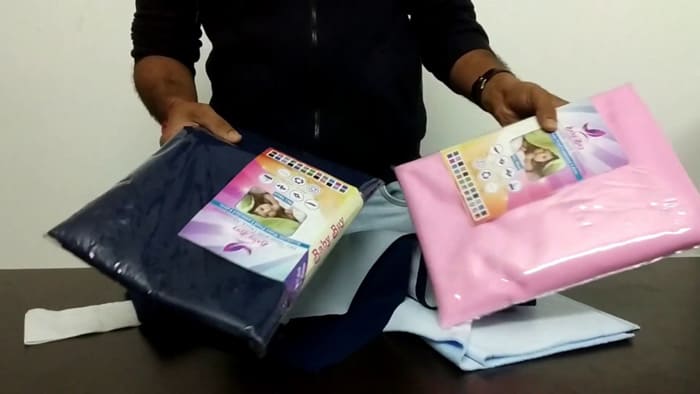
The dryer sheet method shines for stored clothing. Slip one or two sheets inside a garment, seal it in a plastic bag overnight, and by morning the sheet has drawn out much of the residual odor through slow contact absorption. This is particularly useful for seasonal items — holiday sweaters, off-season jackets, or anything that has been in a closet long enough to develop that flat, enclosed smell that fresh air alone sometimes struggles to shift quickly.
Baking Soda, Vodka, White Vinegar, and Lemon Juice
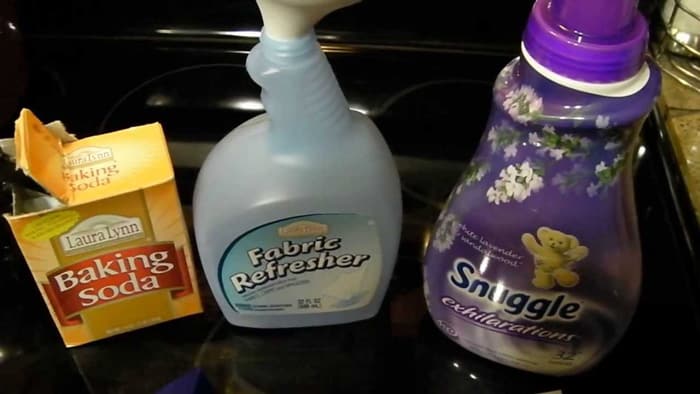
Baking soda earns its reputation consistently. Sprinkle it generously on the interior surface of the garment, work it gently into the fabric with your fingers, and leave it for two to eight hours. Shake and brush it out thoroughly before wearing. For items like canvas shoes or boots with fabric lining, placing the garment in a zip bag alongside an open container of baking soda achieves similar results without direct contact — useful when you do not want residue embedded in a textured surface.
White vinegar is more aggressive. A 1:3 vinegar-to-water solution misted lightly over the affected area handles most sweat-based odors effectively. The vinegar scent itself fully dissipates as the garment air-dries — a concern that deters many people from trying it, but one that resolves within twenty to thirty minutes. Much like using vinegar to clean appliances — something covered in detail in how to clean a microwave with vinegar — the same principle of acid-based neutralization applies to fabrics.

Lemon juice brings acid-based neutralization similar to vinegar, but with a more tolerable interim scent. Mix equal parts lemon juice and water, apply directly to the odor source, and let it sit for fifteen minutes before air-drying. Apply with caution on colored fabrics — lemon juice can act as a mild bleaching agent when the garment is then exposed to direct sunlight, which could lighten dye in the treated area.
Pro Tip: For stubborn underarm odors on cotton shirts, combine methods — apply a baking soda paste, let it sit for an hour, wipe clean, then follow with a light white vinegar mist before air-drying completely.
What You Gain and Lose by Going Wash-Free
The Upside of Skipping the Wash
The benefits extend well beyond water conservation. Washing machines are physically hard on fabric. Agitation, heat, and detergent work together to break down fiber structure over repeated cycles. Every wash pulls slightly at the weave, fades color, and contributes to microfiber shedding into wastewater systems. Garments maintained with wash-free odor treatments retain their shape, texture, and color noticeably longer — a meaningful consideration for quality clothing with significant purchase cost.
From a budget standpoint, fewer wash cycles translate directly to lower water bills, reduced electricity consumption, and less detergent spending over time. For items with structural or decorative elements — embellished hems, raw-edge denim, leather trim — less frequent machine washing also reduces the risk of irreversible damage. If you work with garments that have custom hemming or finishing, knowing how to hem jeans with or without a sewing machine pairs naturally with keeping those pieces out of the machine as long as possible.
Limitations You Should Know
Wash-free methods address odor — they do not address visible stains, accumulated body oils from repeated wears, or bacteria that have penetrated beyond the surface layer. A garment can smell completely fresh after a vodka spray and still carry a significant bacterial load if it has gone through many wears without a proper wash. For most healthy adults using these methods on outerwear or mid-layer garments, this presents no practical concern. But it is worth knowing the distinction between odor elimination and actual fabric hygiene.
The practical ceiling for most methods is two to three uses between washes for heavy-wear items, and considerably longer intervals for light-use garments worn over a base layer. Managing your fabric inventory thoughtfully — similar to organizing any workspace or craft setup — is part of getting the most from these techniques. If you do any textile crafting, the organization principles in how to keep embroidery floss from tangling reflect the same mindset: small, consistent habits prevent bigger problems.
When Skipping the Wash Is Smart — and When It Isn't
Situations Where Wash-Free Methods Make Sense
You wore a garment for a short event — a dinner, a meeting, a few hours of light activity — and it carries a faint ambient odor afterward. That is a strong candidate for a vodka spray and an overnight hang. Similarly, athletic clothing after moderate (not intense) exercise responds well to vinegar misting followed by sun-drying outdoors. The garment smells fresh by morning and is ready for another wear without structural wear from a machine cycle.
Frequent travelers represent another clear use case. When you are extending a wardrobe across multiple days without laundry access, these techniques shift from convenient to essential. The same applies to vintage clothing and thrift finds, where you may want to clear storage odors before running an unknown fabric composition through a machine for the first time. Treating first, then washing if needed, gives you information about how the garment behaves before committing to a full cycle.
When You Really Do Need to Wash
After heavy exercise producing significant sweat, wash the garment. After illness, wash. After contact with mold, harsh chemicals, or strong biological contamination, a proper hot-water machine cycle is not optional — it is necessary. Wash-free methods are designed as a complement to regular laundering, not a permanent substitute. Think of them as a way to extend the useful interval between necessary washes, not as a strategy to avoid washing indefinitely.
Items in direct skin contact — underwear, socks, undershirts — require regular laundering regardless of how they smell after a single wear. Treat anything against skin for extended periods differently from outerwear. That one distinction guides the majority of practical decisions around how to remove bad smell from clothes without washing versus when a full wash cycle is simply the right call.
Key Takeaways
- Most light odors from sweat, smoke, or storage can be eliminated without washing using fresh air, baking soda, vodka spray, or white vinegar — each targeting a different odor source and fabric type.
- Skipping unnecessary wash cycles extends garment life, preserves color and shape, and cuts household water and energy use over time.
- Match the method to the fabric: steam and vodka for delicates, baking soda and vinegar for cotton and synthetics, sunlight for nearly everything as a first step.
- Wash-free techniques have a practical ceiling — use them to extend intervals between washes, not to replace laundering entirely for high-contact or heavily soiled garments.


About Sandra Holt
Sandra Holt spent eight years as a project manager for a residential renovation company in Portland, Oregon, overseeing kitchen and bathroom remodels from initial estimate through final walkthrough. That work exposed her to an unusually wide range of home equipment — from HVLP spray guns and paint sprayers on the tools side to range hoods, kitchen faucets, and countertop appliances on the appliance side. After leaving the trades, she moved into consumer product writing, bringing the same methodical, hands-on approach she used to evaluate contractor-grade tools to everyday home gear. At PalmGear, she covers kitchen appliances, home tools, paint and finishing equipment, and cleaning gear.
You can get FREE Gifts. Or latest Free phones here.
Disable Ad block to reveal all the info. Once done, hit a button below