RV Gear ›
Where to Park Your RV Full-Time Without Any Issues
by Jake Mercer
Wondering where can I park my RV to live without any issues? You're not alone — and the answer is better than you probably expect. Full-time RV living is one of the fastest-growing lifestyle choices in America, and there are dozens of legitimate, affordable parking options waiting for you. This guide cuts through the confusion and gives you a clear roadmap. Whether you need full hookups, reliable cell service, or a free spot under open skies, you'll find your answer here. Before you settle in anywhere, make sure your rig is powered correctly — our guide on what size inverter you need for your RV will keep the lights on no matter where you land.
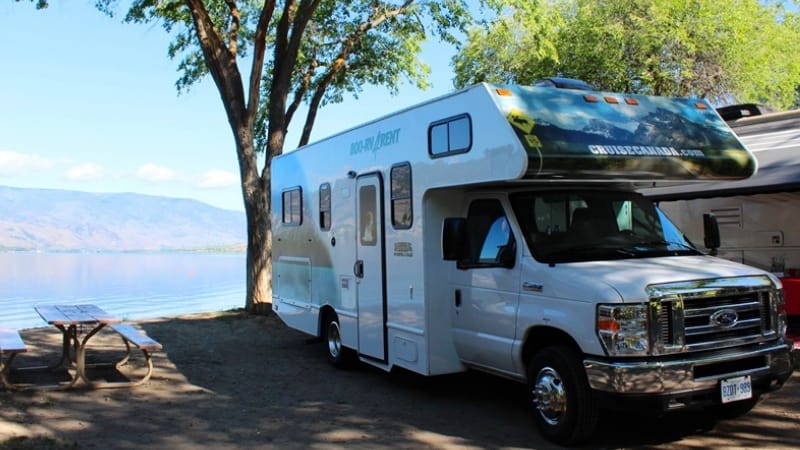
The freedom of full-time RV living comes with one real challenge: knowing where you're legally allowed to park your home on wheels. Local laws vary dramatically. What's perfectly fine in one county can get you ticketed — or towed — in the next. But once you understand the landscape, navigating it becomes second nature.
This guide covers every major parking option, compares them side by side, walks you through finding legal spots step by step, and clears up the myths that trip up new full-timers. Whether you're planning ahead or already on the road, you'll leave here with a solid plan.
Contents
- The Best Places to Park Your RV and Live Full-Time
- RV Parking Options at a Glance
- Where Can I Park My RV to Live Without Any Issues? Solving the Common Roadblocks
- How to Find Legal RV Parking Step by Step
- Essential Gear That Makes Full-Time RV Living Work
- How to Keep Your Parking Situation Stable Long-Term
- RV Parking Myths You Need to Stop Believing
- Frequently Asked Questions
- Key Takeaways
The Best Places to Park Your RV and Live Full-Time
You have more options than most people realize. Each one comes with its own cost structure, rules, and lifestyle trade-offs. Here's the full picture:
RV Parks and Campgrounds
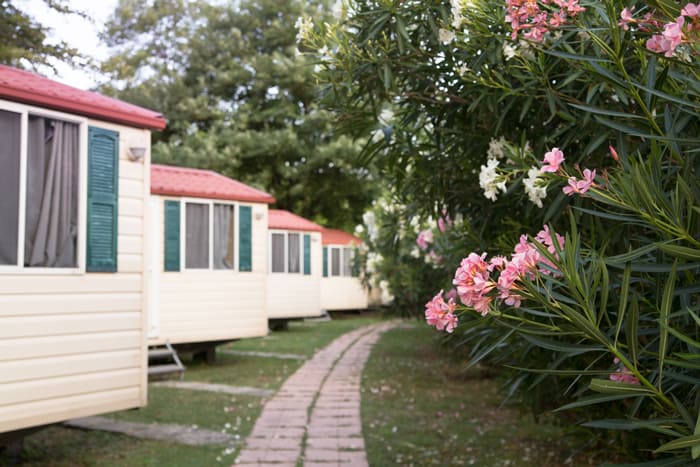
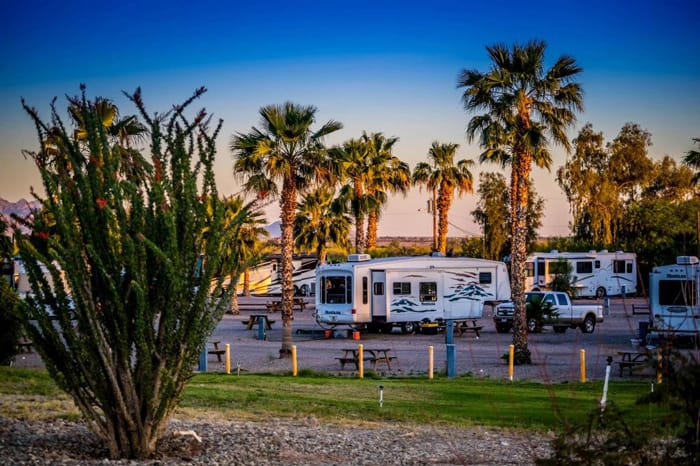
RV parks are the most straightforward option. They're built for exactly this purpose, and they remove most of the legal guesswork. You get:
- 30-amp or 50-amp electrical hookups
- Water and sewer connections right at your site
- On-site laundry, showers, and sometimes a pool or clubhouse
- A legitimate address you can use for mail and vehicle registration
Monthly rates vary widely — anywhere from $400 to $1,500 depending on location and amenities. In popular areas like coastal Florida or Southern California, expect to pay at the high end. In rural Midwest parks, excellent sites go for under $500 a month. Many full-timers join membership clubs like Thousand Trails or Passport America to cut costs significantly over time.
One catch: some parks enforce a "10-year rule" and won't accept older rigs. Always call ahead to confirm before driving hours out of your way.
Public Lands: BLM and National Forests
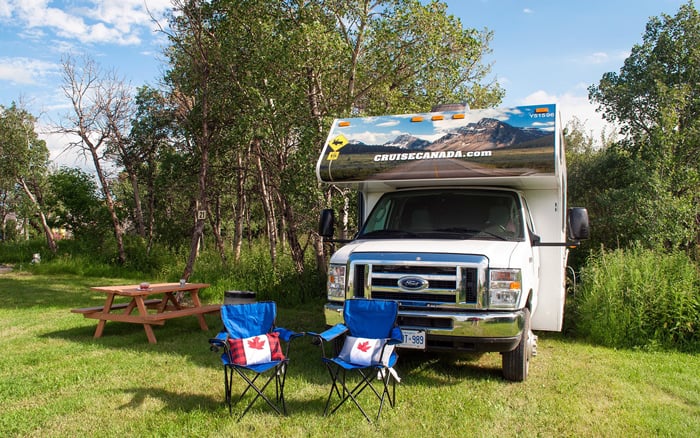
Bureau of Land Management (BLM) land and National Forests allow dispersed camping — meaning camping outside of designated campgrounds — at no cost across millions of acres. This is the go-to choice for full-time RVers who want freedom with zero monthly overhead.
- Most BLM land allows 14-day stays before you must move on
- No hookups — you're running on solar, batteries, or a generator
- Cell signal can be spotty or nonexistent in remote locations
- Some access roads require high clearance or four-wheel drive
The Bureau of Land Management website publishes Motor Vehicle Use Maps (MVUMs) showing which roads and areas allow vehicle camping. Download the maps for your target region before you go.
Private Property and Driveways
Parking on a friend's or family member's land is another viable option — and some full-timers negotiate a small monthly payment to a landowner in exchange for a hookup. This works well in rural areas where local codes are relaxed. But don't assume it's legal without checking: many suburban municipalities prohibit living in an RV on residential property even with the owner's full permission.
RV Parking Options at a Glance
Not sure which option fits your situation? This side-by-side breakdown makes it easier to decide at a glance:
| Option | Avg. Monthly Cost | Hookups Available | Legal Status | Best For |
|---|---|---|---|---|
| RV Park / Resort | $400–$1,500 | Full (water, electric, sewer) | Always legal | Comfort-focused full-timers |
| BLM / National Forest | Free | None (boondocking) | Legal — 14-day limit | Off-grid, budget-first travelers |
| State / County Parks | $15–$60/night | Varies by site | Legal | Short stays with amenities |
| Private Property | $0–$300 | Negotiable with owner | Check local zoning codes | Rural living at low cost |
| Retail / Walmart Lots | Free (1 night max) | None | Permission required | Emergency overnight stops only |
| Membership Campgrounds | Annual fee + low nightly | Usually full hookups | Legal | Frequent movers saving long-term |
Your ideal option depends on your budget, rig size, work situation, and how often you plan to move. Most full-timers end up mixing two or three of these strategies throughout the year.
Where Can I Park My RV to Live Without Any Issues? Solving the Common Roadblocks
Even with a solid plan, things go sideways. Here's how to handle the most frequent problems before they derail you.
Pro tip: Always call your target location before driving there — policies change without notice, and a 10-minute phone call can save you a 3-hour detour with a 40-foot rig.
Zoning Laws and Local Ordinances
Zoning is the number one hurdle for anyone trying to find a place to park an RV and live comfortably. Many cities and counties specifically prohibit RV habitation, even on private property. Here's how to navigate it effectively:
- Search your target county's zoning code online — look for terms like "recreational vehicle," "habitation," or "temporary dwelling unit"
- Call the local planning or zoning office directly and ask — most staff will tell you clearly what's allowed
- Focus on unincorporated areas outside city limits, where regulations tend to be far more relaxed
- Ask whether a variance or temporary use permit is available — some counties allow RV living with the right paperwork
Hookup and Utility Problems
Electrical issues are common, especially in older parks running aging infrastructure. The problems you'll run into most often:
- Voltage fluctuations that can silently damage appliances over time
- 30-amp vs. 50-amp mismatches — keep an adapter in your hookup kit at all times
- Slow or dead park Wi-Fi — improving your Wi-Fi signal strength with a cellular hotspot or signal booster solves this fast
- Inconsistent water pressure — too high blows fittings, too low is just annoying
Three items protect your rig from most utility problems: an EMS (Energy Management System) surge protector, a water pressure regulator, and an inline water filter. Buy all three before your first long stay — they pay for themselves quickly.
How to Find Legal RV Parking Step by Step
Finding a good spot isn't hard when you follow a repeatable process. Run through these steps before you ever hitch up the trailer.
Research Before You Go
- Pick your target region. Consider climate, cost of living, proximity to work or family, and healthcare access.
- Search RV park directories. Use Campendium, RVParky, or The Dyrt to read real reviews from full-timers — not vacationers passing through for a weekend.
- Pull BLM maps. Download the Motor Vehicle Use Maps for your target area if you plan to boondock. Not all roads on the map lead to legal camping areas.
- Check local zoning codes online. A 20-minute search can confirm whether full-time RV living is actually legal where you're heading.
- Join regional Facebook groups. Local RV communities post real-time information on open spots, problem parks, and enforcement trends in specific areas.
- Call your top choices. Confirm availability, current rates, and any rules that might affect you — pet policies, rig age limits, generator hours, etc.
Negotiate Long-Term Rates
Never assume the posted rate is your only option. Most RV parks have unadvertised monthly pricing for long-term residents. Here's how to get a better deal:
- Call during off-peak hours — mid-morning on weekdays works best
- Ask specifically: "Do you offer a monthly rate for long-term residents?"
- Offer 2–3 months upfront in exchange for a discount — many managers say yes
- Ask about work-camping arrangements — a few hours of light work per week can offset your site fee entirely at some parks
Warning: Never pay several months upfront to a park you haven't stayed at before. Vet it with at least one short stay first — a park that looks polished online can be a completely different experience to actually live at.
Essential Gear That Makes Full-Time RV Living Work
The right equipment doesn't just add comfort — it's the difference between a smooth setup and a constant stream of problems. Browse the RV gear category on PalmGear for in-depth product reviews across all of these categories.
Power and Connectivity
Power management is critical whether you're in a park or off-grid. Don't skip any of these:
- EMS surge protector — an Energy Management System monitors incoming voltage and disconnects automatically if power is unsafe. Non-negotiable protection for your appliances and RV electronics.
- Solar panel system — even a modest 200W panel paired with a 100Ah lithium (LiFePO4) battery handles lighting, phone charging, and small appliances without running a generator
- Cellular hotspot or signal booster — pair a Weboost or similar booster with a dedicated hotspot plan so your internet stays reliable regardless of park Wi-Fi quality
- 2000W inverter generator — Honda and Yamaha models run quietly enough for campsite use and handle high-draw appliances like air conditioners on hot days
Water and Waste Management
Water quality and waste disposal are daily realities in RV life. Get these sorted before your first long stay:
- Water pressure regulator — protects your lines and fittings from high-pressure spikes common in older parks (set it to 45–50 PSI)
- Inline carbon water filter — removes sediment, chlorine taste, and some contaminants; replace every few months
- Portable waste tank ("blue boy") — essential when your site doesn't have a direct sewer connection and the dump station is across the park
- Enzymatic tank treatment — breaks down waste and controls odor in both black and gray tanks; use after every dump
On scorching summer days, your air conditioning system takes a serious beating. Our guide on how to use AC Pro walks you through keeping your cooling system performing at its best when you need it most.
How to Keep Your Parking Situation Stable Long-Term
Finding a great spot is step one. Keeping it for months or years takes a different kind of effort.
Stay on Good Terms with Hosts
Whether you're renting at an RV park, on private land, or in a campground, your relationship with the manager or landowner matters more than most people realize. Do these consistently:
- Pay on time every month — one late payment can cost you your spot in tight markets
- Keep your site clean and tidy — unkempt sites draw complaints from neighbors, which puts you on the manager's radar
- Follow quiet hours without exception, especially on weekdays
- Introduce yourself and check in occasionally — hosts look out for residents they know personally
- Report problems (water leaks, electrical issues, pests) promptly and politely rather than letting them escalate
Know Your Rights as a Full-Timer
In most states, if you've established residency at an RV park by paying monthly rent, you have actual tenant rights under landlord-tenant law. That means:
- The park must provide written notice before eviction — typically 30 days minimum
- You cannot be towed mid-month without due legal process
- Retaliatory evictions — for complaining about unsafe conditions — are illegal in most states
- Some states require parks to offer lease renewals to long-term residents
Look up your state's landlord-tenant statutes and confirm whether they explicitly cover RV parks. Knowing your rights is the single best protection against being removed unjustly.
RV Parking Myths You Need to Stop Believing
Bad information spreads fast in online RV communities. These myths get people ticketed, towed, and evicted every day. Here's the truth:
Reality check: Rules around where you can park an RV to live have tightened significantly in many areas — what worked for someone several years ago may get you fined today. Always verify current regulations before committing to a spot.
Myth: Walmart Always Allows Overnight Parking
This one has been outdated for years, but it still circulates constantly. Here's the reality:
- Walmart's corporate policy leaves overnight parking decisions entirely to individual store managers
- Many stores in urban areas and most California locations have banned RV parking completely
- Even where it's permitted, it's a one-night courtesy extended to travelers — not a residential parking solution
- You must go inside and ask permission from a manager before assuming you can stay — never just park and disappear
Treat Walmart stops as emergency rest breaks, not a parking strategy. Planning around verified campgrounds is always the smarter move for any stay longer than a few hours.
Myth: You Can Park Anywhere on Public Land
Public land has rules — detailed, enforced ones. Assuming otherwise leads to fines and forced removal. The facts:
- Not all BLM land allows vehicle camping — designated wilderness areas prohibit motorized access entirely
- National Parks do not allow dispersed camping — you must book designated sites through Recreation.gov
- Many National Forest areas require a parking or campfire permit for overnight stays
- The 14-day BLM limit is actively enforced in high-use areas — rangers patrol regularly and do issue citations
- Some BLM areas near cities have become no-camping zones due to overuse and environmental damage
Always look up the specific land management unit rules for your exact target area before pulling off the pavement. This takes five minutes online and prevents a lot of unnecessary headaches.
Frequently Asked Questions
Can I park my RV on the street and live in it?
In most cities, street parking is limited to 72 consecutive hours per vehicle. Living full-time in an RV on a public street is illegal in the vast majority of municipalities — many have specific vehicle habitation ordinances that result in fines or impoundment. Always check local laws before attempting it, because enforcement has increased significantly in urban areas.
What states are the most RV-friendly for full-time living?
Texas, South Dakota, and Florida are the top three states for full-time RVers. All three have no state income tax, straightforward vehicle registration processes, and an abundance of affordable RV parks. South Dakota is particularly popular for establishing a legal domicile address through mail forwarding services even without permanent physical residence.
Is it legal to live in an RV on land you own?
It depends entirely on local zoning rules. In rural, unincorporated areas it's often completely legal. In most suburban and urban zones, it's not — even if you own the property outright. Contact your county's planning and zoning department directly and ask about your specific parcel before making any decisions based on assumptions.
How do full-time RVers get a mailing address?
Three options work well: a dedicated mail forwarding service (Escapees RV Club, America's Mailbox, or PostScan Mail), a UPS Store mailbox, or a trusted friend or family member's address. South Dakota-based mail forwarding services are especially popular because they also serve as a legal domicile address for driver's license and vehicle registration purposes.
How much does full-time RV living actually cost per month?
Most full-timers budget between $1,500 and $3,500 per month total — covering site fees, fuel, groceries, insurance, and maintenance. Dedicated boondockers who rely on free BLM and Forest Service land can drop that number considerably. Your lifestyle choices — how often you move, what parks you choose, how fuel-efficient your tow vehicle is — matter far more than any rule of thumb.
Do you need a special driver's license to drive a large RV?
In most U.S. states, a standard Class C driver's license covers RVs up to 26,000 lbs GVWR (Gross Vehicle Weight Rating). Larger Class A diesel pushers may require a non-commercial Class A license or CDL in certain states. Check your specific state's DMV requirements before purchasing any large rig — the rules vary more than most people expect.
Key Takeaways
- RV parks, BLM land, state parks, private property, and membership campgrounds are all legitimate options for full-time RV living — each with distinct costs, rules, and trade-offs worth understanding before you commit.
- Zoning laws are the biggest obstacle — always verify local ordinances before planning any long-term stay, especially on private property inside city or county limits.
- The right gear (EMS surge protector, solar system, water filter, cellular booster) solves the most common utility problems and protects your rig from expensive damage.
- Monthly RV park residents have real tenant rights in most states — know them before you need them, because they're your best protection against unjust removal.


About Jake Mercer
Jake Mercer spent twelve years behind the wheel as a long-haul trucker, covering routes across the continental United States and logging well over a million miles. That career gave him an unusually thorough education in CB radio equipment — he has tested base station antennas, magnetic mounts, coax cables, and handheld units in real-world conditions where reliable communication actually matters. After leaving trucking, Jake transitioned to full-time RV travel and has since put hundreds of RV accessories through their paces across national parks, boondocking sites, and full-hookup campgrounds from Montana to Florida. At PalmGear, he covers RV gear and accessories, CB radios, shortwave receivers, and handheld radio equipment.
You can get FREE Gifts. Or latest Free phones here.
Disable Ad block to reveal all the info. Once done, hit a button below