RV Gear ›
Best RV Accessories: 41 Must-Haves for Campers
by Jake Mercer
More than 11 million U.S. households own an RV, yet surveys consistently show that most first-time owners forget at least a dozen critical rv accessories before their first departure. Our team has tested and reviewed gear across hundreds of camper setups over many years. The gap between a miserable trip and a smooth one often comes down to a handful of smart purchases made in advance. This guide covers 41 must-have items — organized by priority, explained in plain language, and grounded in real-world experience.
Contents
Side-by-Side: Essential vs. Nice-to-Have RV Accessories
Not every rv accessory deserves equal budget or shelf space. Some items are absolute non-negotiables. Others are comfort additions that make more sense after the basics are covered. Our team built this comparison using real pricing data and hands-on testing across multiple RV classes.
| Accessory | Category | Priority Level | Typical Cost |
|---|---|---|---|
| Water Pressure Regulator | Utility | Essential | $10–$30 |
| Wheel Chocks | Safety | Essential | $15–$40 |
| Tire Pressure Monitoring System | Safety | Essential | $60–$150 |
| Weather Radio | Safety | Essential | $30–$80 |
| Extra Cords and Hoses | Utility | Essential | $20–$60 |
| Cell Phone Signal Booster | Connectivity | High Priority | $150–$500 |
| Mobile Wi-Fi Hotspot | Connectivity | High Priority | $50–$200 |
| RV Solar Charging System | Power | High Priority | $200–$1,000 |
| GPS System | Navigation | High Priority | $80–$300 |
| RV Awning | Comfort | Nice-to-Have | $100–$500 |
| Portable Meat Smoker | Cooking | Nice-to-Have | $80–$250 |
| RV Satellite Dish | Entertainment | Nice-to-Have | $100–$600 |
Safety and Utility Must-Haves
The safety category is non-negotiable on every trip. A proper safety kit includes a fire extinguisher, first aid supplies, and a carbon monoxide detector. Our team keeps these items stocked and accessible at all times — not buried under gear in the back compartment.

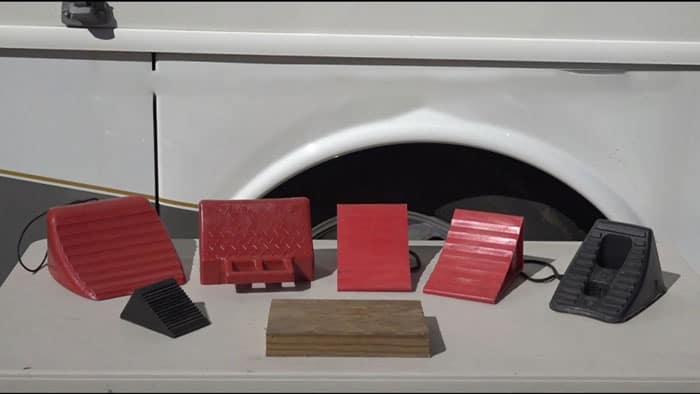
Wheel chocks prevent the RV from rolling on uneven terrain. Most campsite accidents happen during setup and breakdown — not while driving. A quality set costs under $40 and eliminates a significant risk that most newcomers overlook entirely.
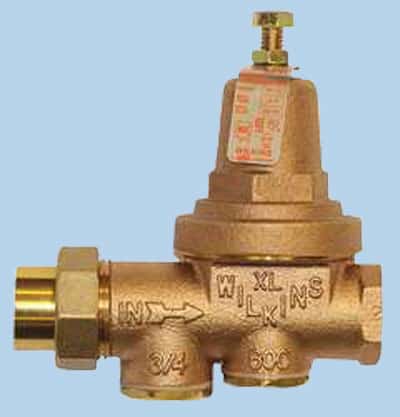
Water pressure regulators protect internal plumbing from campground hook-ups that push excessive pressure. Campground water pressure ranges wildly — from 40 PSI to over 100 PSI. Without a regulator, pipes and fittings can crack within a season of regular use.
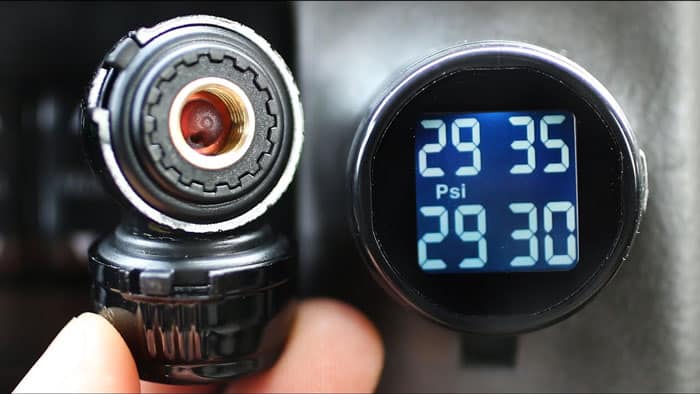
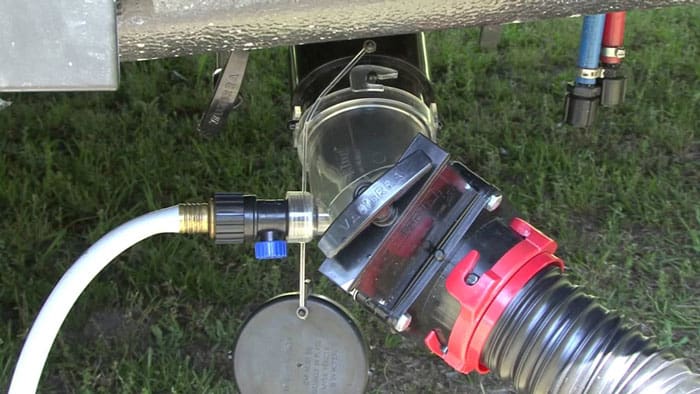
A tire pressure monitoring system (TPMS — sensors that alert the driver in real time when a tire loses pressure) is critical for large rigs at highway speed. Our team has tested several units and recommends any system with external valve-cap sensors and an audible cab alert. It pairs with a quality auto sewer flush valve, which automates black-water tank rinsing and keeps odor issues manageable on longer stays.
Tech and Connectivity Gear
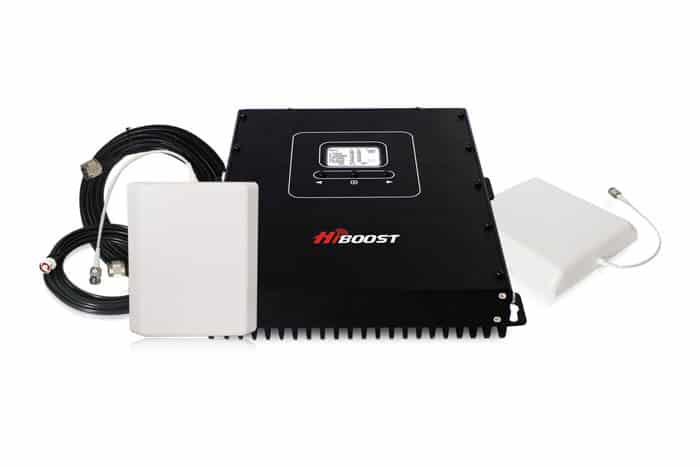
Staying connected is a top priority for most RV travelers. A cell phone signal booster amplifies weak carrier signals in remote campsite areas. Our team found that boondocking spots frequently sit in marginal coverage zones where a booster turns an unusable signal into a working one. Anyone troubleshooting persistent connectivity drops should also read our guide on fixing wireless adapter and access point problems — many of the diagnostics apply to mobile setups as well.
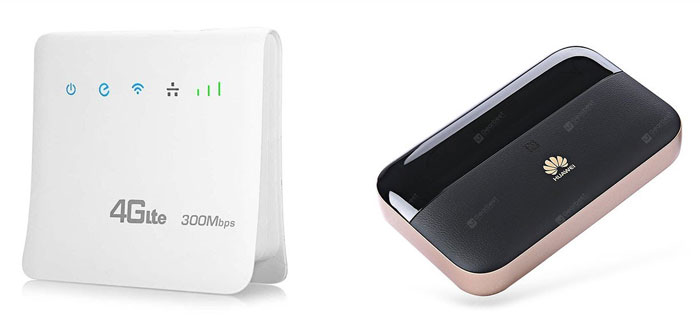
A mobile Wi-Fi hotspot creates a private network from a cellular data plan. Campground Wi-Fi is notoriously slow and unsecured. Remote workers living in RVs who rely on cloud software benefit significantly from a dedicated hotspot — our team has tested this setup extensively and recommends pairing it with solid cloud-based productivity tools that perform well on limited bandwidth.
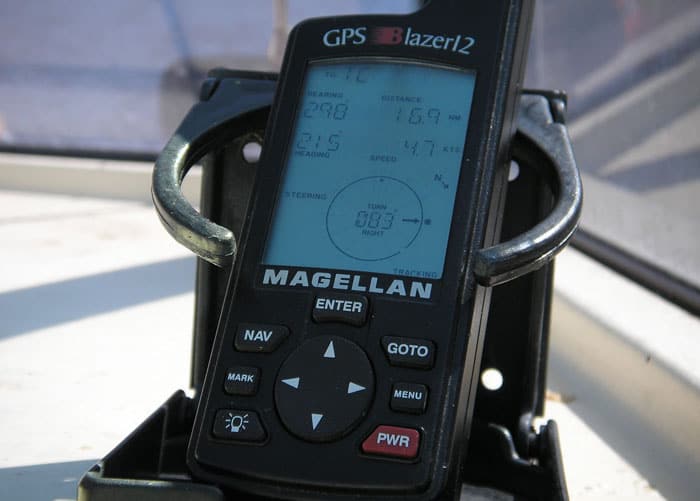
A GPS system designed for RVs accounts for bridge heights, weight limits, and propane tunnel restrictions that standard navigation apps miss entirely. Our team considers this a high-priority purchase — one wrong turn with a 13-foot-tall rig can be a very expensive lesson.
What Most People Get Wrong About RV Gear
The "More Is Better" Mistake
The most common error our team sees among new RV owners is buying everything at once. Storage space inside an RV is finite and valuable. Every item added must earn its place. Most people benefit from a phased approach — safety essentials first, comfort and entertainment after the first few trips reveal what is actually used.
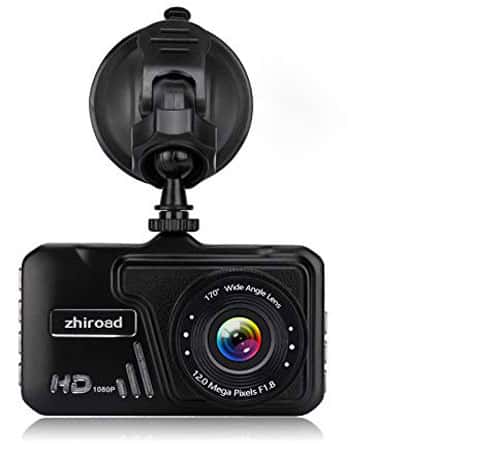
A dashboard camera is an early investment that pays dividends. Insurance claims involving RVs resolve far faster with video evidence. Our team recommends a front-facing unit with at least 1080p resolution, wide-angle lens, and loop recording (meaning it overwrites old footage automatically).
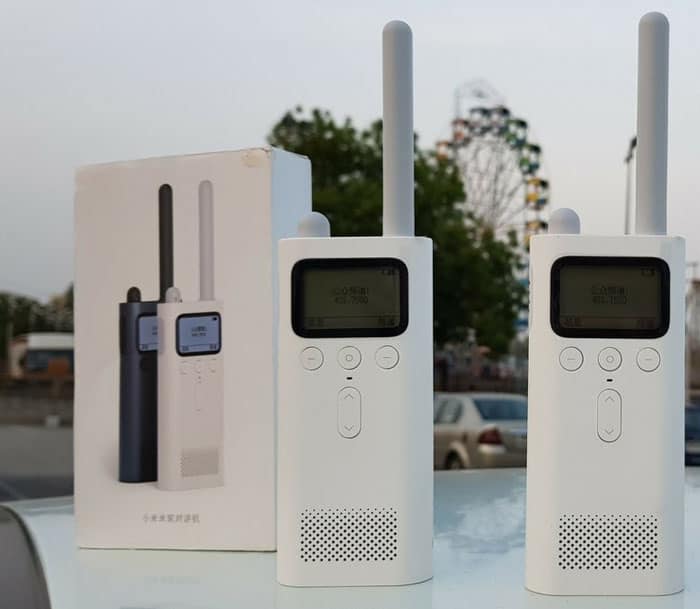
Walkie talkies strike many people as outdated. In campsite environments where cell service fails during backup maneuvers and setup, a quality pair of FRS/GMRS (short-range two-way) radios is irreplaceable. Our team uses them on every trip where one person drives and another guides the rig into a tight spot.
Brand Name vs. Value Picks
Premium branding dominates the RV accessory market. Our testing shows that mid-range products from reputable sellers match premium performance for commodity items like flashlights and cleaning supplies. The budget savings should be redirected toward critical systems — solar panels, TPMS units, and signal boosters — where quality has a direct safety impact.
Cleaning wipes and multi-surface sprays are another category where brand loyalty wastes money. Any antibacterial wipe handles RV interior surfaces equally well. Our team buys these in bulk and sees zero difference in performance compared to premium camping-branded alternatives.

Smart Timing — When to Buy and When to Wait
Lock These In Before Trip One
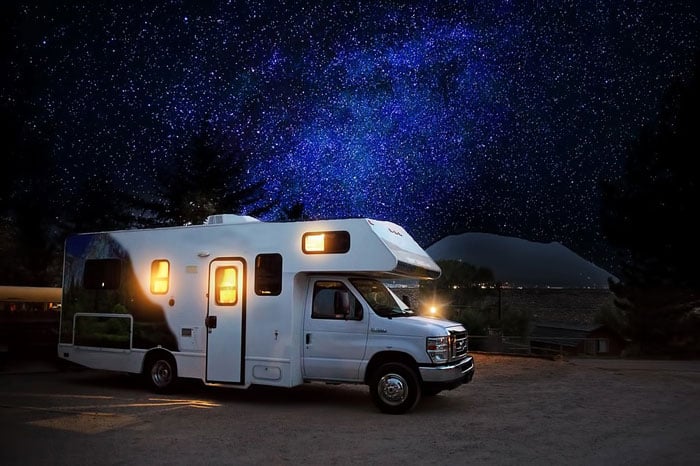
Certain rv accessories must be in place before the first departure. According to the Wikipedia overview of recreational vehicles, RVs span from basic camper vans to fully self-contained motorhomes — but every class shares common vulnerability points: tires, water systems, and power supply. Those three areas need coverage first.
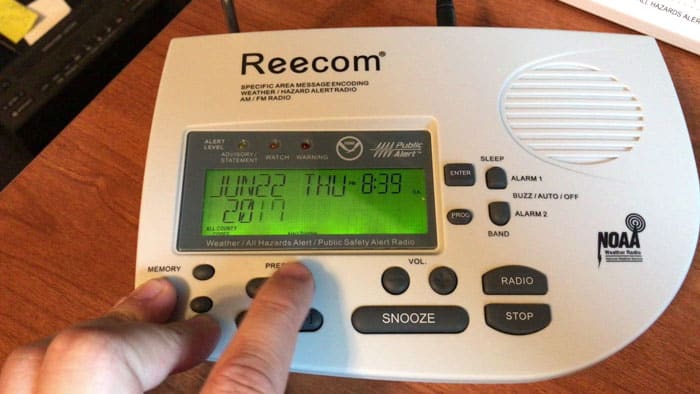
A weather radio delivers NOAA (National Oceanic and Atmospheric Administration) alerts even when cellular service is completely absent. Our team treats it as mandatory safety equipment in the same category as the smoke detector. Severe weather moves fast at campgrounds with limited shelter options.
Mosquito repellent matters more than most newcomers expect. Evening hours at wooded sites in warm months can make outdoor sitting nearly unbearable without protection. Our team carries both a topical spray and a portable repellent device for the awning area.

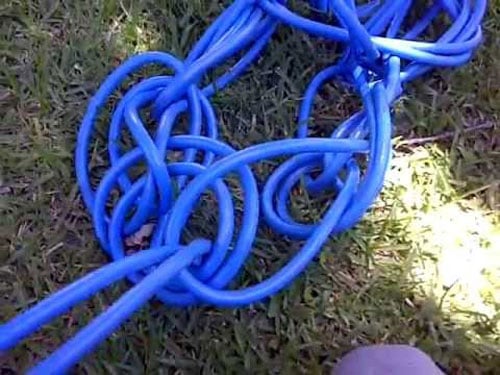
Always pack extra cords and hoses before every departure. Campground electrical pedestals and water connections use different configurations — a missing 30-to-50-amp adapter means no power until a hardware store opens the next morning.
Hold Off Until Experience Guides the Decision
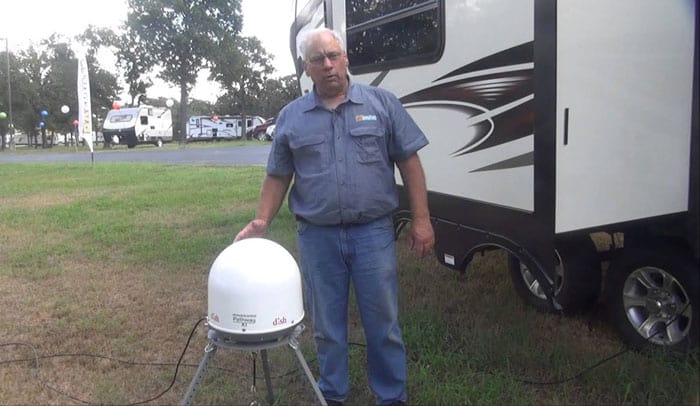
An RV satellite dish sounds appealing before the first trip. In practice, setup time, alignment hassles, tree obstructions, and monthly subscription fees frustrate many buyers. Our team recommends waiting until the second season before committing to satellite TV. Real usage patterns become clear after a few trips.
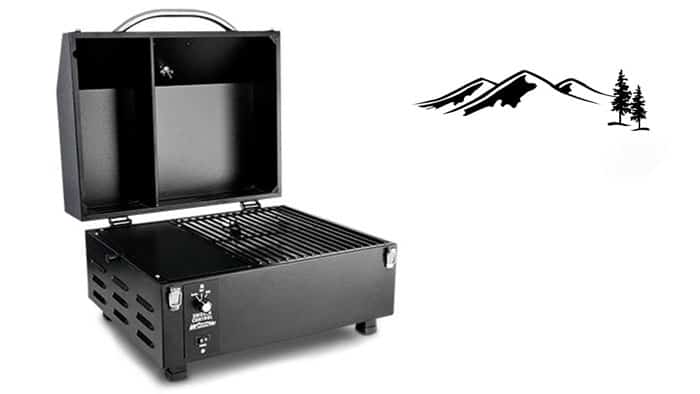
A portable meat smoker and a frozen drink maker are camp luxuries that demand storage space and added cleanup. Most people discover after a few trips whether outdoor entertaining is truly central to their camping lifestyle. Our team suggests borrowing or renting these items for one trip before purchasing.

Pro Strategies for Power, Kitchen, and Comfort
Power Management on the Road
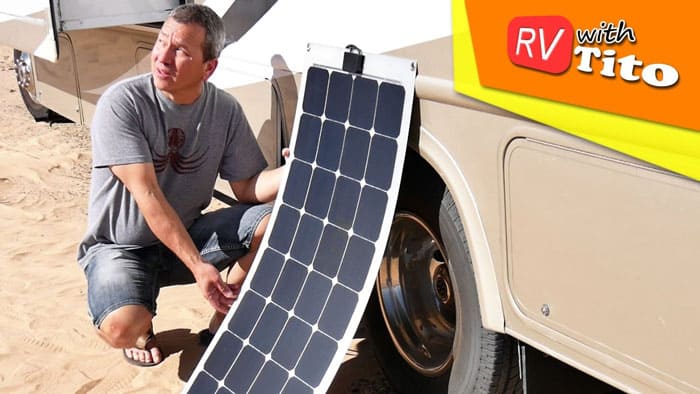
Solar power changes the RV experience for anyone who boondocks or dry camps. An RV solar charging system feeds battery banks and reduces reliance on generator noise and fuel. Our team has tested setups from 100-watt portable panels to full rooftop arrays. Meaningful returns start around 200 watts of panel capacity for a typical family rig. If refrigerator problems emerge alongside power management issues, our team's article on RV refrigerator not working while the freezer runs fine covers the most common causes.
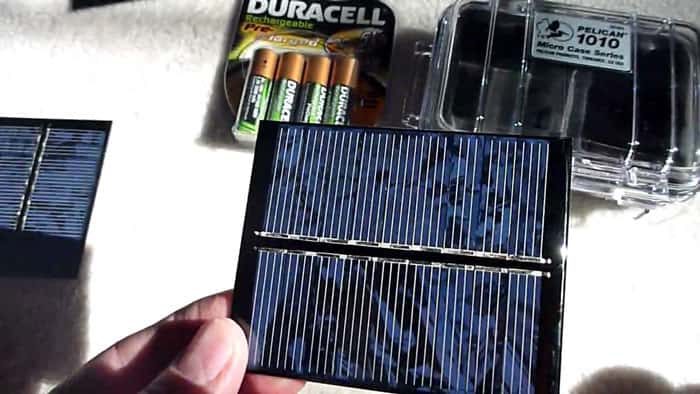
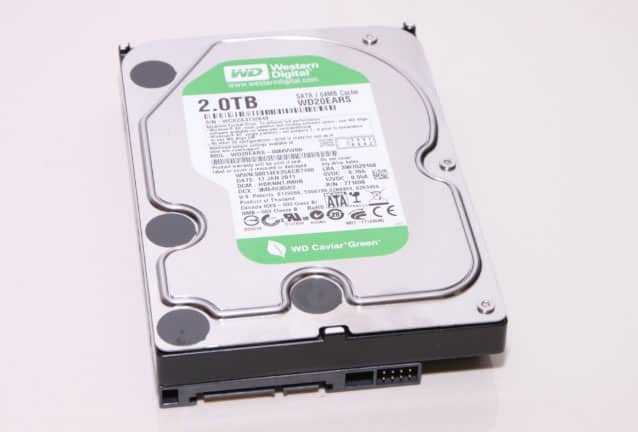
A mini solar device charger is a compact backup for phones and tablets when the main battery bank is reserved for critical systems. These fold flat and weigh under a pound. Our team carries one as a failsafe on every boondocking trip. A data storage device loaded with offline entertainment is equally important — most people don't think about offline movies and maps until the nearest cell tower is three hours away. Families traveling with kids should note that even popular games like Minecraft with ray tracing run offline on a laptop loaded ahead of time.
Staying connected with family during extended trips is easier when messaging apps are set up correctly in advance. Anyone crossing borders or traveling without a consistent phone number should know that WhatsApp works on a laptop without a phone number — useful when a phone SIM changes between countries.
Kitchen Setup and Everyday Comfort
Cast iron cookware is the best camp kitchen investment our team has made. A 10-inch skillet and a Dutch oven handle 90% of camp meals on open flame, camp stoves, and RV propane cooktops alike. Unlike non-stick pans, cast iron improves with every use and lasts for decades without replacement.

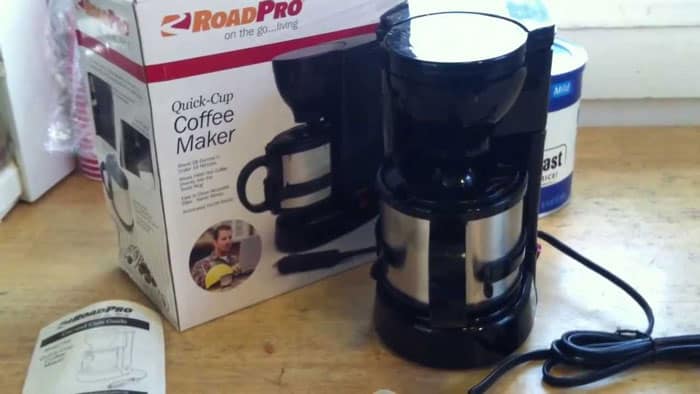
A portable coffee maker earns its counter space on day one. Our team tested drip-style, pour-over, and pod-based camp units. Pod-based wins on convenience; pour-over wins on flavor and zero electricity draw. A micro blender running off a 12V DC adapter adds smoothies and protein shakes to the menu without demanding shore power.

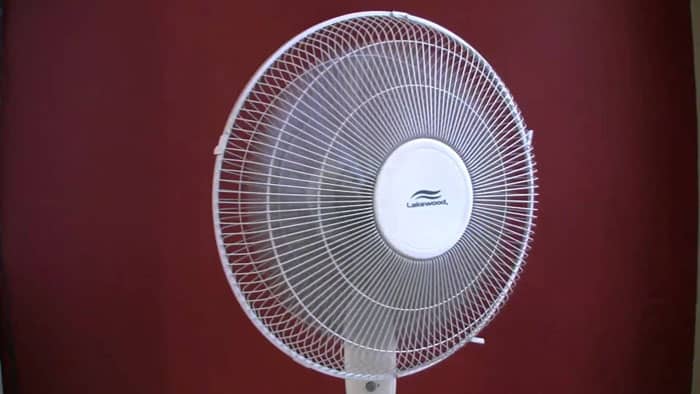
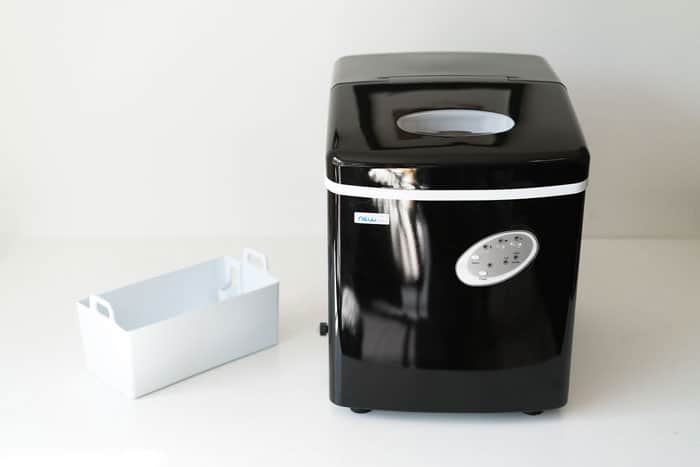
An oscillating fan improves interior airflow dramatically. Most built-in RV HVAC systems cycle on and off in wide temperature swings. A small fan running continuously keeps the cabin temperature even and reduces how often the main AC unit kicks in. Anyone dealing with AC cycling issues can find specific solutions in our guide on RV air conditioner keeps turning on and off. A portable ice cube maker pairs naturally with the fan — cold drinks and steady airflow make hot-weather camping genuinely comfortable.
First-Timer Picks vs. Veteran Upgrades
The Starter Kit That Covers the Basics
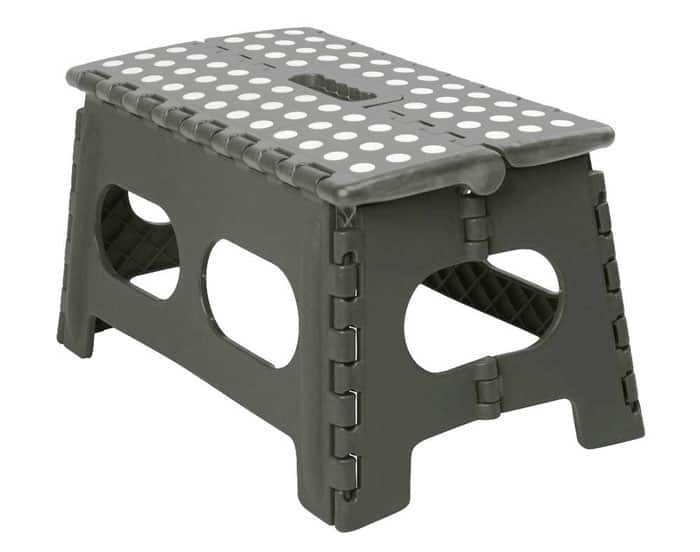
The beginner rv accessories list focuses on safety, function, and minimal storage impact. Our team recommends every first-timer confirm these items are aboard before departure: safety kit, wheel chocks, water pressure regulator, TPMS, flashlight, extra cords and hoses, folding step stool, walkie talkies, and a weather radio. That foundation covers the non-negotiables for any trip length.
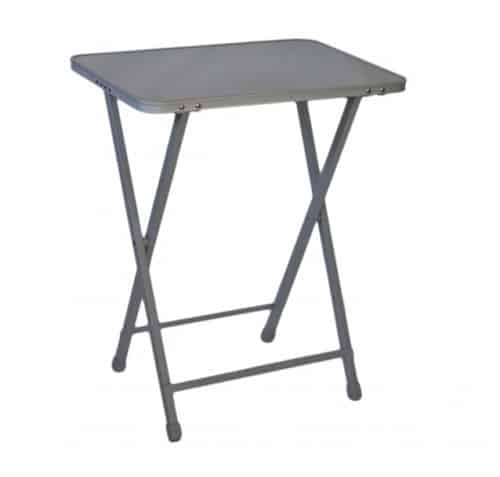
A folding utility table and a set of camp chairs and hammocks round out the outdoor living setup. The table handles meal prep, card games, and laptop work at the campsite. A hammock costs under $30 and delivers exceptional relaxation return per cubic foot of storage space.

Advanced Additions for Long-Haul Living
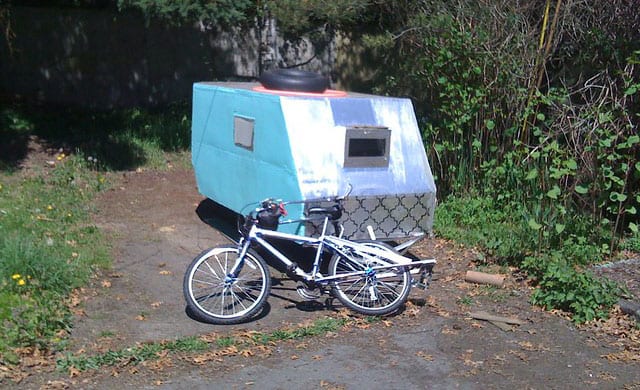
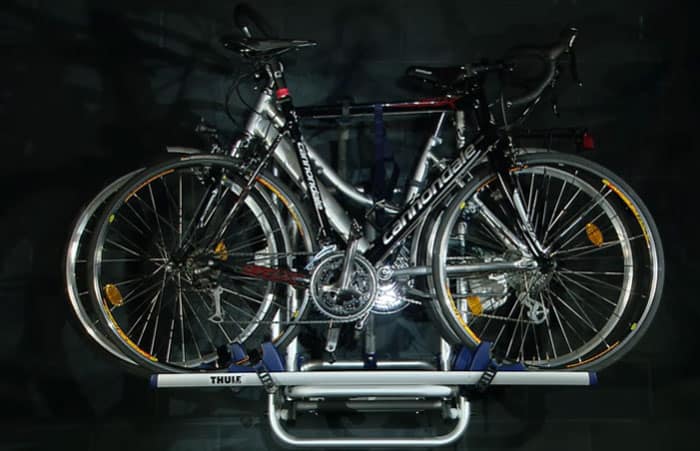
Full-time RVers and seasoned travelers add a second layer of comfort and redundancy. RV bicycles mounted on a hitch rack expand exploration at every campsite without moving the rig. Our team has tested several rack designs and recommends models with anti-tilt locking arms for highway driving stability.
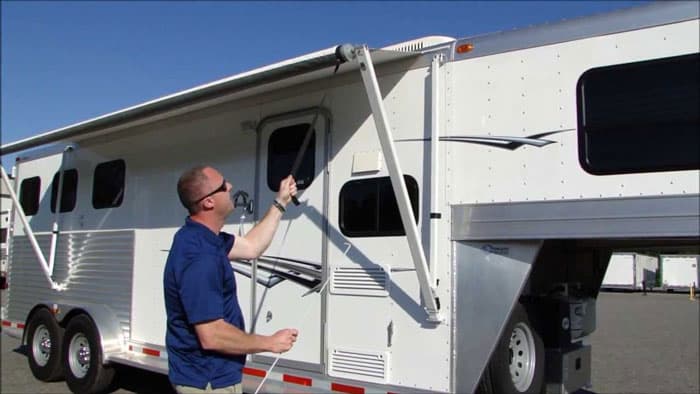
A full RV awning creates a shaded outdoor room at every stop. Experienced campers rank it among the best quality-of-life upgrades available. Paired with flameless battery-operated candles, the awning space becomes a comfortable evening gathering area without any fire risk inside or near the rig.

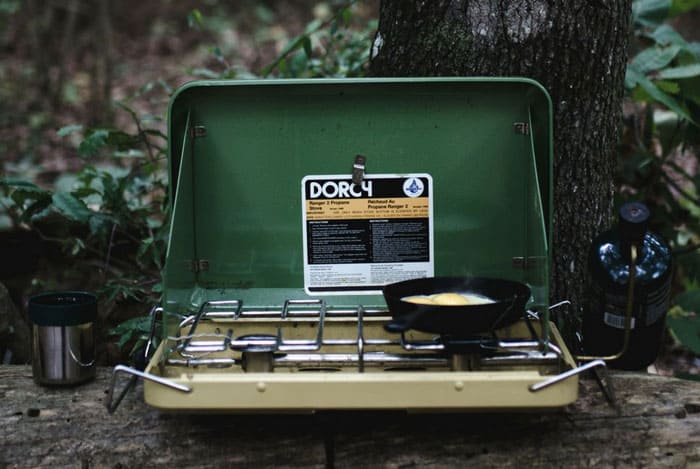
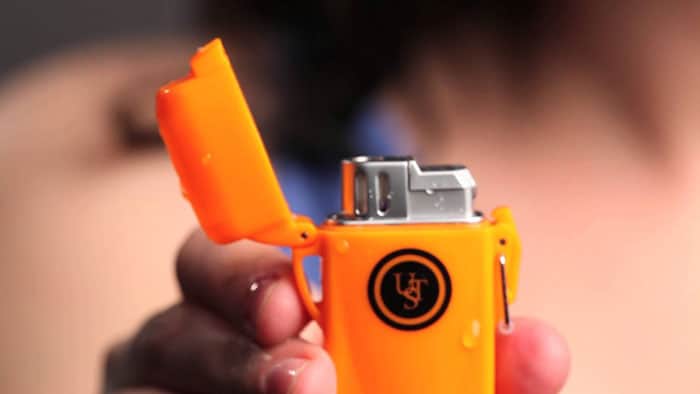
An outdoor camp stove or portable oven expands cooking options beyond the RV's built-in range. Our team recommends a two-burner camp stove for daily flexibility. A waterproof lighter (ignites reliably in rain and high wind) rounds out the outdoor kitchen setup. Unlike standard lighters, waterproof models use an arc ignition that works in the worst camping weather.
Frequently Asked Questions
What are the most essential rv accessories for a first trip?
Our team recommends locking in safety and utility items first: a complete safety kit, wheel chocks, water pressure regulator, tire pressure monitoring system, flashlight, and a full set of extra cords and hoses. These cover the most common risk areas before any comfort gear is considered.
How much should most people budget for a solid rv accessories starter kit?
A functional starter kit covering safety, utility, and basic comfort typically runs $300 to $700. Tech and connectivity gear — solar panels, signal boosters, GPS — adds another $500 to $1,500. Full-time RVers commonly invest $3,000 or more across the first two years as real usage patterns emerge.
Is an RV solar charging system worth the investment for occasional campers?
For weekend campers at established campgrounds with electrical hookups, solar is a comfort upgrade rather than a necessity. For anyone who dry camps or boondocks more than twice a season, our team considers a basic 200-watt solar setup essential — it maintains battery health and eliminates generator dependence at quiet-hour campsites.
Do most RVers actually need a dedicated GPS unit when phone apps are available?
Standard navigation apps are not built for RV routing. They do not account for bridge clearance heights, weight limits, tunnel restrictions, or low-clearance roads. An RV-specific GPS unit or dedicated routing app prevents dangerous and costly routing errors that our team has seen strand large rigs on narrow county roads.
What rv accessories are most commonly forgotten before a first trip?
Our team's experience consistently points to three oversights: a water pressure regulator, extra electrical adapters for campground pedestals, and mosquito repellent for evening hours at wooded sites. All three are inexpensive, compact, and urgently needed the moment they are missing.
How does a cell phone signal booster work inside an RV?
A signal booster uses an exterior-mounted antenna to capture available cellular signal from distant towers, amplifies it electronically, and rebroadcasts it inside the rig. It does not manufacture signal where absolutely none exists, but it turns marginal signals into usable connections. Most RV-rated units support multiple carriers simultaneously through a single device.
Next Steps
- Run through the priority table in this guide and confirm that every "Essential" item is already aboard the rig — wheel chocks, water pressure regulator, TPMS, safety kit, extra cords, and a weather radio represent the minimum safe departure checklist.
- Check carrier coverage maps for the next planned campsite and decide whether a cell signal booster justifies the investment based on that specific location's dead-zone history.
- Calculate the rig's average daily power draw — lights, refrigerator, fan, devices — and compare it against current battery capacity to determine whether a solar panel system makes financial sense for the travel style.
- Browse the RV Gear category page for in-depth reviews and buying guides covering the accessories discussed throughout this post.
- Build a pre-trip departure checklist organized by the three priority tiers in the table above — Essential, High Priority, and Nice-to-Have — and run through it before every departure without exception.


About Jake Mercer
Jake Mercer spent twelve years behind the wheel as a long-haul trucker, covering routes across the continental United States and logging well over a million miles. That career gave him an unusually thorough education in CB radio equipment — he has tested base station antennas, magnetic mounts, coax cables, and handheld units in real-world conditions where reliable communication actually matters. After leaving trucking, Jake transitioned to full-time RV travel and has since put hundreds of RV accessories through their paces across national parks, boondocking sites, and full-hookup campgrounds from Montana to Florida. At PalmGear, he covers RV gear and accessories, CB radios, shortwave receivers, and handheld radio equipment.
You can get FREE Gifts. Or latest Free phones here.
Disable Ad block to reveal all the info. Once done, hit a button below