How to Raise Funds Selling T-Shirts Online
by Alice Davis
What separates a profitable t shirt fundraiser from one that barely breaks even? The answer lies in production method, platform selection, and design strategy. A well-executed t shirt fundraiser leverages on-demand printing or heat press vinyl techniques to minimize upfront costs while maximizing per-unit margins. Organizations that treat this as a logistics problem — not just a creative one — consistently outperform those that rely on enthusiasm alone.
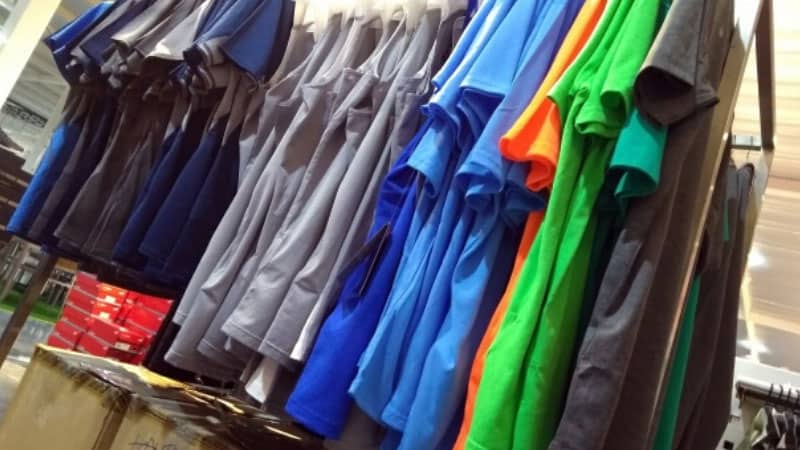
This guide covers the full pipeline: selecting the right tools, building designs that sell, choosing a sales platform, avoiding common pitfalls, and maintaining garment quality after delivery. Whether producing shirts in-house with a heat press or using a print-on-demand fulfillment service, every decision affects the bottom line.
Contents
- 1. Essential Tools and Equipment for T-Shirt Fundraiser Production
- 2. How to Launch a T-Shirt Fundraiser Step by Step
- 3. T-Shirt Fundraiser Platforms That Deliver Results
- 4. Critical T-Shirt Fundraiser Mistakes and How to Avoid Them
- 5. Troubleshooting Common Production and Sales Issues
- 6. Garment Care and Post-Sale Quality Assurance
1. Essential Tools and Equipment for T-Shirt Fundraiser Production
1.1 Heat Press Setup
In-house production offers the highest margins per shirt. A clamshell or swing-away heat press, a vinyl cutter, and quality HTV are the core requirements. Organizations pressing 50 or more shirts should invest in a 15×15-inch platen at minimum.
Required equipment for in-house t shirt fundraiser production:
- Heat press machine (clamshell for beginners, swing-away for volume)
- Vinyl cutter (Cricut Maker or Silhouette Cameo series)
- HTV rolls — standard for light garments, printable for photo-quality designs
- Teflon sheets and heat-resistant tape
- Blank shirts (ring-spun cotton, 5.3 oz minimum weight)
Understanding heat press pressure settings is non-negotiable. Incorrect pressure causes incomplete transfers, peeling edges, and wasted materials. Each HTV brand specifies its own temperature, time, and pressure requirements.
1.2 Print-on-Demand as an Alternative
Print-on-demand (POD) eliminates inventory risk entirely. Services like Bonfire, Custom Ink, and Printful handle printing, packing, and shipping. The trade-off is lower per-unit profit — typically $5–$10 per shirt versus $12–$18 with in-house pressing.
POD suits organizations that lack equipment or need to ship nationwide. In-house pressing suits local campaigns with controlled distribution. Many successful fundraisers combine both approaches.
2. How to Launch a T-Shirt Fundraiser Step by Step
2.1 Design Phase
Design quality directly correlates with sales volume. A mediocre design on a premium blank will underperform a strong design on a standard blank every time.
- Define the campaign message. One clear slogan or visual. Avoid committee-designed artwork.
- Choose a color palette. Limit to 2–3 colors maximum. Fewer colors reduce HTV layering complexity and POD printing costs.
- Select garment colors. Dark shirts require specialty HTV or transfer paper. Review techniques for pressing on dark shirts before committing to dark blanks.
- Create production-ready files. Vector formats (SVG, EPS) for vinyl cutting. 300 DPI PNG with transparent background for POD platforms.
- Test press a sample. Always produce one test garment. Check adhesion, color accuracy, and placement before full production.
2.2 Platform Selection and Storefront Setup
The sales platform determines checkout friction, payment processing, and fulfillment logistics. Select based on campaign size and technical capacity.
- Register on the chosen platform. Provide organization details and tax-exempt documentation if applicable.
- Upload designs and set pricing. Factor in base cost, platform fees, and desired profit margin.
- Configure the campaign duration. Fixed-window campaigns (14–21 days) create urgency. Open-ended campaigns reduce pressure but lower conversion rates.
- Set up payment routing. Confirm funds go directly to the organization account, not an individual.
- Launch with a coordinated promotion push. Email lists, social media, and direct outreach on day one.

3. T-Shirt Fundraiser Platforms That Deliver Results
3.1 Platform Comparison
| Platform | Base Shirt Cost | Typical Profit/Shirt | Fulfillment | Best For |
|---|---|---|---|---|
| Bonfire | $10–$14 | $7–$12 | POD + shipping | Online-only campaigns |
| Custom Ink | $8–$16 | $5–$10 | Bulk or POD | Large organizations |
| Inkd Apparel | $9–$13 | $8–$14 | POD + direct ship | Sports teams, schools |
| Fan Cloth | Varies | 50% profit model | Bulk to organizer | Youth athletics |
| In-House (Heat Press) | $3–$6 | $12–$18 | Self-managed | Local events, max margin |
According to the Wikipedia overview of fundraising, merchandise-based campaigns consistently outperform direct solicitation for small organizations because donors receive tangible value in return.
3.2 Proven Campaign Examples

A high school booster club using Inkd Apparel sold 340 shirts in 18 days, netting over $4,000 with zero upfront investment. Their success factors:
- Single bold design with school colors — no variant paralysis
- Fixed 14-day window announced at a home game
- Social media countdown posts every 3 days
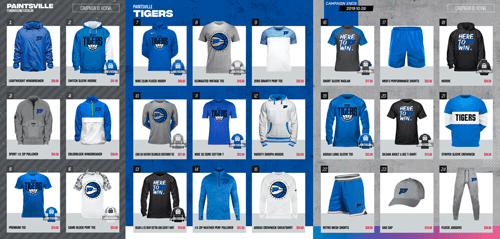
Fan Cloth operates on a 50% profit-share model popular with youth sports organizations. A swim team campaign moved 200 units in 10 days through parent email chains alone. The platform handles all production and shipping, making it ideal for volunteer-run groups with no technical staff.
In-house operations scale differently. A community nonprofit with a heat press and multi-color HTV layering skills produced 150 shirts at $4.50 each and sold them at $25, clearing over $3,000. The labor investment was significant — roughly 20 hours — but the margin per unit was unmatched.
4. Critical T-Shirt Fundraiser Mistakes and How to Avoid Them
4.1 Pricing Errors
Underpricing is the most common t shirt fundraiser failure. Organizations frequently set prices at $15–$18 when the market comfortably supports $22–$28 for cause-driven apparel. Supporters expect to pay a premium. Leaving money on the table is not generosity — it is poor planning.
- Ignoring platform fees. Payment processing (2.9% + $0.30) and platform commissions erode margins.
- Forgetting shipping costs. Either build shipping into the price or use free-shipping thresholds to increase order size.
- Offering too many variants. Every additional color, size, or style fragments the order pool and increases complexity.
4.2 Design and Production Pitfalls
- Low-resolution artwork. Pixelated prints destroy credibility. Source vector files or 300+ DPI rasters only.
- Overcomplicating the design. Fine details under 1/4 inch do not transfer well with HTV. Simplify.
- Skipping test presses. A $5 test shirt prevents a $500 batch failure.
- Wrong HTV type for the fabric. Standard calendered HTV on polyester causes dye migration. Use low-temp or sublimation-blocking HTV for synthetic blends.
5. Troubleshooting Common Production and Sales Issues
5.1 Print Quality Failures
Production problems fall into predictable categories. Diagnose before discarding material.
- Vinyl peeling after pressing: Insufficient time or pressure. Increase press time by 3–5 seconds and verify platen pressure with a pressure test pad.
- Scorch marks on garment: Temperature too high or press time too long. Reduce temperature by 10°F and use a Teflon sheet barrier.
- Uneven transfer: Warped platen or inconsistent pressure. Check alignment and consider a swing-away press for uniform distribution.
- Colors bleeding on dark shirts: Dye migration from polyester content. Switch to low-temp HTV or pre-press the blank for 5 seconds to drive out moisture.
For persistent issues, consult a comprehensive guide on common heat press problems and fixes to systematically eliminate variables.
5.2 Sales Stalls and Low Conversion
A t shirt fundraiser that stalls mid-campaign needs immediate intervention:
- Low traffic: Increase promotion frequency. Post daily during the final week. Use countdown urgency.
- High traffic, low conversion: Price resistance or unappealing mockups. Improve product photography — lifestyle shots outperform flat lays.
- Cart abandonment: Simplify checkout. Reduce form fields. Offer PayPal or Apple Pay alongside credit cards.
- No repeat sharing: Add social sharing incentives. "Share and unlock free shipping" mechanisms drive organic reach.
6. Garment Care and Post-Sale Quality Assurance
6.1 Wash and Care Instructions
Post-sale garment care determines whether supporters become repeat buyers or one-time donors. Every shirt should ship with printed care instructions. Refer supporters to detailed guidance on washing and caring for heat pressed shirts to protect transfer longevity.
- Turn garments inside out before washing.
- Use cold water only. Hot water degrades HTV adhesive bonds.
- Avoid bleach and fabric softener — both attack vinyl adhesion.
- Tumble dry on low or hang dry. High heat reactivates adhesive and causes shifting.
- Do not iron directly over the transfer. Use a pressing cloth if touch-up is needed.
6.2 Maximizing Vinyl Longevity
HTV longevity depends on initial application quality and garment care compliance. Properly pressed transfers on 100% cotton survive 50+ wash cycles without visible degradation.
- Post-press cool peel vs. hot peel: Follow the HTV manufacturer specification exactly. Peeling at the wrong temperature causes micro-lifting.
- Layered designs: Press base layers at recommended settings, then reduce temperature by 5–10°F for each subsequent layer to avoid reactivating previous layers.
- Storage: Store finished shirts flat or folded with tissue paper between layers. Avoid hanging — gravity stretches the garment around the transfer area over time.
Key Takeaways
- A t shirt fundraiser achieves maximum margins through in-house heat press production at $12–$18 profit per unit, while print-on-demand platforms trade margin for zero-inventory convenience.
- Campaign success depends on a single strong design, a fixed sales window of 14–21 days, and aggressive day-one promotion across all available channels.
- Proper heat press settings, quality HTV selection, and correct garment care instructions are essential to delivering shirts that supporters will actually wear and promote.
- Pricing at $22–$28 meets supporter expectations for cause-driven apparel — underpricing leaves substantial funds on the table without increasing sales volume.


About Alice Davis
Alice Davis is a crafts educator and DIY enthusiast based in Long Beach, California. She spent six years teaching textile design and applied arts at a community college, where she introduced students to everything from basic sewing techniques to vinyl cutting machines and heat press printing as practical, production-ready tools. That classroom experience means she has put more sewing machines, embroidery setups, Cricut systems, and heat press units through real project work than most reviewers ever will. At PalmGear, she covers sewing machines and embroidery tools, vinyl cutters, heat press gear, Cricut accessories, and T-shirt printing guides.
You can get FREE Gifts. Or latest Free phones here.
Disable Ad block to reveal all the info. Once done, hit a button below