Essential Accessories for the Cricut Explore Air
by Alice Davis
The mat kept peeling off the cutting bed mid-run. The vinyl came out with ragged edges instead of the clean lettering the tutorial promised. After two wasted sheets and a frustrating half-hour, the culprit turned out to be a dull blade and the wrong mat grip level. If that scenario sounds familiar, the issue almost certainly wasn't your design or your technique. The right accessories for the Cricut Explore Air are what separate clean, professional-looking results from ruined material and reset expectations.
The Cricut Explore Air is one of the most capable home cutting machines available, used for vinyl decals, iron-on transfers, paper crafts, cardstock projects, and more. But the machine performs only as well as the tools supporting it. According to Wikipedia's overview of die-cutting technology, precision cutting systems depend on consistent blade pressure and surface adhesion — two factors your accessories control directly. Whether you're new to the machine or trying to get better results from a setup you've had for a while, this guide walks through what matters, what to skip, and how to build a kit that actually works. For more on vinyl and heat-press crafting, the heat press and vinyl section of PalmGear has additional guides worth exploring.
Contents
- The Core Accessories for the Cricut Explore Air
- How to Match the Right Mat to Your Material
- Fast Upgrades That Immediately Improve Your Results
- Tips for Getting More From Your Accessories
- When to Invest in Premium Accessories
- Accessory Mistakes That Derail Your Projects
- Keeping Your Cricut Accessories in Good Shape
- How Crafters Use These Accessories in Practice
- Building Your Accessory Collection Over Time
The Core Accessories for the Cricut Explore Air
Before you start adding specialty tools to your kit, there are a few foundational accessories for the Cricut Explore Air that every user should have in place. These aren't optional upgrades. They're the components that allow the machine to perform as it was designed to. Miss one, and the results will reflect it in every project you run.
Cutting Mats
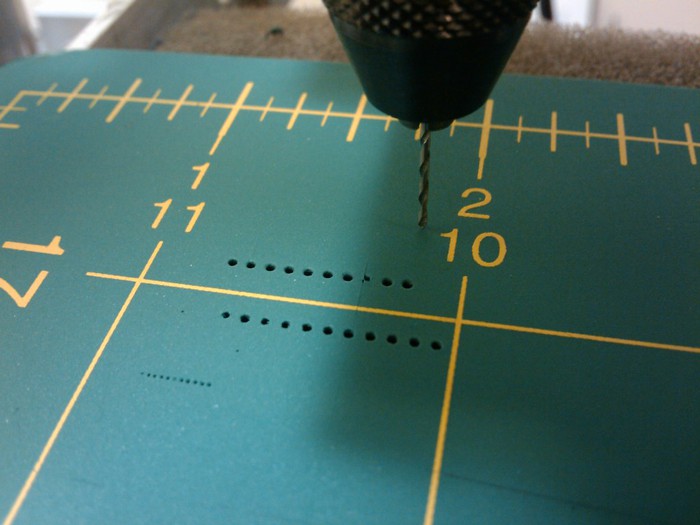
The cutting mat is the surface your material rests on while the blade passes over it. A layer of adhesive on the mat surface holds the material in place during the cut. Without adequate grip, the material shifts mid-cut, and the blade cuts in the wrong place. Cricut produces mats in four grip levels: LightGrip (blue), StandardGrip (green), StrongGrip (purple), and FabricGrip (pink). Each is calibrated for a different set of materials, and using the wrong one is among the most common causes of failed projects.
Most beginners start with the StandardGrip mat, which is a reasonable starting point. It handles vinyl, iron-on, and standard cardstock — the materials most new crafters work with first. As your projects expand, you'll find specific reasons to add the other grip levels, but the StandardGrip covers a wide enough range to support months of varied work on its own.
Replacement Blades
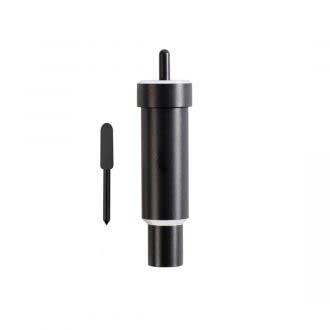
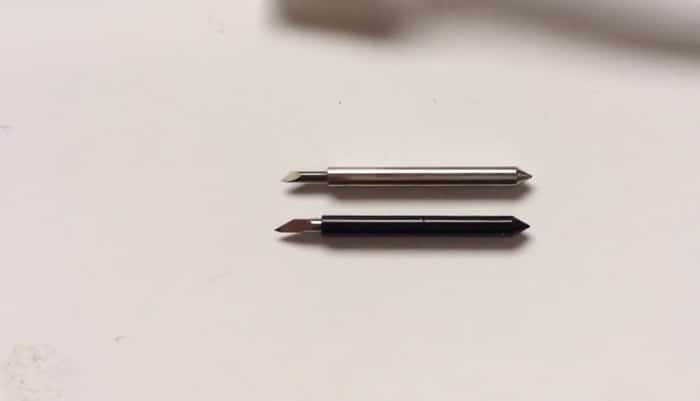
Blades dull with use, and a dull blade changes everything. Where a sharp blade glides cleanly through vinyl, a worn blade drags. It leaves torn edges instead of smooth ones, creates partial cuts that don't release properly, and forces you to re-cut — wasting material each time. Cricut's Premium Fine-Point Blade is the standard option and handles most everyday cutting tasks. The Deep-Point Blade is built for thicker materials like chipboard and heavy foam. The Bonded Fabric Blade carries a specialized coating for cutting fabric on a FabricGrip mat.
Plan to replace your blade every two to three months if you cut regularly. Heavy paper dulls blades faster than vinyl, so the right replacement interval depends on what you cut most. A safe rule: whenever you notice tearing, ragged edges, or lines the blade didn't cut all the way through, replace the blade before running another project.
How to Match the Right Mat to Your Material
Choosing the correct mat for your material is one of the most practical skills you can develop with the Cricut Explore Air. The wrong match creates one of two problems: the material lifts mid-cut because the grip is too light, or it tears when you peel it off because the grip is too heavy. The following breakdown covers what each mat is designed to do and when to reach for it.
LightGrip and StandardGrip Explained
The LightGrip mat is built for thin, delicate materials — copy paper, lightweight cardstock under 60 lb., and vellum. Because these materials have limited structural strength, a stickier surface would damage them on removal. The StandardGrip mat covers the middle range: standard cardstock, adhesive vinyl, heat transfer vinyl (also called iron-on), and most thin plastic films. If you're cutting decals for mugs, tumblers, or wall art, the StandardGrip mat is the one you'll use most often. It delivers enough hold to keep vinyl flat and stable without making removal difficult.
StrongGrip and FabricGrip Options
The StrongGrip mat handles materials that need extra force to cut through or that would slide on a standard surface. Chipboard, heavy craft foam, thick leather, and glitter cardstock all fall into this category. The glitter cardstock case is especially worth noting — its abrasive surface can cause even a fresh blade to wear faster, and a StrongGrip mat ensures it stays flat throughout the cut. The FabricGrip mat uses a different adhesive texture than the others, designed to grip fabric without leaving residue or catching threads. If you're cutting cotton, felt, or fleece for sewing or appliqué projects, this mat produces cleaner edge quality than using a standard adhesive surface.
| Mat Type | Color | Best Materials | Avoid Using With |
|---|---|---|---|
| LightGrip | Blue | Thin paper, vellum, light cardstock | Vinyl, iron-on, heavy cardstock |
| StandardGrip | Green | Adhesive vinyl, iron-on, standard cardstock | Tissue paper, delicate fabrics |
| StrongGrip | Purple | Chipboard, thick foam, leather, glitter cardstock | Thin or delicate papers |
| FabricGrip | Pink | Cotton, felt, fleece, bonded fabric | Paper, vinyl, rigid materials |
Fast Upgrades That Immediately Improve Your Results
Some accessories for the Cricut Explore Air improve your output the moment you add them to your process. These aren't long-term investments that pay off over years. You'll notice the difference on your next project.
Weeding Tools
Weeding is the step where you remove excess vinyl — called the negative space or waste material — from your cut design before applying it. Done with your fingers, this process is imprecise and risks disturbing the pieces you want to keep. A weeding hook, which looks like a small dental pick, gives you the control to lift individual pieces cleanly without pulling up adjacent cuts. Cricut sells weeding tools individually and as part of accessory bundles. For intricate designs with fine lettering or small shapes, a BrightPad (an illuminated light pad) placed under your mat makes the cut lines visible from below, making weeding faster and more accurate than working under overhead lighting alone.
Transfer Tape
Transfer tape is the adhesive carrier sheet that moves your weeded vinyl design from its backing paper to its final destination — a phone case, a wall, a cutting board, a water bottle. You lay the tape over your weeded design, press it down firmly, peel the entire design off the backing, align it on your surface, and then smooth it down. Without transfer tape, applying any design with multiple pieces accurately is nearly impossible. Cricut's StandardGrip Transfer Tape handles most everyday vinyl applications. For complex cuts with many small elements, a grid-lined transfer tape adds alignment guides that simplify centering and spacing.
Tips for Getting More From Your Accessories
The accessories themselves are only part of the equation. How you use and maintain them determines how long they last and how consistently they perform. Several techniques, reported by experienced crafters, extend the value of every item in your kit.
Extending Your Mat's Life
A brand-new mat is often too sticky. Materials like thin paper may bond so firmly to a new surface that they tear when removed. Many experienced crafters recommend dabbing a new mat several times with a clean cotton shirt before its first cut. The fabric transfers just enough lint to reduce the initial over-adhesion without degrading the surface. After each session, cover the mat with its plastic protective sheet. Exposure to air, dust, and pet hair reduces grip faster than cutting does. When adhesion fades from dust buildup, hold the mat under cool running water and scrub gently with a soft nylon brush — no soap. Air dry it completely before storing. If you're building out your workspace, pairing these mat habits with free vinyl cutting software keeps your project costs low while you develop your skills.
Getting Blade Depth Right
The Cricut Explore Air adjusts blade extension based on the material setting you select in Cricut Design Space — the machine's companion software. For thin vinyl, the blade extends only slightly. For chipboard, it extends much further. An under-extended blade produces partial cuts; an over-extended blade can tear or drag. Whenever you switch to a new material type — especially one you haven't cut before — run the built-in test cut function in Design Space before committing to a full sheet. The test cut produces a small 1-inch square with a triangle inside, using less than two inches of material. It takes under 30 seconds and catches pressure or depth problems before they waste expensive stock.
Cricut pens are another useful accessory category. They snap into Slot A on the Explore Air and allow the machine to draw designs directly onto paper, cardstock, or printable vinyl before or after cutting. Cricut produces pens in fine-point, calligraphy, glitter, and metallic varieties. Third-party adapter rings also allow standard Crayola or Sharpie markers to fit in the pen slot, which lowers the cost significantly for users who do high-volume drawing projects.
When to Invest in Premium Accessories
Not every accessory requires the most expensive option. Understanding where the quality gap between OEM (original equipment manufacturer) and third-party products is real — and where it isn't — helps you spend your budget where it matters.
OEM vs. Third-Party: A Practical Comparison
Cricut's own blades are manufactured to fit the Explore Air's blade housing with precise tolerances. A generic blade that fits slightly loosely can wobble during cutting, which shows up as minor inconsistencies on detailed designs — particularly fine lettering or intricate shapes. Cricut's blades are also heat-treated to a hardness level calibrated for the machine's cutting pressure. When you're working with abrasive materials like glitter cardstock or chipboard regularly, OEM blades tend to stay sharp longer than their generic counterparts, even when the initial price difference is significant. For those materials specifically, the OEM premium is generally worth it.
Where Third-Party Accessories Hold Their Own
Transfer tape is one area where third-party products often perform comparably to Cricut's branded version for standard vinyl applications. Many crafters report no meaningful difference in adhesion or clarity when using generic craft-store transfer tape on everyday decal and label work. Weeding tools are another category where non-Cricut options compete well — the mechanical simplicity of a hook and point means brand differences matter less than with blades. The practical approach is to read reviews from crafters working with the same materials you use, not just overall star ratings, and start with OEM for blades while testing third-party options on lower-stakes accessories first.
Accessory Mistakes That Derail Your Projects
A small number of consistent errors account for most failed Cricut projects. Learning to recognize them in advance — rather than through wasted material — is more valuable than almost any tool upgrade.
Using the Wrong Mat for the Job
The most frequent beginner error is loading a delicate paper onto a StandardGrip mat. The paper bonds firmly during the cut, then tears when you try to remove it. The reverse problem is equally common: placing vinyl on a LightGrip mat causes the material to slip mid-cut, leaving jagged edges and incomplete lines. A reliable habit is to check the mat color against your material type in Cricut Design Space before loading anything. Design Space includes a material guide that lists the recommended mat for every material in its library. That check takes about ten seconds and prevents the majority of material-loss errors.
Skipping the Test Cut
The test cut function in Design Space cuts a small 1-inch shape using your current material and pressure settings. Many users skip it to save time, then watch an entire sheet of premium vinyl get destroyed because the blade pressure was set incorrectly for that particular material batch. New blades also sometimes require a minor pressure adjustment compared to the previous one. Running the test cut when you switch materials, change blades, or start a new roll of vinyl uses less than two inches of material and takes under 30 seconds. That trade-off is rarely worth skipping.
Keeping Your Cricut Accessories in Good Shape
Accessories for the Cricut Explore Air add up in cost over time. Treating them with basic care extends their useful life and reduces your per-project expense. None of the maintenance involved requires specialized tools — mostly consistent habits applied at the right moments.
Cleaning and Restoring Your Mat
Lint, paper fibers, and vinyl scraps accumulate on the mat surface with every cut. A soft baby brush or a lint roller removes surface debris between sessions. For deeper cleaning, hold the mat under cool running water and scrub with a soft nylon brush in gentle circular motions — no soap or cleaning agents, as these degrade the adhesive layer. Lay the mat flat to air dry completely, away from heat sources and direct sunlight. Never put it in a dryer or near a heating vent. A mat dried flat in room temperature air retains its adhesive properties far longer than one exposed to heat. When a mat has lost most of its grip, replacing it is generally more cost-effective than attempting to re-coat it with after-market adhesive sprays, though those products can extend a partially worn mat by several additional sessions.
Blade Maintenance and Storage
Keep replacement blades in their original packaging until installation. Blades stored loose in a drawer pick up nicks from contact with other tools, shortening their cutting life before they're even used. The blade housing itself benefits from occasional maintenance: remove it from the machine, tap it gently over a trash bin to dislodge debris, and wipe the exterior with a dry cloth. Some crafters push their blade tip in and out of a small ball of aluminum foil 10 to 15 times to remove micro-burrs from the cutting edge — a technique reported to extend blade life between replacements when used on a blade that's starting to drag but hasn't fully dulled.
How Crafters Use These Accessories in Practice
Understanding how specific accessory combinations map to specific project types helps clarify which items belong in your kit first. The following scenarios reflect the most common use cases across a range of skill and experience levels.
Heat Transfer Vinyl Projects
Heat transfer vinyl — commonly called iron-on or HTV — is one of the most popular materials for Cricut crafters. It's used for custom t-shirts, tote bags, hats, and home textiles. The workflow requires a StandardGrip mat for cutting, a weeding tool to remove the negative space, and a heat source to bond the design to fabric. One important note: HTV is loaded shiny side down on the mat, and the design must be mirrored in Design Space before cutting. A household iron can apply HTV, but consistent results — particularly across multiple shirts — are significantly easier to achieve with a dedicated heat press. The best heat press machine reviews on PalmGear cover that decision in detail if you're considering the upgrade. For projects that go beyond vinyl into fiber arts, a guide like how to make tassels with embroidery thread shows how different craft tools can complement what you're already building with your Cricut.
Paper and Cardstock Projects
Paper crafts — greeting cards, layered wall art, gift boxes, scrapbooking elements — are among the most rewarding use cases for the Explore Air. The scoring stylus accessory, sold separately, allows the machine to score fold lines into cardstock before cutting. This produces sharp, clean folds without cracking the paper surface. For intricate designs with many small elements, the LightGrip mat prevents tearing on removal, and weeding is replaced simply by folding away cut pieces. Paper is also the most cost-effective material for testing new blade depths or pressure settings, since a damaged sheet costs a fraction of what a failed cut on premium vinyl would.
Building Your Accessory Collection Over Time
You don't need every available accessory before you start your first project. A staged approach — buying what your current projects actually require, then expanding based on experience — gives you time to identify which tools you genuinely use and which ones you'd be buying based on speculation.
Starting With the Essentials
Your first accessory purchase should cover a StandardGrip mat (or the one included with your machine), a pack of replacement Premium Fine-Point Blades, and a basic weeding tool. If you plan to work with vinyl, a roll of transfer tape rounds out the starter kit. These four items support the majority of beginner-to-intermediate projects and give you a real baseline for understanding the machine's range. Most starter accessory bundles sold by Cricut and major craft retailers cover these items at a combined price that compares favorably to buying them individually.
Expanding as Your Projects Grow
After completing a dozen or more projects, you'll have a clear picture of what's slowing you down or limiting your results. If you're weeding intricate designs regularly, a BrightPad becomes a practical investment. If you're cutting chipboard or leather, a Deep-Point Blade set makes sense. If you're drawing on cardstock or printable vinyl, a full set of Cricut pens pays for itself quickly. Building your collection around actual friction points rather than a catalog wish list keeps your investment focused. The same principle applies to your design software: if you're outgrowing the basic tools, exploring more capable options — including the free vinyl cutting software options available — is a natural next step before committing to a paid subscription.
Frequently Asked Questions
What are the most essential accessories for the Cricut Explore Air for beginners?
The three most important accessories to have from the start are a cutting mat in the appropriate grip level for your material, replacement Premium Fine-Point Blades, and a weeding tool. If you're working with vinyl, add a roll of transfer tape. These four items cover the majority of beginner and intermediate projects without overcomplicating your setup.
How often should you replace the blade in a Cricut Explore Air?
For regular crafters, replacing the blade every two to three months is a reasonable baseline. Paper projects dull blades faster than vinyl, so the right interval depends on your materials. If you notice torn edges, incomplete cuts, or dragging on materials the machine used to handle cleanly, replace the blade regardless of how recently you installed it.
Can you use third-party mats and blades with the Cricut Explore Air?
Yes. Many crafters use third-party transfer tape and weeding tools with good results, as the performance difference with OEM versions is minimal for those accessories. For blades, Cricut's OEM versions tend to outperform generic alternatives on abrasive materials like glitter cardstock and chipboard, though third-party blades often work adequately for paper and standard vinyl.
What is transfer tape and why do you need it for vinyl projects?
Transfer tape is a temporary adhesive carrier that moves a cut vinyl design from its backing paper onto your final surface — a mug, wall, sign, or any other item. Without transfer tape, accurately applying designs that have multiple elements or fine details is extremely difficult. Cricut's StandardGrip Transfer Tape handles most standard vinyl applications, while a grid-lined version helps with precise alignment on larger designs.
How do you clean a Cricut cutting mat that has lost its stickiness?
Hold the mat under cool running water and scrub it gently with a soft nylon brush using circular motions. Use no soap or cleaning products, as these break down the adhesive. Let the mat air dry completely lying flat, away from heat or sunlight. This process restores grip on mats that have lost adhesion due to dust and fiber buildup, though it won't fully restore a mat whose adhesive layer has physically worn away.
What accessories do you need for heat transfer vinyl projects on the Cricut Explore Air?
Heat transfer vinyl (also called iron-on) requires a StandardGrip cutting mat, Fine-Point Blades set to the HTV material setting in Cricut Design Space, a weeding tool to remove the negative space, and a heat source for application. Load the vinyl shiny side down on the mat, mirror your design in Design Space before cutting, and use consistent pressure and temperature during application for clean adhesion.
Key Takeaways
- The most important accessories for the Cricut Explore Air are a correctly matched cutting mat, sharp replacement blades, and a weeding tool — these three items determine the quality of nearly every project you run.
- Matching the mat grip level to your material type (LightGrip for delicate paper, StandardGrip for vinyl and cardstock, StrongGrip for chipboard and leather, FabricGrip for fabric) prevents the most common cutting failures.
- Running a test cut whenever you switch materials or install a new blade takes under 30 seconds and consistently prevents wasted sheets of expensive material.
- Build your accessory collection gradually based on actual friction points in your projects rather than buying every available tool upfront — a focused kit of well-chosen accessories outperforms a crowded drawer of rarely used ones.


About Alice Davis
Alice Davis is a crafts educator and DIY enthusiast based in Long Beach, California. She spent six years teaching textile design and applied arts at a community college, where she introduced students to everything from basic sewing techniques to vinyl cutting machines and heat press printing as practical, production-ready tools. That classroom experience means she has put more sewing machines, embroidery setups, Cricut systems, and heat press units through real project work than most reviewers ever will. At PalmGear, she covers sewing machines and embroidery tools, vinyl cutters, heat press gear, Cricut accessories, and T-shirt printing guides.
You can get FREE Gifts. Or latest Free phones here.
Disable Ad block to reveal all the info. Once done, hit a button below