How Much Does a Heat Press Machine Cost?
by Alice Davis
Over 10 million custom T-shirts are sold online every year — and a heat press machine is behind nearly every one of them. If you've been asking how much does a heat press machine cost, you're about to get a straight answer. Prices range from under $100 to well over $3,000. That gap is real, but it makes complete sense once you know what drives it. This guide covers price tiers, hidden costs, must-have features, and exactly when buying one pays off. For more resources in this space, browse our heat press and vinyl crafts section.
Contents
What Is a Heat Press Machine?
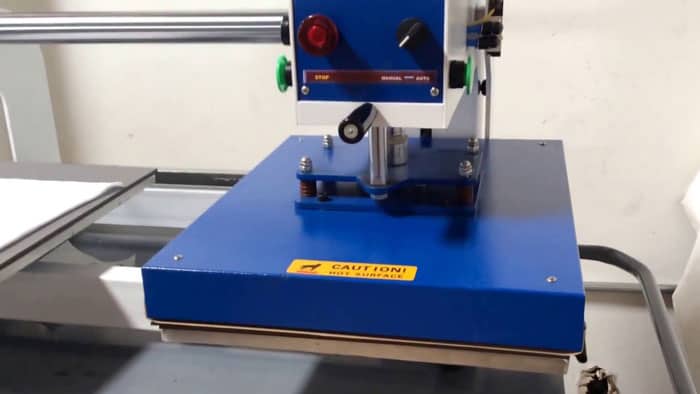
A heat press machine transfers designs onto fabric, mugs, caps, or other surfaces using heat and pressure. Think of it as a heavy-duty iron with precise digital controls. That precision is what sets it apart from a household iron — and what makes it indispensable for custom merchandise.
How It Works
The machine has two platens (flat pressing surfaces) — one heated, one not. You place your transfer between them, set the time and temperature, then close the press. Heat and pressure bond the design permanently to the surface. When you open the press and peel the backing, the transfer is done.
- Temperature range: 250°F to 450°F on most machines
- Pressure: adjustable, measured in PSI (pounds per square inch)
- Dwell time: 10–60 seconds depending on material
According to Wikipedia's entry on heat transfer printing, all three variables — heat, pressure, and dwell time — must be dialed in correctly for a clean, lasting transfer. Get any one wrong and you'll have problems.
Types of Heat Press Machines
The type of press matters as much as the price. Here are the main categories:
- Clamshell — opens vertically like a clamshell lid; compact and beginner-friendly
- Swing-away — upper platen swings to the side; safer and easier to position your material
- Draw (slide-out) — lower platen slides toward you; best for thick or bulky items
- Sublimation press — optimized for dye-sublimation paper on polyester fabric
- Mug or cap press — cylindrical or curved attachment for round surfaces
If you're wondering about pairing a press with a cutter, our guide on whether you need a vinyl cutter for heat press answers that question directly.
How Much Does a Heat Press Machine Cost? Full Breakdown
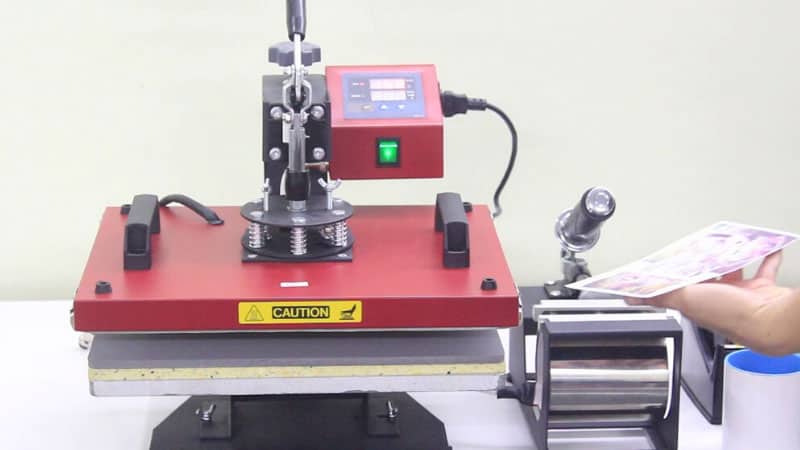
Here's the direct answer. How much does a heat press machine cost? Hobby presses start around $90. Commercial machines hit $3,500 or more. The four tiers below cover the entire market.
Price Ranges at a Glance
| Tier | Price Range | Best For | Typical Platen Size |
|---|---|---|---|
| Entry-Level | $90 – $200 | Beginners, hobby projects | 9" × 9" to 12" × 10" |
| Mid-Range | $200 – $600 | Side hustle, small batches | 12" × 10" to 15" × 15" |
| Semi-Pro | $600 – $1,200 | Growing small business | 15" × 15" to 16" × 20" |
| Professional | $1,200 – $3,500+ | Print shops, high volume | 16" × 20" and above |
Hidden Costs to Watch For
The machine price is only part of the equation. Budget for these supplies and ongoing costs:
- Heat transfer vinyl (HTV) — $10–$50 per roll
- Sublimation paper — $20–$40 per 100 sheets
- Teflon sheets — $5–$15 per pack; protects your platen and garment
- Replacement heating elements — $40–$120 when they eventually wear out
- Design software — free to $50/month (our guide on free T-shirt design apps lists the best no-cost options)
- Blank garments — $3–$15 each depending on fabric quality
Expect to spend 30–50% above the machine price just to stock up for your first few months. Factor that in before you buy.
Entry-Level vs. Professional: Which One Is Right for You?
Price alone doesn't tell the full story. Match the machine to your actual output volume and long-term goals — not just what you can afford today.

Starter Machines
An entry-level machine in the $90–$200 range is the right call if:
- You're making gifts or personal items, not selling
- You want to learn before spending big
- Your output is under 20 items per week
- You're testing a product idea before scaling up
Popular starter picks include the PowerPress 15" × 15" and the Cricut EasyPress. They're compact, easy to set up, and do solid work for basic HTV jobs.
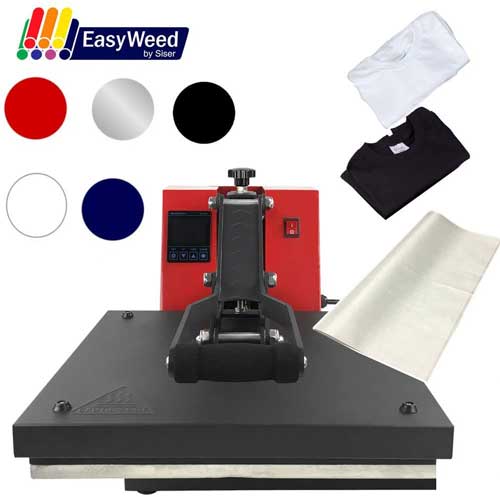
Just know: entry machines wear down fast under heavy use. If you're planning to turn your vinyl crafting into real income, plan your upgrade path from day one.
Pro-Grade Machines
Spend $1,200 or more and you get a fundamentally different machine:
- Even heat distribution with no cold spots across the full platen
- Heavy steel frames rated for thousands of presses per week
- Dual heating elements for consistent temperature
- Auto-release timers that open the press on their own
- 16" × 20" or larger platens for full-front garment designs
Brands like Hotronix, Stahls', and HIX own this tier. If you're building a specialized operation — like pressing custom socks — see our breakdown of what equipment you need for a heat press sock business.
Features That Are Worth Every Dollar
Some features make a real difference. Others exist purely to justify a higher price tag. Here's how to tell them apart.
Must-Have Features
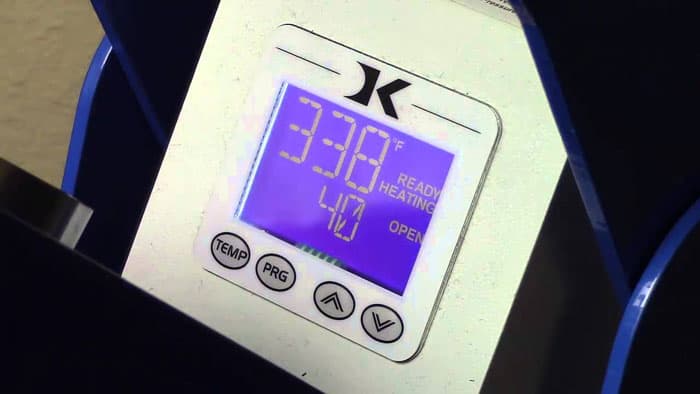
- Digital temperature display — analog dials are unreliable; digital readouts are precise
- Digital countdown timer — removes the guesswork; you press a button and walk away
- Adjustable pressure knob — different materials need different PSI; you need control over this
- Even heat distribution — always check reviews for "cold spots" before buying
- Swing-away or draw design — safer for daily use than a basic clamshell; reduces burn risk significantly
Features You Can Skip
- Bluetooth or app connectivity — adds cost with almost no real-world benefit
- Built-in design libraries — you'll use your own artwork files anyway
- Auto-open on budget machines — the mechanism on cheap presses fails within a year
- Oversized platens if you only press standard shirts — 15" × 15" handles 95% of everyday jobs
One thing that outlasts the machine itself: knowing how to care for your finished products. Our guide on how to keep graphics sharp on T-shirts covers what to do after every press job to make designs last.
When Buying a Heat Press Makes Sense (And When It Doesn't)
A heat press is a tool, not a guarantee of profit. It makes sense in specific situations. In others, you'll spend more than you earn.
Good Reasons to Buy
- You're already selling and need faster, cheaper in-house production
- You want full control over quality — outsourcing means trusting someone else's equipment
- You're doing 20+ items per week — at that volume, in-house pressing beats screen printing costs
- You want to compare all T-shirt printing methods and heat press fits your product best
- You sell at craft fairs or pop-ups and need on-demand, same-day production
Reasons to Hold Off
- You've never done custom printing — try iron-on transfers first to test demand
- You're pressing fewer than 10 items per week — outsourcing to a print shop is cheaper
- You don't have a dedicated workspace — you need a stable, heat-resistant table and ventilation
- You haven't found your niche yet — identify your market before buying equipment
If you're still exploring the broader world of vinyl crafts, our roundup of Cricut vinyl project ideas shows the range of products you can make — and might clarify whether a press fits your plans.
Common Heat Press Problems and How to Fix Them
Even a solid machine causes headaches when settings are off. These are the most common issues — and the fixes that actually work.
Transfer Quality Issues
- Design peels after washing — temperature was too low or time too short. Increase temp by 5°F and add 5 seconds to your dwell time.
- Scorched or shiny fabric — too much heat for the material. Place a Teflon sheet between the platen and garment every time.
- Uneven or patchy transfer — pressure isn't balanced across the platen. Adjust the pressure knob and run a test press on scrap fabric.
- Ghosting (faint double image) — you shifted the material when opening the press. Hold everything in place until the platen is fully open.
- Colors fading after a few washes — wrong transfer type for your fabric. HTV works on cotton and poly blends; sublimation requires 100% polyester.
Temperature and Timer Problems
- Machine won't reach the set temperature — the heating element is failing. Confirm with an independent thermometer. Replacements cost $40–$120.
- Timer doesn't start counting — most machines require the press to be fully closed before the timer activates. Check your latch and pressure setting.
- Cold spots on the platen — common in cheap machines. Rotate your garment 180° halfway through pressing as a temporary workaround.
- Machine trips your circuit breaker — heat presses draw 1,200–1,800 watts. Run yours on a dedicated 15- or 20-amp circuit, not a shared power strip.
Frequently Asked Questions
What is the cheapest heat press machine actually worth buying?
The PowerPress 15" × 15" sits at $130–$160 and consistently delivers reliable results for beginners. Machines under $90 almost always have uneven heat distribution and break down within months of regular use. Budget at least $120 to get something that lasts a full season.
Is a $200 heat press good enough for a small business?
Yes, if you're pressing under 30 items per week. A mid-range clamshell handles that workload without issue. Once you're consistently hitting 50+ items per week, move up to a swing-away in the $400–$600 range for better durability and safer daily operation.
How long does a heat press machine last?
A quality mid-range machine lasts 3–7 years with proper care. Pro machines from brands like Hotronix or Stahls' routinely run 10+ years in commercial print shops. Budget entry-level machines used daily typically fail within 12–18 months — plan for that replacement cost.
Do I need a vinyl cutter to use a heat press?
No. You can buy pre-cut heat transfer vinyl designs or use sublimation paper without any cutting equipment at all. A vinyl cutter becomes useful only when you want to create fully custom shapes and lettering from scratch. It's an add-on, not a requirement.
Next Steps
- Estimate your weekly volume honestly — use the price table above to match that number to the right budget tier before you look at a single product listing.
- Set your all-in budget by adding 40% above the machine price to cover vinyl, sublimation paper, Teflon sheets, and blank garments for your first run.
- Read at least 30 verified reviews on any machine you're considering — search specifically for the words "cold spots" and "heating element" to find real reliability data.
- Download a free design tool and practice your artwork before the machine arrives — our guide on free T-shirt design apps points you to the best no-cost options right now.
- Run 5–10 test presses on scrap fabric the day your machine arrives to calibrate temperature, pressure, and dwell time before you touch any real product.


About Alice Davis
Alice Davis is a crafts educator and DIY enthusiast based in Long Beach, California. She spent six years teaching textile design and applied arts at a community college, where she introduced students to everything from basic sewing techniques to vinyl cutting machines and heat press printing as practical, production-ready tools. That classroom experience means she has put more sewing machines, embroidery setups, Cricut systems, and heat press units through real project work than most reviewers ever will. At PalmGear, she covers sewing machines and embroidery tools, vinyl cutters, heat press gear, Cricut accessories, and T-shirt printing guides.
You can get FREE Gifts. Or latest Free phones here.
Disable Ad block to reveal all the info. Once done, hit a button below