What Are The Pros and Cons of Polyester Fabric?
by Alice Davis
Last summer, our team ran a batch of custom heat press shirts for a local charity event. Half were 100% cotton, half were polyester blends. After one wash cycle, the difference was striking — the cotton tees had already started to fade, while the polyester blends looked almost untouched. That single experiment changed how we think about fabric selection for every project.
So what are the pros and cons of polyester fabric? It's a question that matters whether someone is choosing materials for heat press and vinyl crafts, sewing garments, or simply shopping for durable everyday clothing. Polyester is the world's most-produced fiber, accounting for over half of global textile output. Yet it remains one of the most debated materials in the fabric world. In this guide, our team breaks down everything we've learned about polyester — the genuine advantages, the real drawbacks, and practical advice for getting the most out of this versatile synthetic.
Contents
- Understanding Polyester: What Makes This Fabric So Popular
- The Price Factor: Why Polyester Dominates Budget-Friendly Fabrics
- Key Advantages of Polyester Fabric
- Working with Polyester in Heat Press and Craft Projects
- The Real Drawbacks of Polyester Fabric
- Polyester in Action: Real Applications We've Tested
- Making Smart Fabric Choices for Long-Term Projects
- Frequently Asked Questions
- Next Steps
Understanding Polyester: What Makes This Fabric So Popular
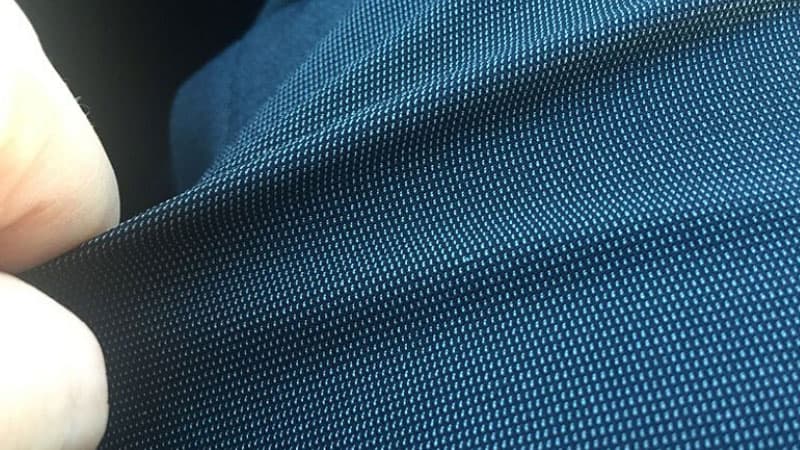
Polyester — technically polyethylene terephthalate (PET) — is a synthetic polymer derived from petroleum. It was first developed in the early 1940s and hit the consumer market in the 1950s. Since then, it has steadily overtaken cotton and other natural fibers in global production volume. Our team has worked with polyester across dozens of projects, and understanding its chemistry helps explain both its strengths and limitations.
Chemical Composition and Manufacturing
The manufacturing process involves a chemical reaction between ethylene glycol and terephthalic acid, producing long-chain polymers that are extruded into fibers. These fibers can be engineered to varying thicknesses, textures, and finishes. Key properties baked into the chemistry include:
- High tensile strength — polyester fibers resist stretching and tearing far better than most natural fibers
- Hydrophobic nature — the molecular structure repels water, which is both an advantage and a drawback
- Thermoplastic behavior — polyester softens with heat, which is critical for heat press applications
- Chemical resistance — it stands up well to most household chemicals, bleaches, and solvents
Common Types of Polyester
Not all polyester is created equal. The most common varieties our team encounters are PET polyester (standard clothing and craft fabrics), PCDT polyester (more elastic, used in heavier applications like curtains), and microfiber polyester (ultra-fine fibers for soft-touch garments). For anyone exploring what are the pros and cons of polyester fabric, knowing which type is in play matters enormously — a microfiber polyester shirt behaves nothing like a standard PET tote bag.
The Price Factor: Why Polyester Dominates Budget-Friendly Fabrics
One of the biggest reasons polyester dominates the market is simple economics. It's cheap to produce, cheap to buy, and cheap to maintain. For craft businesses and t-shirt fundraiser operations, this cost advantage can make or break a project budget.
Cost Comparison Across Fabric Types
| Fabric Type | Avg. Cost per Yard | Durability Rating | Care Difficulty | Heat Press Compatible |
|---|---|---|---|---|
| 100% Polyester | $3 – $8 | High | Easy | Yes (low temp) |
| 100% Cotton | $5 – $12 | Medium | Moderate | Yes |
| Poly-Cotton Blend (65/35) | $4 – $10 | High | Easy | Yes (low temp) |
| Linen | $10 – $25 | Medium-High | Hard | Yes |
| Silk | $15 – $50 | Low | Hard | No |
| Nylon | $4 – $10 | High | Easy | Limited |
The numbers speak for themselves. Polyester consistently lands at the bottom of the price range while matching or exceeding the durability of fabrics costing two to three times more.
Bulk Purchasing and Craft Project Savings
For bulk craft projects — think custom team jerseys, promotional tote bags, or event merchandise — polyester's price advantage compounds quickly. Our team has found that switching from cotton to polyester blends on a 200-shirt order typically saves $300 to $500. That's money better spent on quality vinyl or upgraded heat press equipment. Anyone running a heat press operation for canvas tote bags will appreciate how those margins add up over time.

Key Advantages of Polyester Fabric
Let's get specific. After years of testing, our team has identified the advantages that genuinely matter in day-to-day use and craft applications.
Durability and Wrinkle Resistance
Polyester is tough. It resists abrasion, holds its shape through repeated washing, and bounces back from wrinkles without ironing. For people who travel frequently, pack garments into tight spaces, or need low-maintenance workwear, this is a game-changer. We've tested polyester athletic shirts through 50+ wash cycles with virtually no degradation in shape or color.
The wrinkle resistance alone makes polyester the go-to for:
- Travel clothing and packing cubes
- Uniforms and event merchandise
- Outdoor furniture covers and awnings
- RV interior fabrics and curtains
Moisture Management and Colorfastness
Polyester's hydrophobic properties mean it dries fast. Seriously fast. A polyester workout shirt will dry in a fraction of the time cotton takes. This makes it ideal for athletic wear, outdoor gear, and any application where moisture is a concern.
Colorfastness is another major win. Polyester holds dye exceptionally well — sublimation printing on polyester produces vibrant, permanent colors that simply aren't achievable on natural fibers. For heat press projects, this matters. Anyone working with heat transfer paper for light vs dark fabrics already knows that fabric composition dramatically affects the final result.
Pro tip: For the most vibrant sublimation prints, our team recommends fabrics with at least 65% polyester content. Below that threshold, colors wash out noticeably after just a few cycles.
Working with Polyester in Heat Press and Craft Projects
This is where things get interesting — and where many crafters make costly mistakes. Polyester's thermoplastic nature means it responds to heat differently than cotton, and ignoring that difference ruins projects.
Heat Press Temperature Considerations
Here's the blunt truth: polyester scorches, glazes, and melts at temperatures that cotton handles without issue. Standard heat press temperatures for cotton run around 350–375°F. Polyester needs to stay below 300°F in most cases, and ideally around 270–285°F for standard HTV applications.
Our team has learned this the hard way. A few critical rules we follow now:
- Always test on a scrap piece of the exact fabric first
- Use a pressing pillow or Teflon sheet as a barrier
- Reduce both temperature AND time compared to cotton settings
- Watch for "ghosting" — dye migration that creates a halo around the design
For a deeper dive into temperature specifics, our guide on how to heat press HTV vinyl step by step covers the full process including polyester-safe settings.
Choosing the Right Vinyl for Polyester
Not every vinyl works well on polyester. Standard HTV that requires high temperatures is a poor match. Instead, look for low-temperature HTV specifically rated for synthetics. Our team has had excellent results with low-temp varieties that adhere at 270°F with 10–15 seconds of medium pressure.
The difference between glitter HTV and regular HTV also matters here — glitter varieties often need slightly higher temperatures and longer press times, which increases the risk of scorching polyester. Proceed with caution and always test first.
The Real Drawbacks of Polyester Fabric
We've talked up polyester's strengths, but honesty matters more than cheerleading. Polyester has real, significant downsides that anyone should weigh before committing to it for a project.
Breathability and Comfort Issues
Polyester traps heat. There's no sugarcoating it. The same hydrophobic properties that make it quick-drying also mean it doesn't absorb sweat — it just sits on the skin's surface. In hot, humid conditions, 100% polyester garments can feel clammy and uncomfortable.
The static cling issue is real too. Polyester generates static electricity more readily than natural fibers, especially in dry conditions. This leads to garments clinging awkwardly and attracting lint, pet hair, and dust like a magnet.
Other comfort-related drawbacks include:
- Odor retention — polyester harbors bacteria that cause persistent smells, even after washing
- Skin sensitivity — some people experience irritation from direct polyester contact
- Pilling — lower-quality polyester develops those annoying surface pills over time
- Texture — despite improvements, many polyester fabrics still feel noticeably synthetic
Worth noting: Odor retention in polyester workout gear is a widespread complaint. Our team has found that adding half a cup of white vinegar to the wash cycle significantly reduces lingering smells — it works better than extra detergent.
Environmental Concerns
This is the elephant in the room. Polyester is plastic. It's derived from petroleum, it doesn't biodegrade, and every wash cycle releases microplastic fibers into waterways. Studies estimate that a single load of polyester laundry can shed over 700,000 microplastic particles.
The environmental argument against polyester is strong and getting stronger. Recycled polyester (rPET) made from post-consumer plastic bottles helps somewhat, but it still sheds microplastics during washing. For environmentally conscious crafters, this is a legitimate reason to consider cotton or other natural alternatives — even if the performance tradeoffs are significant.

Polyester in Action: Real Applications We've Tested
Theory is fine, but real-world results tell the full story. Here are specific applications where our team has put polyester through its paces.
Custom Apparel Projects
For custom heat press apparel, polyester blends (typically 65/35 poly-cotton) have become our default recommendation. They deliver the durability and colorfastness of polyester while the cotton content adds breathability and comfort. We've pressed hundreds of designs onto these blends and the results are consistently excellent.
One project that stands out: a 150-shirt order for a local running club. We used moisture-wicking 100% polyester performance tees with sublimation printing. Six months later, the club reported that the shirts still looked brand new despite weekly use and washing. That kind of longevity simply isn't achievable on cotton.
For anyone working with dark-colored polyester, understanding how to heat press on dark shirts without fading is essential — the dye migration risk increases significantly with darker base colors.
Home and Outdoor Uses
Polyester excels outdoors. UV resistance, water resistance, and mold resistance make it the clear choice for patio furniture cushions, outdoor curtains, boat covers, and RV awnings. Our team has tested polyester outdoor cushion covers that held up through two full seasons of sun exposure with minimal fading.
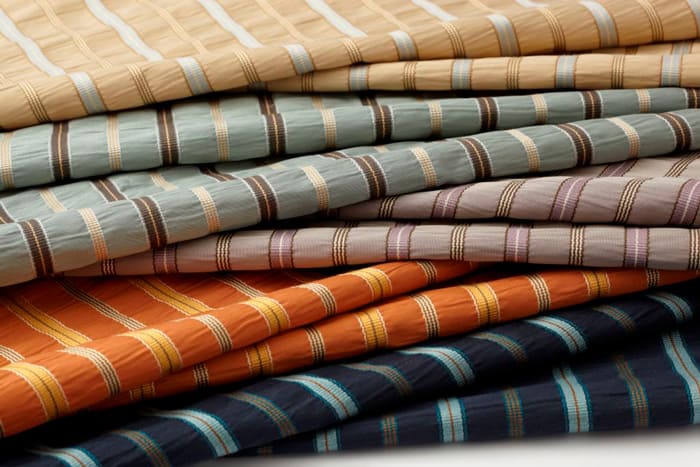
Indoor applications where polyester shines include curtains (wrinkle-free and easy to clean), bedding (affordable and durable), and upholstery for high-traffic furniture. The key insight from our testing: polyester performs best in applications where durability and easy maintenance matter more than breathability and natural feel.
Making Smart Fabric Choices for Long-Term Projects
Understanding what are the pros and cons of polyester fabric is only useful if it leads to better decisions. Here's how our team approaches fabric selection strategically.
The Case for Polyester Blends
Pure polyester and pure cotton each have significant drawbacks. Blends mitigate the worst of both. Our go-to recommendations:
- 65/35 poly-cotton — best all-around for custom apparel, t-shirts, and casual wear
- 80/20 poly-cotton — excellent for performance wear and sublimation projects
- 50/50 poly-cotton — solid middle ground for comfort-focused garments
- 100% polyester — reserved for athletic wear, outdoor applications, and sublimation-only projects
The right blend depends entirely on the end use. For heat press projects specifically, our guide on how to wash and care for heat pressed shirts covers fabric-specific care instructions that dramatically extend the life of any custom garment.
Care Practices That Extend Fabric Life
Polyester is forgiving, but proper care still matters. These practices have become standard in our workflow:
- Wash in cold or warm water — hot water can set wrinkles permanently and accelerate pilling
- Turn garments inside out before washing to protect printed surfaces
- Use liquid detergent rather than powder, which can leave residue on synthetic fibers
- Skip the fabric softener — it coats polyester fibers and reduces moisture-wicking capability
- Tumble dry on low heat or hang dry. High dryer heat is the enemy of polyester longevity
For anyone managing sewing machine maintenance, it's worth noting that polyester thread is significantly stronger than cotton thread and produces less lint in the bobbin area — one more small advantage that adds up over thousands of stitches.
Frequently Asked Questions
Is polyester safe for heat press applications?
Yes, but with important caveats. Polyester requires lower temperatures (typically 270–285°F) than cotton to avoid scorching, glazing, or dye migration. Always use a Teflon sheet or pressing pillow, and test on a scrap piece first. Low-temperature HTV vinyl is strongly recommended for polyester projects.
Does polyester shrink in the wash?
Polyester is highly resistant to shrinking under normal washing conditions. Unlike cotton, which can shrink 3–5% after the first wash, polyester maintains its dimensions reliably. However, exposing polyester to extremely high dryer heat can cause minor shrinkage and permanent wrinkling.
Why does polyester clothing smell bad after exercise?
Polyester's smooth, hydrophobic fibers provide an ideal environment for odor-causing bacteria to thrive. Unlike cotton, which absorbs and releases moisture, polyester traps bacteria on its surface. Adding white vinegar to the wash cycle or using sport-specific detergents helps combat this issue.
Is recycled polyester better for the environment?
Recycled polyester (rPET) diverts plastic bottles from landfills and uses significantly less energy to produce than virgin polyester. However, it still sheds microplastics during washing and is not biodegradable. It's a meaningful improvement, but not a complete solution to polyester's environmental footprint.
Can sublimation printing be done on polyester blends?
Sublimation works best on fabrics with at least 65% polyester content. Below that threshold, prints appear washed out because sublimation ink bonds only to polyester fibers, not cotton. For the most vibrant results, 100% polyester or white/light-colored high-poly blends are ideal.
How does polyester compare to nylon for durability?
Both are highly durable synthetics, but they excel in different areas. Polyester offers superior UV resistance, colorfastness, and wrinkle resistance. Nylon is stronger in terms of abrasion resistance and elasticity. For most apparel and craft applications, polyester is the more versatile and cost-effective choice.
Next Steps
- Audit current fabric inventory — check the labels on blank garments and craft materials already on hand. Knowing the exact polyester percentage helps determine the right heat press settings and vinyl types for each item.
- Run a test press on polyester — grab a scrap piece of polyester or poly-blend fabric and press a small design at 275°F for 12 seconds. Evaluate adhesion, color vibrancy, and any signs of scorching or dye migration before committing to a full production run.
- Switch to low-temp HTV for synthetic fabrics — if the current vinyl stock is standard HTV rated for 320°F+, invest in a roll of low-temperature vinyl specifically designed for polyester. The cost difference is minimal and the results are dramatically better.
- Add a microplastic filter to the washing routine — for anyone washing polyester garments regularly, a mesh laundry bag or in-line washing machine filter captures a significant portion of microfiber shedding and is a simple step toward reducing environmental impact.


About Alice Davis
Alice Davis is a crafts educator and DIY enthusiast based in Long Beach, California. She spent six years teaching textile design and applied arts at a community college, where she introduced students to everything from basic sewing techniques to vinyl cutting machines and heat press printing as practical, production-ready tools. That classroom experience means she has put more sewing machines, embroidery setups, Cricut systems, and heat press units through real project work than most reviewers ever will. At PalmGear, she covers sewing machines and embroidery tools, vinyl cutters, heat press gear, Cricut accessories, and T-shirt printing guides.
You can get FREE Gifts. Or latest Free phones here.
Disable Ad block to reveal all the info. Once done, hit a button below